Close Menu
    Fruit Tree Hub
    • Home
    • Apple Trees
    • Lemon Trees
    • Mango Trees
    • Orange Trees
    • More Trees
      • Best Fruit Trees
      • Apricot Trees
      • Cherry Trees
      • Fig Trees
      • Lime Trees
      • Mulberry Trees
      • Peach Trees
      • Pear Trees
      • Plum Trees
      • Pomegranate Trees
    • Tips and Advice
      • Tools
    • About Us
      • Contact
      • Privacy Policy
    Fruit Tree Hub
    Home»Tips and Advice»When Does Pomegranate Tree Produce Fruit and How to Maximize Your Harvest
    Tips and Advice

    When Does Pomegranate Tree Produce Fruit and How to Maximize Your Harvest

    Martha JacksonBy Martha JacksonDecember 30, 20247 Mins Read
    Share Facebook Twitter Pinterest WhatsApp Email
    Share
    Facebook Twitter LinkedIn Pinterest Telegram Email

    Have you ever wondered when your pomegranate tree will finally reward you with its delicious fruit? If you’ve planted one or are thinking about it, knowing its fruiting schedule can save you a lot of patience and anticipation.

    Contents show
    1 Key Takeaways
    2 Life Cycle of the Pomegranate Tree
    2.1 Germination Stage
    2.2 Growth Stage
    3 Factors Influencing Fruit Production
    3.1 Climate and Temperature
    3.2 Soil Conditions
    4 When Does Pomegranate Tree Produce Fruit?
    4.1 Typical Flowering Season
    4.2 Expected Timeframe for Fruit Development
    5 Common Issues Affecting Fruit Production
    5.1 Pest and Disease Management
    5.2 Nutrient Deficiencies
    6 Conclusion
    7 Frequently Asked Questions
    7.1 How long does it take for a pomegranate tree to bear fruit?
    7.2 When is the flowering season for pomegranate trees?
    7.3 How long does it take for pomegranates to mature after flowering?
    7.4 What conditions do pomegranate trees need for optimal growth?
    7.5 What are common pests and diseases that affect pomegranate trees?
    7.6 How can I tell when pomegranates are ripe for harvest?
    7.7 How can I improve fruit yield in my pomegranate tree?

    Key Takeaways

    • Pomegranate Tree Life Cycle: Understand the stages from seed germination to fruit-bearing maturity, typically reaching maturity in 3 to 4 years.
    • Ideal Growing Conditions: Pomegranate trees thrive in warm climates (70°F to 85°F) with well-draining soil and at least six hours of full sun daily.
    • Fruiting Timeline: Expect flowering to occur between April and June, with fruit maturing from late summer to early fall, usually 5 to 7 months after blooming.
    • Common Challenges: Be aware of pests like the pomegranate fruit borer and aphids, as well as diseases such as powdery mildew that can affect fruit production.
    • Nutritional Needs: Monitor soil for nutrient deficiencies, particularly nitrogen, potassium, and calcium, to ensure healthy fruit development. Regular soil testing is recommended.
    MUST READ
    When Do You Trim Fruit Trees in California for Healthier Growth and Better Yields

    Life Cycle of the Pomegranate Tree

    The pomegranate tree undergoes distinct stages from seed to fruit-bearing maturity. Understanding these stages helps you know when to expect your first pomegranates.

    Germination Stage

    Germination begins when you plant pomegranate seeds in well-draining soil. Maintain a temperature of 70°F to 85°F, providing moisture but avoiding waterlogging. Germination typically occurs within 4 to 6 weeks. Once seedlings appear, they need bright sunlight for healthy growth. Thin seedlings to allow sufficient space for each to develop.

    Growth Stage

    The growth stage follows germination and lasts several years. During this phase, focus on regular watering, especially in dry seasons. Fertilize your young trees with a balanced fertilizer three times a year—early spring, mid-summer, and fall. Pruning is vital to encourage bushy growth and remove dead or damaged branches. Pomegranate trees usually reach maturity at 3 to 4 years old, ready to produce flowers and, eventually, fruit.

    Factors Influencing Fruit Production

    Several factors influence when a pomegranate tree produces fruit. Understanding these aspects helps ensure a successful flowering and fruiting season.

    Recommended Products

    Rapitest Soil Test Kit for Gardens, Vegetables, Flowers and Lawns. USA designed and assembled soil tester completely, quickly and accurately measures/analyzes soil pH acidity and garden nutrients.
    Rapitest Soil Test Kit for Gardens, Vegetables, Flowers and Lawns. USA designed and assembled soil tester completely, quickly and accurately measures/analyzes soil pH acidity and garden nutrients.

    Quick, at home results for Soil pH, Nitrogen, Phosphorous and Potash Innovative and inexpensive soil test kit features an easy-to-use capsule system and patented color comparators

    VIEW LATEST PRICE

    As an affiliate, we earn on qualifying purchases.

    SONKIR Soil pH Meter, MS02 3-in-1 Soil Moisture/Light/pH Tester Gardening Tool Kits for Plant Care, Great for Garden, Lawn, Farm, Indoor & Outdoor Use (Green)
    SONKIR Soil pH Meter, MS02 3-in-1 Soil Moisture/Light/pH Tester Gardening Tool Kits for Plant Care, Great for Garden, Lawn, Farm, Indoor & Outdoor Use (Green)

    Kindly NOTE: This soil tester can not be applied to test pH value of any other liquid. If the soil is too dry the indicator will not move, and water it before testing.

    MUST READ
    What is the Best Manure for Fruit Trees to Maximize Growth and Fruit Production
    VIEW LATEST PRICE

    As an affiliate, we earn on qualifying purchases.

    MySoil Soil Test Kit, Unlock Your Lawn & Garden Potential, Complete & Accurate Nutrient and pH Analysis with Recommendations Tailored to Your Soil and Plant Needs
    MySoil Soil Test Kit, Unlock Your Lawn & Garden Potential, Complete & Accurate Nutrient and pH Analysis with Recommendations Tailored to Your Soil and Plant Needs

    KNOW BEFORE YOU GROW | Grow the healthiest, sustainable lawn and garden with the most accurate and easy to use professional soil test kit on the market

    VIEW LATEST PRICE

    As an affiliate, we earn on qualifying purchases.

    Climate and Temperature

    Pomegranate trees thrive in warm climates. They prefer temperatures between 70°F and 85°F (21°C to 29°C) during the growing season. In regions with cold winters, trees can withstand temperatures down to 10°F (-12°C) but may require protection. Humidity levels should remain low, as excessive moisture can lead to fungal diseases. For optimal fruit production, ensure your tree receives full sun for at least six hours daily.

    Soil Conditions

    Soil conditions significantly affect fruit production. Pomegranate trees prefer well-draining soil with a pH level between 5.5 and 7.0. Sandy or loamy soils work best, as they promote good drainage and root growth. If your soil has heavy clay, consider adding organic matter to improve its structure. Regular soil testing can help you monitor nutrient levels, allowing for appropriate fertilization to support healthy growth and fruit yield.

    When Does Pomegranate Tree Produce Fruit?

    Pomegranate trees start producing fruit a few years after planting. Understanding their fruiting timeline helps you manage expectations.

    Typical Flowering Season

    Pomegranate trees typically bloom in the late spring, generally between April and June. Flowers form before fruit appears. Flowers are bright red and attract pollinators like bees and hummingbirds. It’s essential to ensure your tree receives adequate sunlight during this time, as full sun exposure boosts flower production.

    MUST READ
    How Do I Plant Fruit Trees for a Bountiful Backyard Harvest

    Expected Timeframe for Fruit Development

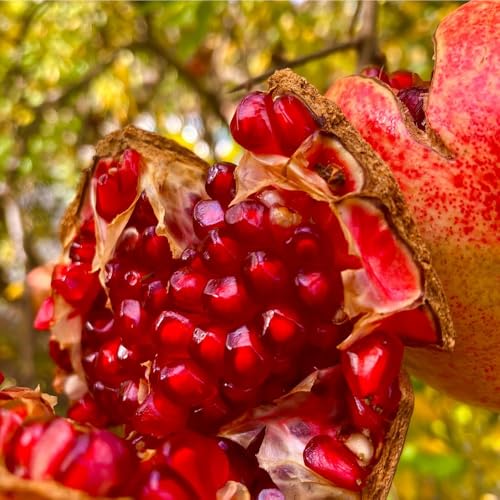
    Once flowers bloom, you can expect fruit to develop over the course of 6 to 7 months. Fruit usually matures from late summer to early fall, specifically between August and October. The average time from flowering to harvesting is around 5 to 7 months. Be vigilant during this period, as the size and color of the fruit indicate ripeness. Mature fruit typically displays a deep red color and should feel firm to the touch. Regular observation allows you to enjoy the fruits of your labor at the right time.

    Common Issues Affecting Fruit Production

    Several challenges can impact the fruit production of pomegranate trees. Understanding these issues helps you take appropriate actions to ensure a bountiful harvest.

    Recommended Products

    Organic Pomegranate Juice Powder, 1 Pound | 100% Natural Fruit Powder | Freeze Dried & Cold Pressed | No Sugar & Additives | Great Flavor for Drinks, Smoothie, & Beverages | Non-GMO & Vegan Friendly
    Organic Pomegranate Juice Powder, 1 Pound | 100% Natural Fruit Powder | Freeze Dried & Cold Pressed | No Sugar & Additives | Great Flavor for Drinks, Smoothie, & Beverages | Non-GMO & Vegan Friendly

    USDA Organic Pomegranate Juice Powder, 1 lb supply, non-GMO and vegan friendly fresh pomegranates source.

    VIEW LATEST PRICE

    As an affiliate, we earn on qualifying purchases.

    Organic Pomegranate Powder 1.1 Lb (52 Servings) for Smoothies & Baking
    Organic Pomegranate Powder 1.1 Lb (52 Servings) for Smoothies & Baking

    Antioxidant Superfood -Sweet Tangy Flavor Loved by All: Pure pomegranate powder with a naturally sweet, citrusy-tart taste -enjoy straight by the spoonful. Use a milk frother for smoothest mix. Dissolves in hot or cold liquids -no grittiness, no residue. Rich natural deep-red color. 9.5g per serving -one level teaspoon daily. Mess-free and convenient.

    VIEW LATEST PRICE

    As an affiliate, we earn on qualifying purchases.

    Zazzee USDA Organic Pomegranate 20:1 Extract, 50% Ellagic Acid 100 Capsules
    Zazzee USDA Organic Pomegranate 20:1 Extract, 50% Ellagic Acid 100 Capsules

    OUTSTANDING VALUE / 3+ MONTH SUPPLY: Our Organic Pomegranate Extract contains 100 capsules per bottle, is made from a potent 20:1 extract AND is certified USDA Organic – an amazing value! Compare this to other leading brands that are not organic, contain less than 100 capsules, use a much less potent, non-extract powder, and do not contain 50% Ellagic Acid. Our Extra Strength Pomegranate Extract is a bargain not be found elsewhere!

    MUST READ
    How to Keep Squirrels Off Fruit Trees with Effective Deterrents and Tips for Gardeners
    VIEW LATEST PRICE

    As an affiliate, we earn on qualifying purchases.

    Pest and Disease Management

    Pomegranates face various pests and diseases that can hinder fruit growth. Common pests include:

    • Pomegranate fruit borer: This caterpillar tunnels into the fruit, causing decay. Inspect fruits regularly and use organic insecticides for control.
    • Aphids: These tiny insects feed on new growth, weakening the tree. Introduce natural predators, like ladybugs, or spray a strong jet of water to dislodge them.

    Diseases such as powdery mildew and root rot also plague pomegranate trees. To manage these, ensure good air circulation and avoid overwatering. Applying fungicides can reduce disease spread, and planting resistant varieties can help too.

    Nutrient Deficiencies

    Nutrient deficiencies can significantly affect fruit production. Focus on the following nutrients:

    • Nitrogen: Essential for leaf growth, lack of nitrogen leads to poor fruit formation. Apply a balanced fertilizer rich in nitrogen in early spring.
    • Potassium: This nutrient supports fruit development. Symptoms of deficiency include small, poorly formed fruit. Use a potassium-rich fertilizer during the growing season.
    • Calcium: Critical for fruit structure, inadequate calcium can cause blossom end rot. Incorporate lime into the soil to improve calcium levels.

    Regular soil testing ensures you identify deficiencies early, allowing you to amend soils effectively and promote healthy fruit production.

    Conclusion

    Growing a pomegranate tree can be a rewarding experience when you know what to expect. With proper care and a little patience you’ll enjoy the beauty of its flowers and the satisfaction of harvesting delicious fruit. Remember to pay attention to the climate and soil conditions to ensure your tree thrives.

    MUST READ
    What Are Bare Root Fruit Trees and How to Successfully Grow Them in Your Garden

    As you wait for your pomegranate tree to mature and bear fruit don’t forget to monitor its growth and health. Regular checks will help you catch any issues early on. Soon enough you’ll be able to savor the sweet rewards of your efforts. Happy gardening!

    Frequently Asked Questions

    How long does it take for a pomegranate tree to bear fruit?

    Pomegranate trees typically start yielding fruit 3 to 4 years after planting. The exact timing may vary based on growing conditions and care.

    When is the flowering season for pomegranate trees?

    Pomegranate trees usually bloom in late spring, between April and June, showcasing vibrant red flowers that attract pollinators.

    How long does it take for pomegranates to mature after flowering?

    After flowering, pomegranates take about 6 to 7 months to mature. The fruit is typically ready for harvest from late summer to early fall, around August to October.

    What conditions do pomegranate trees need for optimal growth?

    Pomegranate trees thrive in warm climates with temperatures between 70°F and 85°F (21°C to 29°C), full sun exposure, and well-draining soil with a pH of 5.5 to 7.0.

    What are common pests and diseases that affect pomegranate trees?

    Common issues include pests like the pomegranate fruit borer and aphids and diseases such as powdery mildew and root rot. Regular monitoring and care can help manage these problems.

    How can I tell when pomegranates are ripe for harvest?

    Mature pomegranates have a deep red color and feel firm to the touch. Regular observation of the fruit’s size and color can help determine ripeness.

    How can I improve fruit yield in my pomegranate tree?

    To enhance fruit yield, ensure proper watering, fertilizing, soil testing, and pest management. Pay attention to nutrient levels, especially nitrogen, potassium, and calcium.

    Share. Facebook Twitter Pinterest LinkedIn Tumblr Email
    martha jackson
    Martha Jackson

      Martha Jackson is an accomplished freelance writer and editor with a strong interest in gardening. With a degree in English from the University of California, Berkeley, Martha has over 15 years of experience writing for a variety of publications. She is passionate about making gardening accessible to all and is always seeking out new techniques and innovations.

      Related Posts

      How Long Until Avocado Trees Bear Fruit and Tips for Faster Growth at Home

      February 20, 2025

      What Yellow Fruit Grows on Trees and Their Delicious Health Benefits

      February 20, 2025

      How to Air Layer Fruit Trees: A Step-by-Step Guide for Successful Propagation

      February 20, 2025

      When Do Grapefruit Trees Produce Fruit and How to Maximize Your Harvest

      February 20, 2025

      What Is a Fast Growing Fruit Tree: Discover Quick-Yield Options for Your Garden

      February 20, 2025

      Do Cherry Blossom Trees Have Fruit? Discover the Truth About Their Edibility and Benefits

      February 20, 2025
      Leave A Reply Cancel Reply

      Affiliate Disclosure

      As an Amazon Associate I earn from qualifying purchases.

      Recommended Reading

      Growing Almond Trees in Kansas City, MO: Regional Success

      Can Grapefruit Trees Grow in Charlotte, NC? Piedmont Tips

      How to Grow Jujube Trees in Fresno, CA: Central Valley Advice

      Kiwi Plants Care Guide: Tips for Nurturing, Protecting, and Harvesting

      Growing Papaya Trees in Kansas (Wind and Heat Resilience)

      What is Chill Hours for Fruit Trees and Why They Matter for Healthy Growth

      What is a Fruit Tree Specialist Called and How They Enhance Your Orchard’s Health

      Ultimate Guide: How to Care for a Tangerine Tree for Healthy Fruit Yield

      Can You Grow Kiwi from Seeds: A Comprehensive Guide from Planting to Harvesting

      When Is the Best Time to Buy Fruit Trees for a Thriving Garden and bountiful Harvest

      Fruit Tree Hub

      Fruit Tree Hub is a website dedicated to providing you everything you need to grow fruit trees successfully at in your own yard.

      Contact us at: [email protected]

      - AFFILIATE DISCLOSURE: As an Amazon Associate I earn from qualifying purchases.

      Latest Posts

      Can Olive Trees Grow in New Jersey? Garden State Growth Tips

      Can Star Fruit Trees Grow in Missouri? Expert Variety Guide

      How to Grow Jujube Trees in Las Vegas, NV: Desert Growth

      Mango Trees in Illinois: Indoor and Greenhouse Growth Secrets

      Growing Papaya Trees in Oklahoma: High Heat Resilience

      Tamarind Trees in a Pot in Ohio (Complete Maintenance Manual)

      Can Fig Trees Grow in Long Beach, CA? Coastal Salt Tips

      Plum Trees in District of Columbia (Urban Microclimate Tips)

      Categories
      • Almond Trees
      • Apple Trees
      • Apricot Trees
      • Best Fruit Trees
      • Blackberry
      • Cantaloupe
      • Cherry Trees
      • Crochet Ideas
      • Crochet Ideas for Beginners
      • Cucamelon
      • Easy Crochet Ideas
      • Easy Knitting Projects
      • Fig Trees
      • Grapefruit Trees
      • Grapes
      • Guava Trees
      • Honeydew
      • Jujube Trees
      • Kiwi
      • Knitting For Beginners
      • Knitting Ideas
      • Knitting Inspiration
      • Lemon Trees
      • Lime Trees
      • Loquat Trees
      • Mango Trees
      • Mulberry Trees
      • Nectarine Trees
      • Olive Trees
      • Orange Trees
      • Papaya Trees
      • Peach Trees
      • Pear Trees
      • Persimmon Trees
      • Planting
      • Plum Trees
      • Pomegranate Trees
      • Quince Trees
      • Raspberry
      • Reviews
      • Small Crochet Ideas
      • Star Fruit Trees
      • Summer Crochet Ideas
      • Tamarind Trees
      • Tangerine Trees
      • Tips and Advice
      • Tools
      • Uncategorized
      • Walnut Trees
      © 2026 Fruit Tree Hub
      • Home
      • About Us
      • Contact
      • Privacy Policy
      • Terms and Conditions
      • Disclaimer
      • Editorial Policy
      • Affiliate Disclosure

      Type above and press Enter to search. Press Esc to cancel.