

Have you ever wondered how long it takes for an apple tree to start producing those delicious fruits? If you’re thinking about planting one in your yard, you’re not alone. Many people dream of enjoying fresh apples from their own trees, but the waiting game can be a bit frustrating.
Key Takeaways
- Variety Matters: Different apple tree varieties have varying timeframes for fruit production; dwarf varieties may bear fruit in 2-3 years, while standard types typically take 4-6 years or longer.
- Optimal Growing Conditions: Soil quality, sunlight exposure, watering, and fertilization are crucial for healthy growth and quicker fruiting.
- Proper Care Techniques: Consistent attention to soil health, adequate watering, and strategic pruning can significantly enhance fruit production and tree health.
- Signs of Fruiting: Look for flowering, pollination activity, fruitlet formation, and robust leaf growth as indicators that your apple tree may soon bear fruit.
- Patience is Key: Expect a waiting period before enjoying your homegrown apples, particularly with standard apple varieties. Regular monitoring and care improve your chances of a fruitful harvest.
Factors Affecting Fruit Bearing
Several factors influence how quickly an apple tree begins to bear fruit. Understanding these elements can help you make informed choices when planting and caring for your tree.
Recommended Products

4 FRUIT VARIETIES – 100 SEEDS TOTAL: Includes 30 Apple Seeds, 30 Lemon Seeds, 30 Cherry Seeds, and 10 Banana Seeds, individually separated by variety for an exciting fruit-growing collection.


🌳 3-Pack Fruit Tree Bundle Includes live apple, blueberry, blackberry trees—perfectly paired for a diverse and productive backyard orchard.
Variety of Apple Tree
Different apple tree varieties develop at varying rates. For instance, some dwarf varieties may produce fruit within 2 to 3 years, while standard trees might take 4 to 6 years or longer. Popular varieties, like Honeycrisp and Fuji, often bear fruit earlier than others. Choosing the right variety for your climate and space can significantly impact your waiting time.
Growing Conditions
Growing conditions play a crucial role in fruit production. Key factors include:
- Soil Quality: Well-draining, nutrient-rich soil stimulates healthy growth. Conduct a soil test and amend it as needed.
- Sunlight: Apple trees thrive in full sun, needing at least 6 to 8 hours per day. Ensure your tree gets enough light to encourage fruiting.
- Watering: Consistent watering helps development. Aim for deep, infrequent watering to promote strong root systems.
- Fertilization: Use a balanced fertilizer in spring to provide essential nutrients that boost growth and fruiting potential.
By addressing these growing conditions, you can create an optimal environment for your apple tree to thrive and produce fruit in a shorter timeframe.
Average Timeframe for Apple Trees
Apple trees require patience before producing fruit. Depending on the variety, the time it takes for an apple tree to bear fruit varies.
Standard Apple Varieties
Standard apple varieties typically bear fruit within 4 to 6 years. Varieties like ‘Honeycrisp’ and ‘Fuji’ are popular choices among growers. These trees grow taller and may provide a larger harvest but take longer to mature. Expecting apples from these trees means planning for a longer wait, so understanding your growing conditions and tree needs becomes essential.
Dwarf Apple Varieties
Dwarf apple varieties bear fruit much sooner than standard ones. Many dwarf varieties produce fruit within just 2 to 3 years. Examples include ‘Gala’ and ‘Granny Smith.’ These compact trees fit well in smaller spaces, making them ideal for home gardeners. You’ll enjoy quicker access to fresh apples while also managing a tree that’s easy to maintain.
Care and Maintenance
Caring for your apple tree involves consistent attention to soil, water, and pruning. Proper care ensures a healthier tree and can accelerate fruit production.
Recommended Products

Sharp Mn Steel Blade for Fast & Clean Cuts: This pole saw uses a sharp three-sided edge with a double-sided barb design to grip branches securely and cut smoothly from multiple angles. The Mn steel blade is durable, rust-resistant, and lightweight, delivering fast, clean cuts. This is a manual pole saw with detachable pole sections for adjustable reach, not pruner, not a telescoping pole; it is neither electric nor battery-powered.
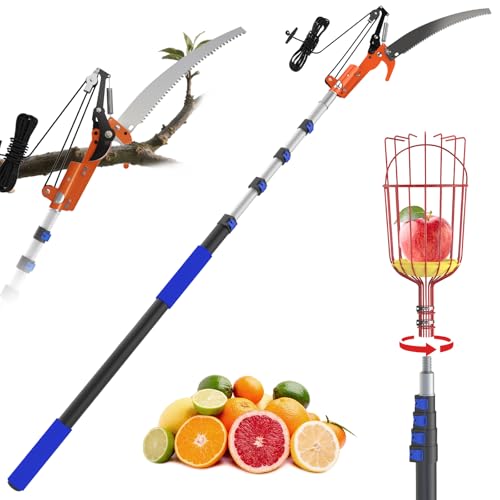
2-in-1 Extendable Tree Pruner & Pole Saw - This pole saws for tree trimming combines a 13.8" sharp steel blade and scissors for all your tree trimming needs. The manual pole saw features sharpened teeth made of high-quality carbon steel, delivering high cutting power while being lightweight. A non-stick coating ensures smooth, efficient branch trimming, saving you time and effort. Perfect for cutting trees, bamboo, PVC pipes, and more.

High Cutting Power for 6–7 Inch Branches with SK-5 Steel Blade——SK-5 steel blade with aggressive 7 TPI staggered teeth delivers strong cutting performance for green wood, branches, and general yard work, allowing efficient cutting of branches up to 6–7 inch diameter, making it highly effective for camping, survival, bushcraft, and landscaping tasks where fast and controlled wood cutting is required.
Soil and Water Requirements
Soil quality directly influences your apple tree’s growth. Aim for well-draining soil rich in organic matter. A pH level between 6.0 and 7.0 works best. Test your soil if unsure.
Watering is crucial, especially in the tree’s early years. Newly planted trees require about 1 to 2 inches of water per week. Once established, apple trees typically need less frequent watering. However, during dry spells, keep the root zone moist. Drip irrigation offers an effective solution for consistent moisture.
Pruning Techniques
Pruning plays a vital role in the health and productivity of your apple tree. Start pruning in late winter or early spring before new growth begins. Focus on removing dead or damaged branches as well as any that cross each other. This promotes better air circulation and sunlight penetration.
For young trees, aim for a central leader system, keeping the top dominant while encouraging lateral branches. On mature trees, thin out crowded branches to improve fruit quality and reduce disease risk. Aim to remove about 20% of the old growth each season.
These care practices create a solid foundation for your apple tree, leading to fruitful results.
Signs of Fruiting
Identifying when your apple tree starts to bear fruit involves observing specific signs. These indicators show that your efforts in planting and caring for the tree are paying off.
- Flower Development
You’ll notice flowers appearing on the tree in spring. Apple trees typically bloom in April or May, depending on the variety and climate. Healthy flowers indicate that the tree is mature enough to produce fruit. - Pollination Activity
You may see bees and other pollinators visiting the flowers. Successful pollination is essential for fruit set. If you spot plenty of bees, your apple tree’s chances of producing fruit increase. - Small Fruit Formation
After pollination, small green fruit, also known as ‘fruitlet,’ may begin to form. These tiny apples appear shortly after flowering. Their presence shows that your tree is capable of producing fruit. - Leaf Growth
You’ll see robust leaf growth in early summer. Healthy leaves support photosynthesis, which provides energy for fruit development. Look for thick, green foliage, as it often correlates with fruitful outcomes. - Tree Size and Structure
You should consider the overall size and health of the tree. A tree that has developed a strong trunk and a balanced canopy indicates good conditions for fruit production. A well-structured tree is often more productive than a poorly shaped one.
Monitoring these signs helps you anticipate when your apple tree might start bearing fruit. Proper care, attention to these indicators, and patience lead to the rewarding experience of harvesting your apples.
Recommended Products

【Effortless Fruit Harvesting】This fruit picker pole fruit picker tool fruit picking tool features a long reach detachable pole design, allowing you to pick apple, avocado, apricot, acorn, mango, orange, peach, pear and more safely from tall trees without using ladders.

▲【Large Fruit Picker Basket】Our orange picker pole comes with metal twist on basket( 9"x5.5"x5.5") for apple, pear, orange, avocado, peach, pecan, pomegranate, lime, papaya, plum, mango tree and persimmon tree picker in four seasons.

Long Telescoping Reach: With 5-20FT telescopic extension pole (26FT reach), this fruit picker pole with basket telescoping allows you to reach fruits on tall trees effortlessly, acting as a reliable fruit tree picker tool. Whether you use it as an apple picker or an orange picker, it ensures a safe and efficient picking experience without the need for a ladder.
Conclusion
Growing your own apple tree can be an exciting journey filled with anticipation. While the wait for those delicious apples might feel long it’s all part of the process. Choosing the right variety and providing the proper care can make a big difference in how soon you’ll see fruit.
Remember to keep an eye on your tree’s growth and the signs of fruit production. With patience and dedication you’ll soon be rewarded with a bountiful harvest. Enjoy the experience of nurturing your tree and the sweet taste of your homegrown apples when they finally arrive. Happy gardening!
Frequently Asked Questions
How long does it take for an apple tree to bear fruit?
Typically, apple trees take around 4 to 6 years to start producing fruit. Dwarf varieties can bear fruit sooner, within 2 to 3 years, making them a good choice for home gardeners.
What factors influence how quickly an apple tree produces fruit?
Factors include the tree variety, growing conditions like soil quality, sunlight, watering, and fertilization. Proper care and selection suitable for your climate are crucial for faster fruit production.
What are some quick-bearing apple tree varieties?
Dwarf varieties such as ‘Gala’ and ‘Granny Smith’ yield fruit in about 2 to 3 years. These are ideal for those with limited space who want quicker results.
What care do young apple trees need?
Young apple trees require consistent watering (1 to 2 inches per week), proper soil quality, and regular pruning. These practices ensure strong growth and readiness for fruit production.
How can I tell when my apple tree is ready to bear fruit?
Look for blooming flowers in spring, signs of pollination like bees, and the formation of small green fruit. Healthy leaf growth and a strong trunk indicate the tree’s readiness.
Why is pollination important for apple trees?
Pollination is essential for successful fruit set. The presence of bees and other pollinators ensures that flowers are fertilized, which leads to the development of fruit.
