

Have you ever dreamed of picking a sweet, juicy honeydew melon from your own garden? Picture this: the sun-kissed fruit perfectly ripened and ready to enjoy. If you’ve been curious about how to grow your very own honeydew melons but don’t know where to start, you’re in the right place.
Imagine being able to step outside and harvest fresh honeydew melons that you nurtured from tiny seeds. In this article, we’ll guide you through the simple steps needed to cultivate these delicious fruits in your backyard. From selecting the right variety to providing proper care, we’ve got you covered.
Key Takeaways
- Choosing the Right Varieties: Select honeydew melon varieties based on climate compatibility and disease resistance for a successful harvest.
- Preparing the Soil: Ensure well-draining soil with pH levels between 6.0 and 6.5 by adding organic matter like compost before planting.
- Planting Techniques: Plant seeds after frost, space them adequately, and consider direct sowing or transplanting methods for optimal growth.
- Caring for Plants: Water deeply but avoid waterlogging, fertilize with balanced nutrients, and incorporate organic matter for healthy growth.
- Pests and Disease Management: Be aware of common pests like aphids and spider mites; control organically to protect your honeydew melon crop.
- Harvesting Tips: Look for signs of maturity such as color change, skin texture, fragrance, and tendril drying to pick ripe honeydew melons at the right time.
Choosing the Right Varieties of Honeydew Melon
When selecting the varieties of honeydew melon to grow in your garden, it’s essential to consider factors like climate compatibility and disease resistance. By choosing the right types, you increase your chances of a successful harvest. Here are some key points to keep in mind:
Recommended Products

Beautiful - Large individual packet of Green Honeydew Melon (Cucumis melo) seeds. Grow an abundant harvest of sweet melons. Each plant grows vigorously and produces 2-4 melons. Minimum of 1.5g per packet (about 50 seeds).

Get 10 seeds of the Highly Prized Kajari Melon.

Orange Flesh Honeydew Melon (Cucumis melo), produces smooth, cream-colored, nearly round 5-6 pound fruits. The light orange flesh delivers a sweet, rich flavor combining the juiciness of honeydew with the sweetness and texture of cantaloupe.
Consider Climate Compatibility
To ensure optimal growth, choose honeydew melon varieties that thrive in your specific climate. Some melons prefer warmer temperatures, while others can withstand cooler conditions. Research which types are best suited for your region to maximize their growth potential.
Assess Disease Resistance
Select honeydew melon varieties known for their resistance to common diseases. By choosing resistant strains, you can reduce the risk of plant infections and ensure a healthier crop. Look for information on disease-resistant varieties when deciding which honeydew melons to cultivate in your garden.
By paying attention to climate compatibility and disease resistance when choosing honeydew melon varieties, you set yourself up for a successful growing experience. Make informed decisions based on these factors to enjoy a bountiful harvest of delicious homegrown melons.
Preparing the Soil for Honeydew Melon
To ensure successful growth of your honeydew melons, it’s essential to prepare the soil properly. Here are some key steps to get your soil ready for planting:
Soil Composition and pH Levels
When preparing the soil for honeydew melon, aim for well-draining soil with a pH level between 6.0 and 6.5. This slightly acidic environment is ideal for the healthy development of honeydew melons. Test your soil using a pH meter or kit to make any necessary adjustments before planting.
Adding Organic Matter
Incorporating organic matter like compost or well-rotted manure into the soil can improve its structure and fertility. Mix in organic matter before planting to provide essential nutrients and promote good drainage, which is crucial for preventing waterlogged conditions that can harm honeydew plants.
By following these simple steps to prepare your soil adequately, you’ll create an optimal growing environment for your honeydew melons, setting the stage for a bountiful harvest later on.
Planting Honeydew Melon Seeds
When planting honeydew melon seeds, timing and spacing are crucial for optimal growth. Here’s how to ensure your honeydew melons thrive:
Timing and Spacing for Optimal Growth
Plant honeydew melon seeds in the garden after all danger of frost has passed. The soil temperature should be around 70°F (21°C) for successful germination. Space the seeds or seedlings about 3 feet (0.9 meters) apart in rows that are 5-6 feet (1.5-1.8 meters) apart to allow ample room for growth.
Techniques for Direct Sowing and Transplanting
For direct sowing, plant the seeds 1 inch deep in well-draining soil enriched with compost. Ensure the soil remains consistently moist but not waterlogged until germination occurs.
If transplanting seedlings, start them indoors about 3-4 weeks before the last frost date in your area. Once they have developed a few true leaves, transplant them into prepared garden beds following the same spacing recommendations as direct-sown seeds.
By following these techniques for planting honeydew melon seeds, you’ll set a strong foundation for healthy growth and bountiful harvests in your garden.
Caring for Honeydew Melon Plants
Taking care of your honeydew melon plants is crucial to ensure a successful harvest. Here’s how you can provide the best care for your growing melons:
Recommended Products

🍈 DESIGNED EXCLUSIVELY FOR MELON PLANTS – Gardenera LIQUID POWER Melon Fertilizer is crafted to support vigorous vine growth, flower production, and consistent fruit setting for all melon types including cantaloupe, honeydew, galia, and more. Promotes plump, aromatic, and flavor-packed melons with high Brix levels.

Helps Promote Vine Growth & Fruit Development – Supports strong vines and balanced fruiting.
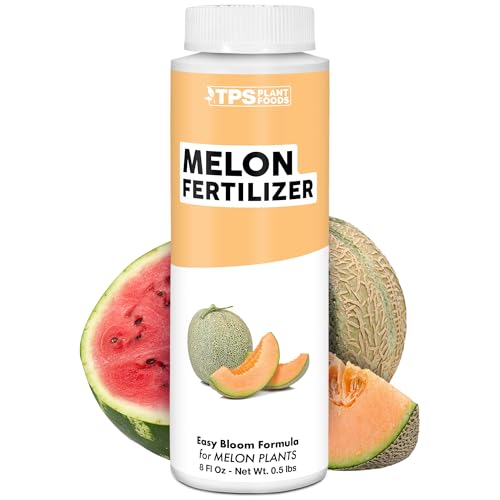
Helps Promote Vine Growth & Fruit Development – Supports strong vines and balanced fruiting.
Watering Requirements
Watering your honeydew melon plants adequately is essential for their growth and fruit development. Here are some tips to help you meet their watering needs:
- Consistent Moisture: Ensure that the soil remains consistently moist but not waterlogged. Water deeply, allowing the top few inches of soil to dry out slightly between watering sessions.
- Morning Watering: It’s best to water your honeydew melons in the morning to allow excess moisture on the leaves to evaporate during the day, reducing the risk of fungal diseases.
Fertilization and Nutrient Needs
Providing proper fertilization and nutrients is key to supporting healthy growth and abundant fruit production in your honeydew melon plants. Consider the following guidelines:
- Balanced Fertilizer: Use a balanced fertilizer with equal parts nitrogen, phosphorus, and potassium (N-P-K) or a fertilizer specifically formulated for melon plants.
- Application Timing: Begin fertilizing when the vines start spreading out and continue every 3-4 weeks throughout the growing season.
- Organic Matter: Incorporate organic matter such as compost or well-aged manure into the soil before planting to enrich it with essential nutrients.
By following these watering and fertilization practices diligently, you’ll provide your honeydew melon plants with optimal conditions for robust growth, ensuring a rewarding harvest of delicious, homegrown melons.
Pests and Disease Management
When growing honeydew melons, it’s essential to be aware of potential pests and diseases that can affect your plants. Here are some tips on managing these issues effectively:
Recommended Products

3-in-1 FORMULA: Aphid spray for outdoor plants for use on roses, flowers, shrubs and trees to control listed insects, disease and mites
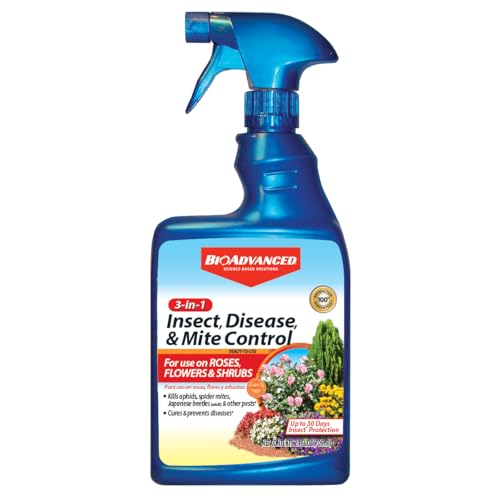
INSECT KILLER: Army worm killer. Also kills insects such as Aphids, Spider Mites, Japanese Beetles, Caterpillars, and other listed insects

3-IN-1 PLANT CARE: 3-In-1 Insect, Disease & Mite Control is insect control, disease control, and plant mite control all in one; Systemic protection lasts up to 30 days
Common Pests and Organic Control Methods
- Aphids: These small insects feed on plant sap, causing leaves to curl and distort. To control aphids organically, you can introduce natural predators like ladybugs or use insecticidal soap.
- Spider Mites: These tiny pests suck the juices from leaves, leading to stippling and webbing. Regularly spraying the plants with water can help deter spider mites.
- Powdery Mildew: A fungal disease that appears as white powdery spots on leaves, affecting plant growth. To treat powdery mildew, remove affected leaves and improve air circulation around the plants.
- Fusarium Wilt: This soil-borne fungus causes wilting of the plant, yellowing leaves, and stunted growth. Avoid overwatering to prevent Fusarium wilt in honeydew melon plants.
By staying vigilant for signs of pests and diseases while following these organic management methods, you can protect your honeydew melon crop and ensure a successful harvest.
Harvesting Honeydew Melons
When it comes to harvesting honeydew melons, you want to ensure they are picked at the right time for optimal flavor and sweetness. Here are some essential steps to follow:
Signs of Maturity
- Color Change: Look for a creamy yellow color on the underside of the melon, which indicates ripeness.
- Skin Texture: The skin should have a slightly waxy feel when gently pressed, signaling readiness for harvest.
- Fragrance: A sweet aroma near the stem end suggests that the honeydew is mature and ready to be picked.
- Drying Tendril: Check if the curly tendril closest to the fruit has turned brown and dried up; this is another indicator of maturity.
- Use Pruning Shears: To avoid damaging the vine or other fruits, cut the honeydew melon from its stem using sharp pruning shears.
- Leave Stem Intact: Leave a short section of stem attached to the fruit; this can help prolong shelf life and maintain freshness.
- Handle with Care: Handle harvested melons gently to prevent bruising or puncturing, which can lead to spoilage.
- Timing Matters: Harvest honeydew melons in the morning when temperatures are cooler for better fruit quality.
Conclusion
Growing honeydew melons can be a rewarding and fruitful experience for any home gardener. By following the guidelines outlined in this article, you can create an optimal environment for your honeydew plants to thrive. From choosing the right variety to implementing proper planting and harvesting techniques, each step plays a crucial role in ensuring a bountiful harvest of sweet and juicy melons. Remember to pay attention to the needs of your plants, including soil quality, pest management, and disease prevention. With care and dedication, you’ll soon be enjoying the taste of freshly picked honeydew melons straight from your own garden. Happy gardening!
Frequently Asked Questions
Q: What are the key factors to consider when selecting a honeydew melon variety?
A: Choose climate-compatible and disease-resistant varieties for optimal growth.
Q: How should I prepare the soil for planting honeydew melons?
A: Ensure well-draining soil rich in organic matter for healthy root development.
Q: What are some effective organic pest management strategies for honeydew melons?
A: Control aphids and spider mites with neem oil or insecticidal soap solutions.
Q: How can I identify signs of powdery mildew or Fusarium wilt in my honeydew plants?
A: Look out for white powdery spots on leaves and wilting plants as indicators of diseases.
Q: When is the right time to harvest honeydew melons?
A: Harvest when fruits have a sweet aroma, creamy yellow color, and easily detach from the vine.
Q: What tools should I use to harvest honeydew melons properly?
A: Use sharp pruning shears to cut the fruit, leaving a section of stem attached.
Q: How should I handle harvested honeydew melons to prevent spoilage?
A: Gently place them in a cool, dry place away from direct sunlight to maintain freshness.
