

Have you ever wondered which fruit trees thrive in sandy soil? If you live in an area with sandy terrain, you might feel limited in your gardening options. But don’t worry—there are plenty of delicious fruit trees that can flourish in these conditions.
This article will guide you through the best fruit trees to grow in sandy soil, helping you make the most of your garden space. You’ll discover not only the types of trees that will thrive but also tips for nurturing them. By the end, you’ll be ready to plant and enjoy a fruitful harvest right from your own backyard.
Key Takeaways
- Understanding Sandy Soil: Sandy soil offers excellent drainage and aeration, promoting healthy root growth but requires regular nutrient amendments and moisture retention strategies.
- Benefits for Fruit Trees: Trees planted in sandy soil benefit from reduced risk of root rot and improved oxygen flow, leading to stronger roots and better fruit production.
- Ideal Fruit Trees: Suitable options for sandy soil include apple, peach, and fig trees, which thrive with proper sunlight and care.
- Soil Enhancement Techniques: To improve sandy soil, incorporate organic matter like compost, apply mulch for moisture conservation, and utilize cover crops to enrich nutrient content.
- Effective Watering Practices: Implement deep watering and consider drip irrigation to ensure consistent moisture while monitoring soil moisture levels for optimal growth.
- Regular Maintenance: Regularly fertilize and test soil nutrients to maintain a healthy environment for fruit trees, ensuring nutrient availability and robust growth.
Overview Of Sandy Soil
Sandy soil has distinct characteristics that affect gardening and tree growth. It’s primarily composed of larger particles, which creates excellent drainage. As a result, sandy soil warms quickly in the spring, promoting early growth for plants.
However, sandy soil also presents challenges. It holds less moisture and nutrients compared to loamy or clay-based soils. This condition can lead to quick drying, affecting newly planted trees and shrubs. To successfully grow fruit trees in sandy soil, you must focus on improving its quality and retaining moisture.
Recommended Products

The 24-inch (2 ft) DEEP DRIP Watering Stake delivers water and nourishes trees, including fruit, flowering, nut, and growing trees; right at the roots!
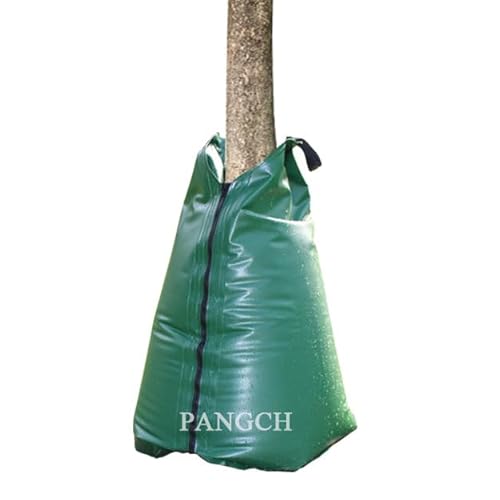
DEEP WATER SATURATION IS KEY - PANGCH tree watering bags deliver water deep below the soil surface, encouraging strong root growth, helping to reduce the effects of transplant & drought shock.Compared to conventional methods, tree watering bag can greatly reduce your watering frequency and save money by eliminating tree replacement and reducing labor costs.

CONCENTRATE INSECT KILLER - This pest control is great for use on aphids, flea beetles, leafhoppers, trips, whiteflies, Japanese beetles, mealy bugs and many more.
Key Characteristics of Sandy Soil
- Drainage: Sandy soil drains quickly, reducing the risk of root rot. Excess water flows away, which may prevent fungal diseases.
- Aeration: The larger particles allow for ample air flow, beneficial for root growth. Healthy roots thrive in well-aerated environments.
- Nutrient Retention: Nutrients wash away easily. Regular fertilization and soil amendments remain vital to provide essential nutrients.
Improving Sandy Soil for Fruit Trees
Enhancing sandy soil conditions can help fruit trees flourish.
- Organic Matter: Incorporate compost or well-rotted manure. Organic matter improves moisture retention and provides nutrients.
- Mulching: Apply a 2- to 4-inch layer of organic mulch around tree bases. Mulch conserves moisture and prevents weeds.
- Watering Techniques: Use drip irrigation or soaker hoses to deliver consistent moisture directly to tree roots.
By understanding sandy soil’s properties and challenges, you can better prepare for successful fruit tree gardening. This knowledge allows you to select appropriate species and implement effective care strategies tailored to sandy conditions.
Benefits Of Growing Fruit Trees In Sandy Soil
Growing fruit trees in sandy soil offers distinct advantages. You can exploit its characteristics to enhance tree health and fruit production.
Drainage And Aeration
Sandy soil provides excellent drainage, which prevents waterlogging. Trees benefit from improved oxygen flow to their roots. Good aeration supports strong root development, which leads to more resilient trees. This aspect is particularly crucial during periods of heavy rainfall, minimizing root rot risks. For best results, ensure you monitor soil moisture levels to prevent excessive dryness.
Nutrient Availability
Sandy soil can be amended to boost nutrient availability. While sandy soil typically has lower natural nutrient content, adding organic matter, such as compost, significantly enriches it. Mixing in nutrients promotes better uptake by your fruit trees. Quick-release fertilizers can also help, especially when applied during the growing season. Focus on regular testing of soil nutrients to maintain a healthy balance for optimal growth.
Best Fruit Trees For Sandy Soil
Many fruit trees thrive in sandy soil. With proper care, you can enjoy a fruitful harvest. Here are some of the best choices:
Apple Trees
Apple trees adapt well to sandy soil. They require full sun and well-drained environments. Consider varieties like ‘Honeycrisp’ or ‘Gala’ for their resilience. Plant them in the spring or fall for the best results. Regular watering, especially during dry spells, ensures healthy growth. Adding mulch helps retain moisture around the roots.
Peach Trees
Peach trees excel in sandy conditions. They prefer a warm climate and need at least six hours of sunlight daily. Varieties such as ‘Elberta’ and ‘Redhaven’ grow well in sandy soils. You should plant them in spring, following proper spacing guidelines to allow airflow. Applying organic matter improves nutrient content in sandy areas. Prune regularly to encourage strong fruit production and remove any dead branches.
Fig Trees
Fig trees thrive in well-drained sandy soil. They love the sun, making them ideal for warmer climates. Varieties like ‘Brown Turkey’ or ‘Celeste’ offer delicious fruits. Plant them in a sunny spot and water them regularly until established. These trees are drought-tolerant, so you can reduce watering once they mature. Adding a layer of compost enhances soil quality, helping your fig tree produce bountiful fruit.
Tips For Growing Fruits In Sandy Soil
Growing fruits in sandy soil presents unique challenges, but with the right techniques, you can enjoy a fruitful harvest.
Recommended Products
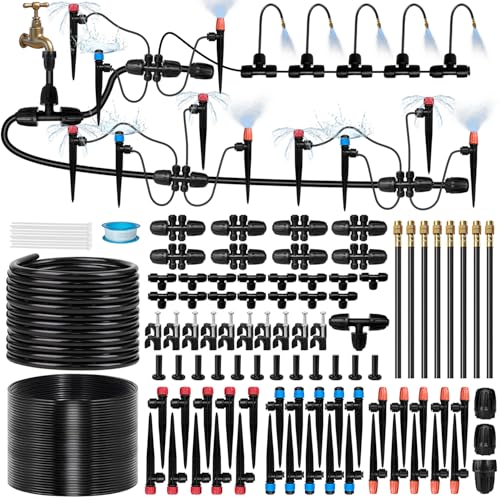
【Upgraded Tube Design & Water Saving】 Our garden watering system is upgraded to 1/2” diameter to support high water pressure. The 1/2” tee connector allows seamless splitting into 2 independent zones for customized watering schedules. By delivering moisture directly to root zones, this drip Irrigation system significantly reduces evaporation and runoff—saving more water compared to conventional sprinklers while eliminating the need for manual watering.

NO MORE HARD INSTALLATION - SET UP IN MINUTES. Tired of struggling with stiff barbed fittings? This drip irrigation system features quick-connect fittings that let you push, lock, and secure tubing effortlessly. No tools, no leaks, just a smooth setup experience. Enjoy a frustration-free installation and get your garden watering system running in minutes.

🍀【Extra-Long 50FT 5/16” Mainline Tubing】 With 50 feet of premium 5/16” main tubing, you have more flexibility to build a central watering path across larger garden layouts. The enhanced flow capacity supports multiple emitters with consistent water pressure throughout your irrigation zones.
Soil Amendments
In sandy soil, enhancing its quality is crucial for optimal fruit tree growth.
- Add Organic Matter: Incorporate compost or well-rotted manure directly into your planting area. This practice improves nutrient availability and moisture retention.
- Use Mulch: Apply a 2-3 inch layer of organic mulch, like wood chips or straw, around your trees. Mulch reduces evaporation and regulates soil temperature.
- Incorporate Cover Crops: Planting legumes, such as clover, can enrich the soil with nitrogen. Turn them into the soil before planting fruit trees to increase fertility.
Watering Techniques
Proper watering elevates success with fruit trees in sandy soil.
- Deep Watering: Water deeply and infrequently to encourage root growth. Aim for watering sessions that moisten the soil to a depth of 12-18 inches.
- Irrigation Systems: Consider drip irrigation for efficient water delivery. This method minimizes evaporation and provides consistent moisture.
- Monitor Soil Moisture: Check the soil moisture regularly. If the top inch feels dry, it’s time to water. Adjust your watering schedule based on rainfall and weather conditions.
Implementing these tips enhances your fruit trees’ chances of thriving in sandy soil. By focusing on soil quality and efficient watering methods, you’ll support healthy growth and maximize your yield.
Conclusion
Growing fruit trees in sandy soil can be a rewarding experience. With the right care and attention you can enjoy bountiful harvests. Remember to enhance your soil with organic matter and keep an eye on moisture levels.
Choosing the right varieties like apples peaches and figs will set you up for success. Embrace the unique characteristics of sandy soil and watch your trees thrive. Happy gardening and enjoy the fruits of your labor!
Frequently Asked Questions
What are the challenges of gardening in sandy soil?
Sandy soil drains quickly and warms up fast but has low moisture and nutrient retention. This can lead to challenges like insufficient water for plants and a lack of essential nutrients. To overcome these issues, it’s vital to amend the soil with organic matter and practice effective watering techniques.
Which fruit trees grow best in sandy soil?
Some of the best fruit trees for sandy soil include apple, peach, and fig trees. They thrive well in well-drained conditions and can produce healthy yields when appropriately cared for. Ensuring proper sunlight, regular watering, and mulch application will enhance their growth.
How can I improve sandy soil for gardening?
To improve sandy soil, incorporate organic matter such as compost, which enhances moisture retention and nutrient levels. Mulching helps reduce evaporation, and using cover crops can boost soil fertility. Regular soil testing can also ensure a healthy balance of nutrients.
Why is drainage important for fruit trees?
Good drainage is crucial for fruit trees to prevent waterlogging and root rot. Sandy soil has excellent drainage, which supports strong root development and keeps the trees healthy, particularly during heavy rains when standing water can damage roots.
How do I water fruit trees in sandy soil?
For watering fruit trees in sandy soil, deep watering sessions are recommended to allow moisture to penetrate the root zone. Consider using drip irrigation for efficiency, and regularly check soil moisture levels to ensure the trees receive adequate water without over-saturation.
