

Ever looked at your fruit tree and wondered why it’s not producing as much fruit as you hoped? You’re not alone. Many gardeners face this challenge, often without realizing that proper pruning can make all the difference.
Key Takeaways
- Importance of Pruning: Proper pruning is essential for enhancing the health and productivity of fruit trees, maximizing fruit production, improving tree structure, and promoting strong growth.
- Timing Matters: The best time to prune most fruit trees is late winter or early spring while they are dormant, avoiding fall pruning to prevent stress and potential frost damage.
- Essential Tools: Key pruning tools include hand pruners, loppers, and pruning saws, along with safety gear such as gloves and goggles to protect during the process.
- Common Techniques: Effective pruning techniques like thinning cuts, heading cuts, and renewal pruning promote better light exposure, airflow, and fruit production, while focusing on specific tree types ensures optimal results.
- Avoid Common Mistakes: To maintain tree health, avoid over-pruning, pruning at the wrong time, neglecting sanitation, and overlooking the tree’s specific needs and condition.
- Maintenance is Key: Regular light maintenance pruning is vital for managing growth and ensuring ongoing fruit production, making it essential to develop a consistent pruning routine.
Understanding The Importance Of Pruning
Pruning plays a crucial role in the health and productivity of fruit trees. Regular pruning encourages strong growth, maximizes fruit production, and enhances overall tree structure.
Benefits of Pruning
- Increases Airflow: Pruning removes excess branches, allowing better airflow within the tree. Improved airflow reduces the risk of diseases and pests.
- Enhances Light Exposure: Thinning out branches lets sunlight reach all parts of the tree. Adequate light exposure supports fruit ripening and overall tree vitality.
- Promotes Yield: A well-pruned tree produces more fruit. Open canopies ensure that nutrients reach fruit-bearing branches effectively.
- Shapes the Tree: Pruning helps shape the tree into a desirable form. A well-shaped tree is easier to manage and harvest.
- Removes Damaged Wood: Pruning removes dead or diseased branches. This action prevents the spread of disease and supports tree recovery.
Timing of Pruning
Pruning at the right time maximizes benefits. Most fruit trees benefit from winter pruning when they are dormant. This period minimizes stress and allows for optimal healing. However, summer pruning can also control growth and help manage tree size.
Tools for Pruning
- Hand Pruners: Ideal for small branches and regular maintenance.
- Loppers: Suitable for thicker branches that require more leverage.
- Pruning Saw: Necessary for larger branches that pruners can’t handle.
- Safety Gear: Always wear gloves and goggles to protect yourself during pruning.
- How much should I prune? Start with removing only 20-30% of the tree’s overall structure. Avoid heavy pruning to prevent shock.
- What if I prune too much? Signs of over-pruning include sparse leaves and poor fruiting. If this occurs, adjust your pruning technique in the following seasons.
Understanding and implementing proper pruning techniques allows you to create a healthier, more productive fruit tree. Follow these guidelines for optimal results.
The Best Time To Prune Fruit Trees
Timing plays a crucial role in the effectiveness of pruning fruit trees. Proper pruning enhances tree health and maximizes fruit yield.
Recommended Products

What Makes VT-C800 Unique? Jam-Proof Sealed Spring | Ever-Sharp Dual-Coated SK5 Blades | Easy Thumb Lock | Backed by Lifetime Support
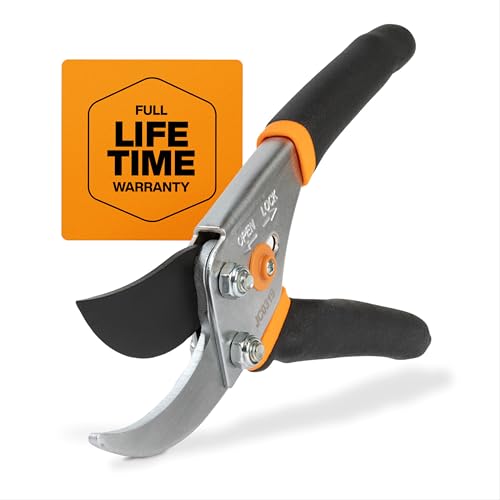
CLEAN CUTS FOR LIVE GROWTH: Bypass blade design is ideal for pruning delicate flower stems and green growth, helping reduce crushing and plant damage while cutting stems and small branches up to 5/8” in diameter

IDEAL BRANCH TRIMMER: 28" Steel blade garden bypass lopper that glides through up to 1.5" thick branches for easy cuts; Works well for trimming tree branches to maintain your yard and garden, and to encourage overall plant health and appearance
Seasonal Considerations
Prune during late winter or early spring when trees are still dormant. This timing minimizes stress and reduces the risk of disease. Prior to new growth is ideal, as it allows you to shape the tree before the leaves emerge. Summer pruning can also be beneficial, especially to control excessive growth or reduce tree height. Avoid pruning in fall, as it can stimulate new growth that won’t harden off before winter.
Climate Impacts
Consider your local climate when deciding the best time to prune. In warmer regions, such as USDA hardiness zones 9 and above, late winter works well. In colder areas, prune in early spring, just before the buds swell. If your area experiences late frosts, prune later to reduce the risk of frost damage. Always observe your tree’s health and growth patterns to adjust your pruning schedule for optimal results.
Tools And Equipment For Pruning
Using the right tools simplifies the pruning process and ensures your fruit trees thrive. Several essential tools and safety gear help protect you while enhancing your pruning effectiveness.
Recommended Products

Bypass Pruner Improve Efficiency: you will receive 9 pieces of garden shears, the garden clippers are ergonomically designed to reduce the pressure on the hands, which can improve your gardening work efficiency; Enough quantity to meet your gardening use and replacement needs

【Highly Sharpe Pruners】The blades of pruning shears adopts professional SK-5 steel is ultra-strong, sharp, rust and corrosion resistant. Our garden shears saves time and makes pruning easier.

PRUNING SHEARS - Cuts Effortlessly. Equipped with high-quality SK5 carbon steel blades with superb sharpness and edge retention. These hand pruners can easily cut through stalks and branches up to 3/4" in diameter.
Essential Tools
- Pruning Shears: Choose bypass shears for clean cuts on small branches. They offer precision and reduce damage to the tree.
- Loppers: Use loppers for thicker branches, typically up to two inches in diameter. They provide more leverage and reduce strain on your hands.
- Hand Saw: A sharp hand saw is ideal for larger branches, ensuring smooth cuts without tearing the bark.
- Pole Pruner: This long-reach tool helps trim high branches without needing a ladder. It keeps you safe while reaching those hard-to-access areas.
- Garden Knife: A sharp garden knife aids in making clean cuts and removing dead tissue or suckers around the tree base.
- Tool Cleaning Supplies: Keep disinfectant wipes or a bleach solution handy to clean your tools between cuts, preventing disease transmission.
- Gloves: Wear sturdy gardening gloves to protect your hands from cuts and scrapes while handling branches or tools.
- Safety Glasses: Use safety glasses to shield your eyes from falling debris during pruning.
- Hard Hat: When working under heavy branches, consider wearing a hard hat for added protection.
- Long Sleeves and Pants: Dress in long sleeves and pants to guard against scratches from branches and thorny plants.
- Non-slip Shoes: Opt for non-slip footwear for secure footing on ladders or uneven ground during pruning activities.
By utilizing the right tools and wearing appropriate safety gear, you ensure a more efficient pruning experience that promotes the health and productivity of your fruit trees.
Pruning Techniques For Fruit Trees
Effective pruning techniques improve fruit tree health and productivity. You can employ various methods to achieve optimal results.
General Pruning Methods
- Thinning Cuts: Remove specific branches to create space and improve airflow. Focus on branches that crowd the center of the tree. This enhances light exposure for fruit growth.
- Heading Cuts: Shorten branches to promote bushier growth. Cut just above a bud facing the direction you want new growth to take. This encourages a fuller canopy.
- Renewal Pruning: Target older branches to stimulate new growth. Remove approximately one-third of the older branches to increase fruit production. Do this gradually over several seasons.
- Cleaning Cuts: Eliminate dead, damaged, or diseased wood. This helps prevent the spread of diseases and pests. Regular inspections and cuts ensure a healthier tree.
- Apple Trees: Prune apple trees in late winter or early spring. Focus on removing vertically growing branches and any crossing branches to optimize sunlight penetration.
- Peach Trees: Peach trees benefit from a more aggressive approach. In late winter, cut back previous season’s growth to promote new shoots, which bear fruit.
- Cherry Trees: For cherry trees, prioritize light thinning to improve airflow. Avoid heavy pruning, as this can reduce fruit yield.
- Citrus Trees: Citrus trees require minimal pruning. Focus on removing dead or diseased wood. Prune for shaping only when necessary to maintain structure.
- Fig Trees: Fig trees thrive with minimal pruning. Remove only dead or excessive growth to maintain a manageable size and shape.
Implement these techniques to maximize your fruit tree’s health and productivity.
Common Mistakes To Avoid
Pruning fruit trees requires careful attention to detail. Avoid these common mistakes to ensure healthy trees and abundant fruit.
Pruning at the Wrong Time
Pruning during the wrong season can stress your trees. Focus on late winter or early spring when trees are dormant. Avoid fall pruning, as this may expose fresh cuts to winter damage.
Over-Pruning
Removing too much of the tree can hinder growth and yield. Limit your cuts to about 25% of the tree’s canopy in a single year. This approach maintains balance and encourages healthy growth.
Ignoring Tree Type
Each fruit tree species has unique pruning requirements. Failing to adapt your techniques can lead to poor results. For apple trees, prune to maintain a central leader. For peach trees, use more aggressive techniques to stimulate growth.
Neglecting Sanitation
Failing to clean your tools contributes to disease transfer. Always sterilize pruning shears before and after use. This practice helps prevent the spread of pathogens and promotes healthy trees.
Not Observing the Tree
Ignoring the tree’s structure and health can lead to ineffective pruning. Take time to examine branches for signs of disease or damage. Prune accordingly to ensure you’re removing the right parts.
Misjudging Cuts
Making cuts in the wrong place can cause harm to the tree. Always cut at a slight angle above a bud to direct growth. Avoid leaving stubs, as they can invite decay.
Skipping Maintenance Pruning
Omitting regular maintenance can lead to larger, more difficult issues. Perform light pruning annually to manage growth and maintain tree health. Regular upkeep promotes better fruit production over time.
Not Seeking Advice
Neglecting to educate yourself on best practices can limit your success. Consult local gardening guides and experts. Their insights will enhance your pruning skills and boost your confidence.
Conclusion
Pruning your fruit trees can make a world of difference in their health and productivity. By following the right techniques and timing you’ll set your trees up for success. Remember to keep an eye on their specific needs and avoid common mistakes to ensure they thrive.
Regular maintenance will keep your trees in check and prevent bigger issues down the road. Don’t hesitate to reach out to local experts for tips tailored to your area. With a little patience and care you’ll enjoy a bountiful harvest season after season. Happy pruning!
Frequently Asked Questions
Why is pruning important for fruit trees?
Pruning is essential for fruit trees because it promotes strong growth, maximizes yield, and improves tree structure. It enhances airflow and light exposure, reduces the risk of disease, and removes damaged wood, ultimately leading to healthier fruit trees and better fruit production.
When is the best time to prune fruit trees?
The best time to prune most fruit trees is late winter or early spring when the trees are dormant. Pruning at this time helps avoid winter damage and supports vigorous growth in the coming growing season. Avoid pruning in the fall to prevent exposure to harsh winter conditions.
What are common pruning techniques for fruit trees?
Common pruning techniques include thinning cuts to improve airflow, heading cuts to encourage bushier growth, renewal pruning to stimulate new growth, and cleaning cuts to remove dead or diseased wood. Each technique serves a specific purpose to enhance the overall health and productivity of the tree.
How should I prune specific types of fruit trees?
Different fruit trees require unique pruning approaches: apple trees should be pruned in late winter; peach trees need more aggressive pruning; cherry trees benefit from light thinning; citrus trees require minimal pruning; and fig trees thrive with occasional necessary cuts. Tailor your techniques according to each type.
What mistakes should I avoid when pruning fruit trees?
Common mistakes include pruning at the wrong time, over-pruning, and neglecting the specific needs of different tree types. Ensuring tool sanitation is vital to prevent disease transfer, and recognizing the tree’s structure is essential for making proper cuts without causing harm.
What tools do I need for pruning fruit trees?
Essential tools for pruning include sharp, clean pruning shears for small branches, loppers for larger cuts, and a saw for very thick branches. Make sure to also have safety gear such as gloves and eye protection to ensure a safe pruning experience.
How can I improve my pruning skills?
To enhance your pruning skills, consider seeking advice from local gardening experts, attending workshops, or watching instructional videos. Regular practice and observation of your trees’ growth and structure will build your confidence and efficiency in effective pruning techniques.
