

Lemon trees thrive in Orlando, FL due to the region’s warm climate and well-drained soil. Proper care and attention to specific growth conditions can lead to healthy, fruitful trees.
Lemon Tree Cultivation Tools and Supplies
Cultivating lemon trees in Orlando requires the right tools and supplies to ensure healthy growth and abundant fruit production. From soil amendments to pruning shears, having the appropriate equipment can make a significant difference in your gardening success. This section outlines essential items that will help you nurture your lemon trees effectively in Central Florida’s unique climate.
Growing lemon trees requires specific tools and supplies to ensure optimal health and productivity. Having the right equipment can make the difference between a thriving tree and one that struggles to produce fruit. Here’s a checklist of essential items:
| Gear/Supply | Purpose |
|---|---|
| Quality potting soil | Provides nutrients and drainage |
| Fertilizer for citrus | Supports growth and fruiting |
| Pruning shears | Maintains tree shape and health |
| Watering can | Ensures proper moisture levels |
| Mulch | Retains moisture and suppresses weeds |
Recommended Products

Balanced Organic Nutrition – Supplies a 6‑3‑3 NPK ratio along with calcium, sulfur, iron, and zinc to foster healthy foliage, flowering, and fruit.
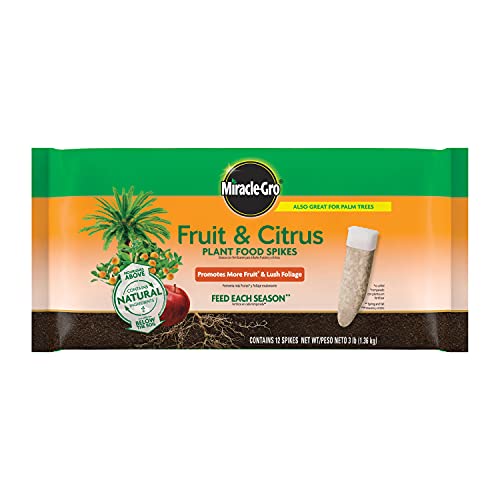
FORMULATED FOR CITRUS AND FRUIT TREES: Use these citrus fertilizer spikes on apple, orange, lemon, lime, and avocado trees; this formula is also great for feeding palm trees

Made for Lemon & Citrus Trees – Formulated to support healthy growth in lemon and citrus plants.
Site Preparation for Lemon Trees
Proper site preparation is crucial for successfully growing lemon trees in Orlando’s unique climate. This section outlines the essential steps to ensure your planting area is conducive to healthy growth, including soil quality, sunlight exposure, and drainage considerations. By following these guidelines, you can create an optimal environment for your lemon trees to thrive.
Before planting lemon trees, ensure you prepare the site properly. Choose a location that receives full sun for at least eight hours daily. This is crucial for fruit production.
Test soil pH: Ideal pH is between 6.0 and 7.0.
Clear debris: Remove any weeds or old plants from the area.
Check drainage: Ensure the site has good drainage to prevent root rot.
Always wear gloves when handling soil and fertilizers to protect your skin.
Effective Planting Techniques for Lemon Trees
Planting lemon trees in Orlando requires careful consideration of local climate and soil conditions to ensure healthy growth and fruitful yields. This section outlines effective techniques tailored for Central Florida, focusing on optimal planting times, soil preparation, and spacing to help both novice and experienced gardeners cultivate thriving lemon trees.
Planting lemon trees requires careful execution to promote healthy growth. Follow these steps for effective planting:
Dig a hole: Make it twice as wide as the root ball and the same depth.
Prepare the roots: Gently loosen any tightly bound roots.
Position the tree: Place the tree in the center of the hole, ensuring the graft union is above soil level.
Backfill with soil: Mix in compost to enhance nutrient content.
Water thoroughly: Ensure the soil settles and eliminates air pockets.
Monitor the tree for signs of stress in the first few weeks.
Watering Techniques for Healthy Lemon Trees
Proper watering is crucial for the health and productivity of lemon trees in Orlando’s unique climate. Understanding the right techniques can help ensure that your trees thrive, producing abundant fruit while avoiding common pitfalls like overwatering or drought stress. This section delves into effective watering practices tailored specifically for Central Florida’s conditions.
Watering is critical for lemon tree health. The right amount of water encourages deep root growth and fruit production.
Frequency: Water deeply once a week, adjusting based on rainfall.
Signs of overwatering: Yellowing leaves and root rot.
Signs of underwatering: Wilting leaves and dry soil.
Consider using a moisture meter to gauge soil moisture levels accurately.
Recommended Products

Accurate Soil Moisture Detection: The XLUX Soil Moisture Meter can tell you if the soil deep inside your pot or garden is dry, moist or wet; whereas your eyes and fingers can only determine the moisture level of the soil surface. The probe is 5.5 inches (14 cm) longer than regular styles, allowing it to measure the soil moisture at the bottom of larger and deeper flower pots.

Accurate Soil Moisture Detection: The XLUX Soil Moisture Meter can tell you if the soil deep inside your pot or garden is dry, moist or wet; whereas your eyes and fingers can only determine the moisture level of the soil surface. The probe is 5.5 inches (14 cm) longer than regular styles, allowing it to measure the soil moisture at the bottom of larger and deeper flower pots.

Long Probe for deep use - For plants with deep root systems, a long probe can reach the roots to provide an accurate moisture reading. This is essential for ensuring that the entire root zone is adequately watered
Optimal Fertilization Timing for Lemon Trees
Understanding the optimal fertilization timing for lemon trees is crucial for achieving healthy growth and abundant fruit production in Orlando’s climate. This section delves into the best practices for feeding your lemon trees, ensuring they receive the nutrients needed during key growth phases throughout the year. Proper timing can make a significant difference in the vitality of your trees.
Fertilizing lemon trees properly supports their growth and fruiting. A well-planned fertilization schedule can enhance tree vitality.
First application: Use a balanced citrus fertilizer in early spring.
Second application: Apply again in late summer.
Organic options: Consider compost or fish emulsion as natural alternatives.
Follow package instructions for application rates to avoid over-fertilization.
Recommended Products

CITRUS PLANT FOOD: This avacado, mango and citrus fruit tree fertilizer feeds plants for up to 3 months and nourishes above and below the soil

FOR USE ON: Use Citrus-tone organic fertilizer for all citrus trees, including lemon, lime, orange, Meyer Lemon Trees as well as for avocado & nut trees

Package contains 4 Pounds organic fruit and citrus fertilizer grains and is produced to avoid wasteful runoff, mess, hazards and smells
Lemon Tree Pruning Strategies for Growth
Pruning is essential for maintaining healthy lemon trees in Orlando’s unique climate. Proper techniques can enhance growth, improve fruit quality, and ensure the tree remains manageable. Understanding the best practices for pruning will help you cultivate a thriving lemon tree that produces abundant, flavorful fruit throughout the year.
Pruning is essential for maintaining the shape and health of lemon trees. Proper pruning encourages air circulation and sunlight penetration.
Timing: Prune in late winter before new growth starts.
Focus on: Removing dead or crossing branches.
Shape the tree: Aim for an open center to allow light in.
Always disinfect pruning shears before use to prevent disease spread.
Pest and Disease Threats to Lemon Trees
Lemon trees in Orlando face various pest and disease challenges that can hinder their growth and fruit production. Understanding these threats is crucial for maintaining healthy trees and ensuring a bountiful harvest. This section delves into the common pests and diseases that affect lemon trees in Central Florida, along with strategies for prevention and management.
Lemon trees in Orlando may face threats from pests and diseases. Being proactive can prevent serious damage.
Common pests: Aphids, spider mites, and scale insects.
Diseases: Citrus greening and root rot.
Control methods: Use insecticidal soap for pests and ensure proper watering to prevent diseases.
Regular inspections can help catch issues early.
Essential Care Tips for Orlando Lemon Trees
Growing lemon trees in Orlando requires specific care to thrive in Central Florida’s unique climate. Understanding the essential care tips will help ensure your trees produce healthy fruit while resisting local pests and diseases. This section will provide practical advice tailored to the needs of lemon trees in this region.
Successful lemon tree cultivation in Orlando requires attention to detail. Monitor your trees regularly and adjust care as needed.
Mulch: Helps retain moisture and reduce weeds.
Sunlight: Ensure they receive adequate sunlight.
Patience: Fruit production may take a few years.
By following these guidelines, you can enjoy a bountiful harvest of lemons.
