

Are your fruit trees looking a bit unruly? Maybe they’re not producing as much fruit as they used to. Proper trimming can make a world of difference, helping your trees thrive and ensuring a bountiful harvest.
Key Takeaways
- Importance of Trimming: Regular trimming is essential for promoting healthy growth and improving fruit production in fruit trees.
- Tools Required: Equip yourself with proper tools like pruning shears, loppers, and saws for effective trimming.
- Best Timing: The ideal time to trim is late winter to early spring, just before new growth begins, to reduce stress on the tree.
- Assessment and Cutting Techniques: Inspect the tree for damage or disease and make clean cuts at a 45-degree angle to encourage healthy regrowth.
- Clean Up: Post-trimming cleanup is crucial to prevent disease spread; ensure all debris is disposed of and tools are disinfected.
- Watch the Video: Complement your knowledge by watching the “How to Trim Fruit Trees” video for visual guidance on effective trimming techniques and best practices.
Importance Of Trimming Fruit Trees
Trimming fruit trees plays a crucial role in their overall health and productivity. Regular trimming encourages healthy growth and increases fruit yield, ensuring that your trees remain vibrant and fruitful.
Enhancing Tree Health
Trimming removes dead or diseased branches. By eliminating these sections, you minimize the risk of pests and diseases spreading throughout the tree. Healthier trees produce stronger buds that lead to better fruit production.
Promoting Better Fruit Production
Trimming allows more sunlight and air to reach the inner branches. This exposure ensures that each branch gets the nutrients it needs, leading to larger, more flavorful fruit. You’ll notice improved quality if you trim your trees annually.
Managing Tree Shape and Size
Regular trimming helps maintain the desired shape and size of your trees. This practice ensures that trees remain manageable and don’t overcrowd your garden space. A well-shaped tree looks better and promotes better fruiting.
Encouraging New Growth
Trimming stimulates new growth by encouraging the tree to develop fresh branches. New growth means more sites for blossoms, which translates to more fruit. Regular trimming fosters a productive cycle of blossom and fruit production.
Tools Required
- Pruning Shears: Perfect for small branches and precise cuts.
- Loppers: Useful for thicker branches that require more leverage.
- Saw: Ideal for removing larger limbs effectively.
- Gloves: Protect your hands during the trimming process.
Timing Your Trims
Trimming at the right time is essential. Late winter or early spring is ideal, just before new growth begins. Avoid trimming in fall, as it can lead to winter damage. Watch for early buds; that’s your cue to start.
- Identify the Tree’s Needs: Assess the tree’s health and growth.
- Make Clean Cuts: Ensure your tools are sharp for smooth cuts.
- Avoid Over-Trimming: Cut back about 20% to prevent shock.
- Step Back Often: Regularly assess your work from a distance.
By understanding the importance of trimming fruit trees and following these practices, you can maintain the health, productivity, and aesthetic appeal of your trees.
Preparing For The Trim
Preparing for trimming fruit trees involves gathering essential tools and timing your efforts correctly. This preparation ensures effective results and promotes healthy tree growth.
Recommended Products

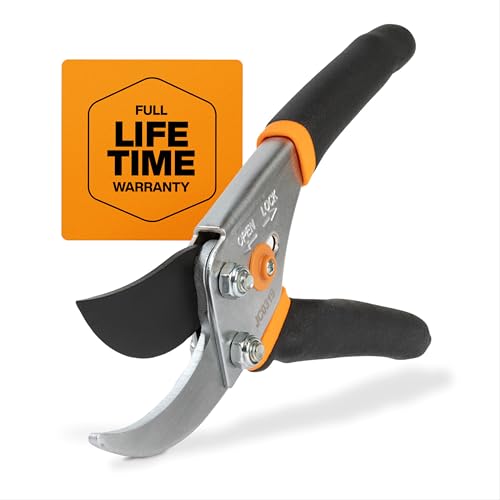
CLEAN CUTS FOR LIVE GROWTH: Bypass blade design is ideal for pruning delicate flower stems and green growth, helping reduce crushing and plant damage while cutting stems and small branches up to 5/8” in diameter

Tree Branch Modelling Too: 15 Pcs 3.94in fruit tree branch puller suitible for 0.4in branch, can pull lower the drooping angle of the tree branch. for orchards with apple trees spaced 1-2 meters and tree age 1-3 years, with a pruning angle of 110-135 degrees.
Tools And Equipment Needed
Gather these tools to make the trimming process smooth and efficient:
- Pruning Shears: Ideal for small branches up to ¾ inch thick.
- Loppers: Useful for branches thicker than ¾ inch, offering leverage and reach.
- Hand Saw: Necessary for larger branches that require a cleaner cut.
- Gloves: Protect your hands from thorny branches and cuts.
- Safety Goggles: Shield your eyes from debris during trimming.
Ensure all tools are clean and sharp for effective cutting.
Choosing The Right Time
Timing affects the success of your trimming efforts. Focus on these guidelines:
- Late Winter to Early Spring: Trim trees when they are still dormant. This timing helps minimize stress.
- After Flowering for Certain Types: For some varieties, like cherries and plums, trim immediately after blooming.
- Dry Weather: Avoid trimming during wet conditions to reduce the risk of disease.
Observing the right timing contributes directly to healthy regrowth and fruitful production.
Steps To Trim Fruit Trees
Trimming fruit trees involves a few essential steps that ensure a healthy and fruitful tree. Follow these guidelines for the best results.
Recommended Products

✂Multifunctional -2 in 1 Garden Grafting Tools-Professional grafting set allows you to pruning and grafting at the same time, saving more time and effort than traditional grafting methods, easy to use and more efficient. It allows you to trim away excess leaves and twigs and prepare the plants to be grafted. At the same time, you can make a precise cut into the grafting stock with the special grafting blade.

★ 1. What you get: Professional convenient grafting tool set including a dual-use grafting pruner tool contain 2 extra replaceable blades, a wrench and a screwdriver, along with 36pcs wide rubber bands, 150 thick rubber bands and 1 grafting tape, packed in a black wallet to meet all your needs

PROFESSIONAL GARDENING GRAFTING TOOLS: Including 2 in 1 grafting pruning tools, 3 replaceable blades, a grafting knife, a screwdriver, a wrench, 2 grafting films, 160 rubber bands, 40 wide rubber bands, and 50 colorful tag cards
Assessing The Tree’s Health
Evaluate your tree’s overall condition before trimming. Look for signs of damage, disease, or death in branches. Check for:
- Brown leaves or spots, indicating disease
- Broken, cracked, or dead branches
- Insects or nests that may affect health
Focus on areas needing attention to promote growth and improve productivity. Identify branches that cross each other or block sunlight. Prioritize trimming these sections during your assessment.
Making The Cut
Make precise cuts to encourage regeneration and healthy growth. Use sharp tools for clean cuts, minimizing damage. Follow these cutting tips:
- Cut at a 45-degree angle to encourage water runoff
- Remove thin or weak branches first
- Trim back to the nearest healthy bud
For larger branches, use loppers or saws to ensure a clean cut. Take your time and step back to assess each cut before proceeding.
Cleaning Up After Trimming
Cleaning after trimming is crucial for tree health and safety. Gather and dispose of all cut branches and debris. Follow these steps:
- Collect all trimmings and dispose of them according to local guidelines
- Clean your tools using disinfectant to prevent disease spread
- Inspect the tree again for any remaining unhealthy parts
Maintaining a clean working area supports ongoing tree health and reduces the risk of pests and diseases.
Watching The “How To Trim Fruit Trees” Video
The “How To Trim Fruit Trees” video provides a visual guide that complements the written instructions on effective trimming techniques. Watching this video enhances your understanding and boosts your confidence in pruning your trees.
Key Takeaways From The Video
- Timing Matters: The video emphasizes trimming during late winter or early spring. This period encourages healthy regrowth and minimizes stress on the tree.
- Assess Tree Health: Viewers learn to inspect for damage, disease, or pests before beginning. This step ensures you’re addressing the right issues for a healthier tree.
- Cutting Techniques: It shows the importance of making precise cuts at a 45-degree angle. This method helps prevent disease and promotes faster healing.
- Focus on Weak Branches: The video highlights removing weaker branches first, allowing stronger ones to thrive and bear more fruit.
- Cleaning Up: After trimming, cleaning up cut branches and disinfecting tools is vital. This prevents diseases from spreading to healthy parts of the tree.
- Use Sharp Tools: The video stresses using clean, sharp tools for effective cuts. Dull tools can damage branches and inhibit healing.
- Wear Protective Gear: Donning safety goggles and gloves protects you during the trimming process.
- Step Back Frequently: It encourages stepping back to evaluate your work regularly. This practice helps you maintain balance and shape as you prune.
- Avoid Over-Trimming: Trimming too much can stress the tree. The video advises focusing on light trimming to foster healthy growth.
- Practice Patience: Understanding that results take time is crucial. The video reminds viewers to allow the tree to rejuvenate and grow after trimming.
Conclusion
Taking the time to trim your fruit trees properly can make a world of difference. You’ll not only boost their health but also enjoy a bountiful harvest of delicious fruit. Remember to gather your tools and choose the right time to trim for the best results.
As you follow the steps outlined in the video, don’t rush the process. Patience is key when it comes to seeing the fruits of your labor. With regular care and attention, your trees will thrive and bring beauty to your garden for years to come. Happy trimming!
Frequently Asked Questions
Why is trimming fruit trees important?
Trimming fruit trees is vital for their health and productivity. It encourages healthy growth, enhances fruit yield, and reduces the risk of pests and diseases by removing dead or diseased branches. Regular trimming allows more sunlight and air to penetrate the tree, resulting in larger and tastier fruit.
When is the best time to trim fruit trees?
The optimal time to trim fruit trees is during late winter to early spring while the trees are dormant. For some varieties, like cherries and plums, trimming right after flowering is also effective. Avoid trimming in wet conditions to minimize disease risks.
What tools do I need for trimming fruit trees?
Essential tools for trimming fruit trees include pruning shears for small branches, loppers for thicker branches, a saw for larger cuts, and gloves for hand protection. Safety goggles are also recommended to protect your eyes during the trimming process.
How do I assess a fruit tree before trimming?
Begin by checking the health of the tree. Look for signs of damage, disease, or pests. Assess the structure and identify weak branches or areas that may need cutting. This evaluation ensures effective trimming and promotes robust growth.
What cutting techniques should I use when trimming?
Make clean cuts at a 45-degree angle to encourage healthy growth. Start by removing weak or diseased branches first and avoid over-trimming. Stepping back regularly to assess your progress helps maintain the desired shape and size of the tree.
How can I maintain the tools after trimming?
After trimming, it’s important to clean your tools to prevent disease spread. Dispose of any cut branches properly and disinfect your tools with a suitable solution. Keeping tools clean and well-maintained ensures optimal performance for future use.
What are the consequences of not trimming fruit trees?
Neglecting to trim fruit trees can lead to overcrowding, disease, and reduced fruit quality. Untrimmed trees may develop weak branches that can break easily, resulting in lower yields and unhealthy growth. Regular trimming helps maintain the tree’s vitality and aesthetic appearance.
