
Close Menu
    Fruit Tree Hub
    • Home
    • Apple Trees
    • Lemon Trees
    • Mango Trees
    • Orange Trees
    • More Trees
      • Best Fruit Trees
      • Apricot Trees
      • Cherry Trees
      • Fig Trees
      • Lime Trees
      • Mulberry Trees
      • Peach Trees
      • Pear Trees
      • Plum Trees
      • Pomegranate Trees
    • Tips and Advice
      • Tools
    • About Us
      • Contact
      • Privacy Policy
    Fruit Tree Hub
    Home»Climbing Fruit»Honeydew»How Does Honeydew Melon Grow: A Complete Guide to Cultivating Sweet Success
    Honeydew

    How Does Honeydew Melon Grow: A Complete Guide to Cultivating Sweet Success

    Lucy SmithBy Lucy SmithJuly 23, 20248 Mins Read
    Share Facebook Twitter Pinterest WhatsApp Email
    Share
    Facebook Twitter LinkedIn Pinterest Telegram Email

    Have you ever wondered how those juicy honeydew melons make their way from the vine to your plate? Picture this: you’re strolling through the produce aisle, eyeing the vibrant green melons, and pondering the journey they’ve taken to reach you. Understanding how honeydew melons grow not only satisfies your curiosity but also gives you a newfound appreciation for nature’s wonders.

    Contents show
    1 Key Takeaways
    2 Understanding the Basics of Honeydew Melon
    2.1 What Is Honeydew Melon?
    3 Ideal Conditions for Growing Honeydew Melon
    3.1 Climate Requirements
    3.2 Soil and Water Needs
    4 Planting Honeydew Melon
    4.1 When to Plant Honeydew Melon
    5 Care and Maintenance of Honeydew Melon Plants
    5.1 Watering and Feeding
    5.2 Pest and Disease Management
    6 Harvesting Honeydew Melon
    6.1 Signs of Ripeness
    6.2 Best Practices for Harvesting
    7 Conclusion
    8 Frequently Asked Questions
    8.1 How long does it take for honeydew melon seeds to germinate?
    8.2 What are the ideal growing conditions for honeydew melons?
    8.3 How should I care for my honeydew melon plants?
    8.4 When is the best time to harvest honeydew melons?
    8.5 What are some harvesting best practices for honeydew melons?

    In this article, we’ll explore the fascinating process of how honeydew melons develop from tiny seeds into luscious fruits ready for harvest. By uncovering the secrets of their growth cycle, you’ll gain insights that will deepen your connection to these delectable treats. Get ready to embark on a journey of discovery as we unveil the magic behind the cultivation of honeydew melons.

    Key Takeaways

    • Honeydew melons start as seeds planted in well-drained soil with plenty of sunlight and go through stages like germination, seedling, flowering, fruit development, and maturation.
    • Ideal conditions for growing honeydew melon include warm climates (70-90°F), well-draining soil rich in organic matter, consistent moisture levels without waterlogging, and ample sunlight.
    • When planting honeydew melons, choose a sunny location with fertile soil, space plants 36-42 inches apart for proper growth, water consistently but avoid waterlogging, and consider using trellises or cages for support.
    • Care for honeydew melon plants by watering regularly without wetting foliage, feeding with potassium-rich fertilizer every 3-4 weeks during the growing season, inspecting for pests/diseases like aphids and powdery mildew.
    • Harvest ripe honeydew melons by checking for creamy yellow rind color, slightly waxy yet firm texture when pressed gently, sweet aroma near the stem end, and a dull hollow sound when thumped; use pruning shears to cut fruit leaving a short stem attached.
    MUST READ
    Growing Honeydew Melon from Seeds: A Complete Guide to Successful Cultivation

    Understanding the Basics of Honeydew Melon

    Honeydew melons, known for their sweet and juicy flavor, are a popular choice for fruit lovers. Here’s what you need to know about this delicious fruit:

    What Is Honeydew Melon?

    Honeydew melon, scientifically classified as Cucumis melo var. inodorus, belongs to the gourd family and is closely related to other melons like cantaloupe and watermelon. It features a smooth rind with a pale green to white color and sweet, light-green flesh.

    1. Seed Planting: Honeydew melons start their journey as seeds planted in well-drained soil with plenty of sunlight.
    2. Germination: After planting, the seeds germinate within 5-7 days under optimal conditions.
    3. Seedling Stage: Once germinated, the seedlings grow leaves and stems before developing into mature plants.
    4. Flowering: As the plant matures, it produces beautiful yellow flowers that attract pollinators like bees for fertilization.
    5. Fruit Development: Following successful pollination, tiny honeydew melons begin to form from the flower’s base.
    6. Maturation: Over time, these small fruits grow larger while still attached to the vine until they reach full ripeness.

    Ideal Conditions for Growing Honeydew Melon

    When cultivating honeydew melons, ensuring the ideal conditions is crucial for a successful harvest. Here are the key factors to consider:

    Recommended Products
    Gardeners Basics, Honeydew Seeds for Planting - Green Flesh Melon Heirloom, Non-GMO Fruit Seed Variety- 2 Grams Seeds Great for Summer Honey Dew Melon Gardens
    Gardeners Basics, Honeydew Seeds for Planting - Green Flesh Melon Heirloom, Non-GMO Fruit Seed Variety- 2 Grams Seeds Great for Summer Honey Dew Melon Gardens

    TRUSTED VARIETY - Popular honeydew seeds used by gardeners for years. Yellow/Tan rind at maturity with a beautiful green colored flesh.

    VIEW LATEST PRICE

    As an affiliate, we earn on qualifying purchases.

    Iceyyyy 200 Pack Watermelon Nets,Hanging Watermelon Nets Bags Mesh,Reusable Melon Hammocks Cradles for Honeydew Melon,Cucumbers,Garden Growing
    Iceyyyy 200 Pack Watermelon Nets,Hanging Watermelon Nets Bags Mesh,Reusable Melon Hammocks Cradles for Honeydew Melon,Cucumbers,Garden Growing

    Sufficient Package:You will get 200 Pack reusable nylon watermelon nets, enough quantity for daily use.

    VIEW LATEST PRICE

    As an affiliate, we earn on qualifying purchases.

    Plzoslly 100 Pieces Melon Hammocks Melon Nets Bags, Reusable Cantaloupes Mesh Net Watermelon Nets with Drawstring for Growing Cantaloupe, Watermelon, Vegetables, Honeydew in Vertical Garden
    Plzoslly 100 Pieces Melon Hammocks Melon Nets Bags, Reusable Cantaloupes Mesh Net Watermelon Nets with Drawstring for Growing Cantaloupe, Watermelon, Vegetables, Honeydew in Vertical Garden

    Quality Material: Watermelon nets are made of strong nylon mesh material, drawstring design, reusable and not easy to break.

    MUST READ
    How to Plant Honeydew Seeds: A Complete Guide for Growing Sweet Melons at Home
    VIEW LATEST PRICE

    As an affiliate, we earn on qualifying purchases.

    Climate Requirements

    In regions with warm climates, honeydew melons thrive best. They require temperatures between 70-90°F (21-32°C) during the day and slightly cooler nights. Consistent sunlight is essential for their growth, so choose a location in your garden that receives ample sunshine throughout the day.

    Soil and Water Needs

    Honeydew melons prefer well-draining soil rich in organic matter. Sandy loam or loamy soils with a pH level of 6.0-6.5 are ideal for their cultivation. Ensure proper drainage to prevent waterlogging, which can lead to root rot.

    When it comes to watering, honeydew melons need consistent moisture levels but dislike soggy conditions. Water them deeply once a week, ensuring the soil remains moist but not waterlogged between watering sessions.

    By providing the right climate conditions and maintaining suitable soil and water requirements, you’ll set your honeydew melon plants up for healthy growth and bountiful fruit production.

    Planting Honeydew Melon

    Planting honeydew melons requires careful consideration of timing and conditions to ensure successful growth. Here’s what you need to know:

    Recommended Products

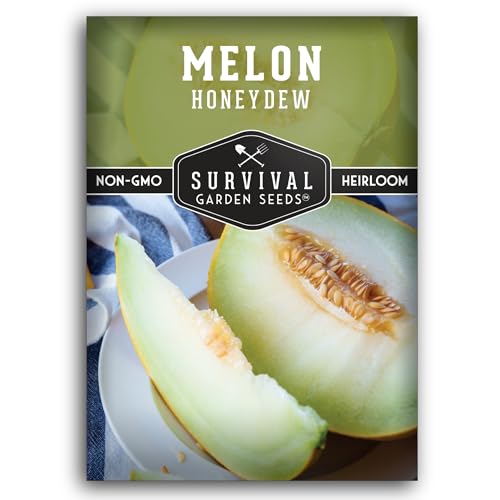
    Honeydew Melon Seeds for Planting – Heirloom Sweet Melon with Light Green Flesh, Smooth Rind & Refreshing Flavor – Heat Tolerant Non-GMO Variety – Survival Garden Seeds (1 Pack)
    Honeydew Melon Seeds for Planting – Heirloom Sweet Melon with Light Green Flesh, Smooth Rind & Refreshing Flavor – Heat Tolerant Non-GMO Variety – Survival Garden Seeds (1 Pack)

    REFRESHINGLY SWEET MELONS – Classic honeydew flavor with smooth light green flesh that’s juicy and fragrant for sweet summer enjoyment straight from your own home garden vines

    VIEW LATEST PRICE

    As an affiliate, we earn on qualifying purchases.

    Sow Right Seeds - Green Honeydew Melon Seeds for Planting - Non-GMO Heirloom Packet with Instructions to Plant a Home Vegetable Garden - Super Sweet and Crisp Green Honey Dew Cantaloupe (1)
    Sow Right Seeds - Green Honeydew Melon Seeds for Planting - Non-GMO Heirloom Packet with Instructions to Plant a Home Vegetable Garden - Super Sweet and Crisp Green Honey Dew Cantaloupe (1)

    Beautiful - Large individual packet of Green Honeydew Melon (Cucumis melo) seeds. Grow an abundant harvest of sweet melons. Each plant grows vigorously and produces 2-4 melons. Minimum of 1.5g per packet (about 50 seeds).

    VIEW LATEST PRICE

    As an affiliate, we earn on qualifying purchases.

    Burpee SuperSeed Seed Starting Tray | 36 Cell Reusable Seed Starter Tray | for Starting Vegetable, Flower & Herb Seeds | Indoor Grow Kit for Plant Seedlings | for Germination Success
    Burpee SuperSeed Seed Starting Tray | 36 Cell Reusable Seed Starter Tray | for Starting Vegetable, Flower & Herb Seeds | Indoor Grow Kit for Plant Seedlings | for Germination Success

    EASIER SEED STARTING: Our Burpee SuperSeed tray with 36 flexible pop-out cells is designed to simplify indoor seed starting for all your favorite vegetables, flowers and herbs. Just add seed starting mix, seeds, water and light to get growing! Rows are labeled alphanumerically for seedling identification with included Plant-o-Gram diagram. Tray dimensions: 11.5" x 10-3/8" x 2-1/4"

    MUST READ
    How Long Does Honeydew Take to Grow? Understanding Growth Factors and Harvest Timelines
    VIEW LATEST PRICE

    As an affiliate, we earn on qualifying purchases.

    When to Plant Honeydew Melon

    Plant honeydew melon seeds in your garden or containers after the last frost date in your area. The soil temperature should be around 70°F (21°C) for optimal germination. In most regions, this translates to planting in late spring or early summer when the weather is consistently warm.

    1. Choose the Right Location: Select a sunny spot with well-draining soil that is rich in organic matter. Honeydew melons thrive in full sunlight.
    2. Prepare the Soil: Ensure the soil is loose and fertile by incorporating compost or aged manure before planting. This helps provide essential nutrients for healthy plant growth.
    3. Spacing Matters: Leave enough space between plants, typically around 36-42 inches apart, to allow proper air circulation and room for vines to spread.
    4. Water Adequately: Keep the soil consistently moist but not waterlogged throughout the growing season, especially during hot periods.
    5. Support Growth: Consider using trellises or cages to support vine growth and keep fruits off the ground, reducing the risk of rotting.

    Care and Maintenance of Honeydew Melon Plants

    Caring for your honeydew melon plants is crucial to ensure a bountiful harvest. Here’s how you can effectively maintain your plants:

    Recommended Products

    DANGZW 230FT Drip Irrigation System Kit, Quick Push-to-Connect Auto Garden Watering Irrigation System with 33FT 1/2'' & 197FT 1/4'' Tubing, Adjustable Dripper Sprayers for Raised Bed, Lawn, Greenhouse
    DANGZW 230FT Drip Irrigation System Kit, Quick Push-to-Connect Auto Garden Watering Irrigation System with 33FT 1/2'' & 197FT 1/4'' Tubing, Adjustable Dripper Sprayers for Raised Bed, Lawn, Greenhouse

    Quick Connect Setup in Minutes — Designed for easier installation than traditional drip systems, this drip irrigation kit uses quick-connect fittings that push in securely without heating, digging, or special tools. Build a clean garden watering system faster for flower beds, vegetable gardens, patios, greenhouses, and raised beds.

    VIEW LATEST PRICE

    As an affiliate, we earn on qualifying purchases.

    Rain Bird SWDMSPKIT Drip Irrigation Spot Watering Manifold on a Spike Kit, Bubblers and Emitters
    Rain Bird SWDMSPKIT Drip Irrigation Spot Watering Manifold on a Spike Kit, Bubblers and Emitters

    Connects to a garden hose to provide healthier plant life with Drip irrigation

    MUST READ
    Planting Honeydew Seeds from Grocery Store: Your Guide to Growing Delicious Fruits
    VIEW LATEST PRICE

    As an affiliate, we earn on qualifying purchases.

    MIXC 230FT Quick-Connect Drip Irrigation System Kit, Automatic Garden Watering System with 1/4" & 1/2" Fast-Lock Tubing - Adjustable Nozzles & Sprinklers for Garden, Greenhouse, Lawn, Potted Plants
    MIXC 230FT Quick-Connect Drip Irrigation System Kit, Automatic Garden Watering System with 1/4" & 1/2" Fast-Lock Tubing - Adjustable Nozzles & Sprinklers for Garden, Greenhouse, Lawn, Potted Plants

    ✔Comprehensive Drip Irrigation Kit:MIXC drip irrigation system, equipped with a versatile range of components, caters to all your garden watering needs.Includes essential parts such as 197ft 1/4'' irrigation tube, 33ft 1/2'' irrigation tube, 1/2‘’ Lock Barbed Tee connectors, drip emitter streams, vortex emitters, Blue Mist Nozzles, Quick connection tees, Faucet Connector, and more.

    VIEW LATEST PRICE

    As an affiliate, we earn on qualifying purchases.

    Watering and Feeding

    Water your honeydew melon plants regularly, especially during hot and dry periods. Ensure the soil remains consistently moist but not waterlogged to support healthy growth. Consider using a soaker hose or drip irrigation system to deliver water directly to the roots without wetting the foliage, which can lead to diseases.

    When it comes to feeding your honeydew melons, apply a balanced fertilizer high in potassium to promote fruit development. Fertilize the plants every 3-4 weeks during the growing season, following package instructions for proper application rates.

    Pest and Disease Management

    To protect your honeydew melon plants from pests and diseases, inspect them regularly for any signs of trouble. Common pests that may affect honeydews include aphids, whiteflies, and spider mites. Use organic insecticidal soap or neem oil spray as natural remedies to control these pests without harming beneficial insects.

    Prevent fungal diseases like powdery mildew by ensuring good air circulation around the plants and avoiding overhead watering. If you notice any disease symptoms, promptly remove infected plant parts and dispose of them properly to prevent further spread.

    Harvesting Honeydew Melon

    Harvesting honeydew melons is a rewarding experience that requires attention to detail. Here are some key points to consider when determining if your honeydew melons are ready for picking and the best practices for harvesting them.

    Signs of Ripeness

    To ensure you harvest your honeydew melons at the peak of sweetness, look out for these signs of ripeness:

    1. Color: A ripe honeydew melon will have a creamy yellow color on its rind, with little to no green visible.
    2. Texture: The skin should feel slightly waxy and firm but yield slightly when pressed gently.
    3. Fragrance: A sweet, pleasant aroma near the stem end indicates ripeness.
    4. Sound: When thumped, a ripe honeydew melon will produce a dull, hollow sound.
    MUST READ
    How to Get Honeydew Off Car: Safe and Effective Cleaning Techniques

    Best Practices for Harvesting

    When it’s time to harvest your honeydew melons, follow these best practices:

    1. Use Pruning Shears: Cut the fruit from the vine using clean pruning shears to avoid damaging the plant.
    2. Leave Stem Intact: Leave a short stem (about an inch) attached to the fruit; this helps prolong shelf life.
    3. Check Underside: Ensure the spot where the melon was resting on the ground (the blossom end) is cream-colored or yellowish; this indicates ripeness.
    4. Store Properly: Store harvested honeydew melons at room temperature until fully ripe, then refrigerate them for up to five days.

    Conclusion

    You’ve now discovered the fascinating journey of how honeydew melons grow. From seed to harvest, these juicy fruits require warmth, good soil, and tender care. Remember, maintaining optimal conditions is key to a successful harvest. By following the planting and caring tips provided, you can nurture your honeydew plants to maturity. When it’s time to pick your ripe melons, pay attention to the signs of readiness for a sweet and flavorful reward. With proper harvesting techniques and storage methods, you’ll savor the delicious taste of homegrown honeydew melons all summer long. Enjoy cultivating these refreshing fruits in your own garden!

    Frequently Asked Questions

    How long does it take for honeydew melon seeds to germinate?

    Honeydew melon seeds typically germinate within 7 to 10 days under optimal conditions.

    What are the ideal growing conditions for honeydew melons?

    Honeydew melons thrive in warm climates with well-draining soil and consistent moisture levels.

    How should I care for my honeydew melon plants?

    Care for your honeydew melon plants by providing regular watering, fertilization, and managing pests effectively.

    When is the best time to harvest honeydew melons?

    Harvest honeydew melons when they exhibit signs of ripeness such as color, texture, fragrance, and a dull sound when tapped.

    What are some harvesting best practices for honeydew melons?

    Use pruning shears to cut the stem leaving a short portion attached. Check the underside of the fruit for ripeness indicators and employ proper storage methods.

    Share. Facebook Twitter Pinterest LinkedIn Tumblr Email
    lucy smith
    Lucy Smith
    • Website

    Lucy Smith is a highly experienced horticulturist with a passion for fruit tree cultivation. She holds a degree in Horticulture from the University of California, Davis, and has worked in various roles in the industry. With over 10 years of experience, Lucy is dedicated to using eco-friendly methods for sustainable gardening practices.

    Related Posts

    Do Honeydew Melons Grow on Trees? Cultivation, Nutrition, and Culinary Delights Explained

    July 27, 2024

    Can You Grow Honeydew Melons from Seeds? Tips for Successful Home Harvesting

    July 27, 2024

    How to Grow Honeydew Melon from Fresh Seeds: A Complete Backyard Gardening Guide

    July 27, 2024

    Can You Eat Honeydew Seeds? A Guide to Health Benefits and Preparation Tips

    July 27, 2024

    Are Honeydew Seeds Good for You? Exploring Nutritional Benefits and Safety Tips

    July 27, 2024

    Ultimate Guide: How to Grow Honeydew Melons on a Trellis Like a Pro

    July 27, 2024
    Leave A Reply Cancel Reply

    Affiliate Disclosure

    As an Amazon Associate I earn from qualifying purchases.

    Recommended Reading

    How to Stop Apple Tree from Bearing Fruit: Effective Tips for Managing Abundance

    How Long Does It Take Peach Trees to Bear Fruit: Tips for Growing and Caring for Your Trees

    Walnut Trees in a Pot in Columbus, OH (Successful Harvest Guide)

    How to Graft a Fruit Tree Video: Essential Techniques for Successful Backyard Grafting

    Growing Grapes from Seeds: Tips for Successful Home Cultivation

    How Long Until Apple Trees Bear Fruit: Understanding Growth Stages and Care Tips

    Can Guava Trees Grow in Houston, TX? Humidity-Tolerant Tips

    Do Weeping Fig Trees Bear Fruit and What You Need to Know About Their Growth Conditions

    How to Fertilize Fruit Tree for Healthy Growth and Bountiful Harvest

    5 Best Pruning Loppers of 2024 – Cut Like a Pro With These Top Picks

    Fruit Tree Hub

    Fruit Tree Hub is a website dedicated to providing you everything you need to grow fruit trees successfully at in your own yard.

    Contact us at: [email protected]

    - AFFILIATE DISCLOSURE: As an Amazon Associate I earn from qualifying purchases.

    Latest Posts

    Can Grapefruit Trees Grow in Nebraska? Plains Climate Tips

    Mango Trees in a Pot in Indiana (Beginner Friendly Potting Tips)

    Pear Trees in a Pot in Vermont (Winter Protection Strategies)

    Growing Walnut Trees in Colorado: High Altitude Success Tips

    Can Tamarind Trees Grow in a Pot in Wyoming? Pro Advice

    Grapefruit Trees in Tucson, AZ: Desert Irrigation Secrets

    Growing Nectarine Trees in Hawaii (Tropical Harvest Secrets)

    Lime Trees in Baton Rouge, LA: Southern Growing Secrets

    Categories
    • Almond Trees
    • Apple Trees
    • Apricot Trees
    • Best Fruit Trees
    • Blackberry
    • Cantaloupe
    • Cherry Trees
    • Crochet Ideas
    • Crochet Ideas for Beginners
    • Cucamelon
    • Easy Crochet Ideas
    • Easy Knitting Projects
    • Fig Trees
    • Grapefruit Trees
    • Grapes
    • Guava Trees
    • Honeydew
    • Jujube Trees
    • Kiwi
    • Knitting For Beginners
    • Knitting Ideas
    • Knitting Inspiration
    • Lemon Trees
    • Lime Trees
    • Loquat Trees
    • Mango Trees
    • Mulberry Trees
    • Nectarine Trees
    • Olive Trees
    • Orange Trees
    • Papaya Trees
    • Peach Trees
    • Pear Trees
    • Persimmon Trees
    • Planting
    • Plum Trees
    • Pomegranate Trees
    • Quince Trees
    • Raspberry
    • Reviews
    • Small Crochet Ideas
    • Star Fruit Trees
    • Summer Crochet Ideas
    • Tamarind Trees
    • Tangerine Trees
    • Tips and Advice
    • Tools
    • Uncategorized
    • Walnut Trees
    © 2026 Fruit Tree Hub
    • Home
    • About Us
    • Contact
    • Privacy Policy
    • Terms and Conditions
    • Disclaimer
    • Editorial Policy
    • Affiliate Disclosure

    Type above and press Enter to search. Press Esc to cancel.