

Have you ever admired the stunning beauty of a weeping cherry tree and wondered if it bears fruit? You’re not alone. Many people find themselves enchanted by these graceful trees, only to be curious about their potential for producing cherries.
While they’re known for their breathtaking blossoms, the question of fruit can leave you scratching your head. This article will clarify whether weeping cherry trees can yield fruit and explore the reasons behind their ornamental appeal. By the end, you’ll have a better understanding of these lovely trees and what to expect if you decide to plant one in your garden.
Key Takeaways
- Weeping cherry trees are primarily ornamental and are known for their stunning pink or white blossoms rather than fruit production.
- While some weeping cherry tree varieties may develop small, inedible drupes, they do not produce significant or edible fruit like traditional sweet or sour cherry trees.
- Key factors affecting fruit production in weeping cherry trees include cultivar selection, pollination events, growing conditions, and tree age.
- Popular weeping cherry cultivars include the Yoshino and Snow Fountain, both emphasizing aesthetic beauty over fruit yield.
- To ensure a thriving weeping cherry tree, provide it with ample sunlight, well-drained soil, and regular pruning and watering.
Overview of Weeping Cherry Trees
Weeping cherry trees, known for their stunning cascading branches, add a unique beauty to any landscape. These ornamental trees display delicate, pink or white blossoms in early spring, attracting attention and admiration. They thrive in well-drained soil and prefer full sunlight, making them suitable for many gardens.
You might wonder about their fruit-bearing capability. Weeping cherry trees primarily belong to ornamental varieties, which do not produce significant fruit. However, some cultivars may develop small, fruit-like drupes that aren’t edible. These fruits serve more as a seasonal feature rather than a food source.
Examples of popular weeping cherry tree varieties include the Yoshino and Snow Fountain. The Yoshino impresses with its large, fragrant blossoms, while the Snow Fountain features unique, cascading branches that create a striking visual effect. For those interested in edible fruit, consider planting traditional cherry trees instead.
When selecting and caring for your weeping cherry tree, choose a location that receives ample sunlight and offers adequate space for growth. Regular pruning encourages healthy growth and enhances the tree’s aesthetic. Ensure proper watering, especially during dry spells, to maintain its vitality.
By understanding the characteristics of weeping cherry trees, you can appreciate their ornamental value while managing your expectations regarding fruit production.
Characteristics of Weeping Cherry Trees
Weeping cherry trees are known for their enchanting beauty, making them popular choices for landscaping. Their stunning flowers and unique structure create breathtaking displays in spring.
Recommended Products
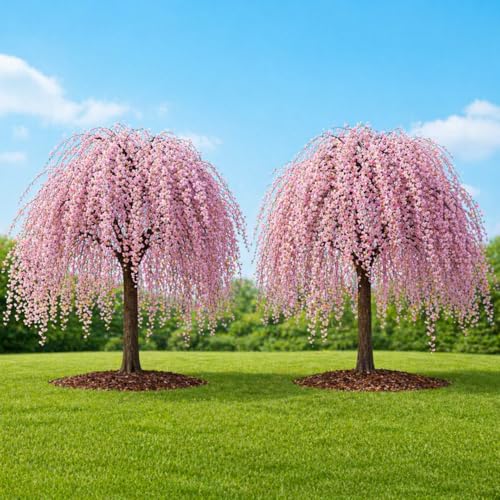
WHAT YOU WILL RECEIVE: 2 Cherry blossom tree live plant approximately 6 - 12 inches tall, prepared for transplanting into garden soil or outdoor containers

Do not transplant into another container, only the ground. These are ready to plant and should be put in the ground according to the included instructions upon arrival. All pictures are of fully grown plants. Sizes shipped are in the title and description. Deciduous plants do not have leaves in the winter.
Description and Appearance
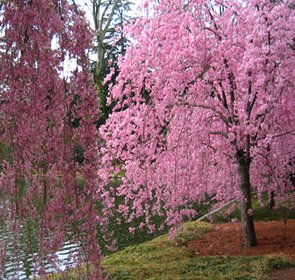
Weeping cherry trees feature elegant, cascading branches. These branches sweep downwards, creating a graceful silhouette. The tree’s blossoms emerge in shades of pink or white, attracting attention when in full bloom. Typically, the flowers bloom in clusters, enhancing visual impact. The leaves are serrated, offering a vibrant green backdrop during the growing season. Popular cultivars include the Yoshino, which produces large fragrant flowers, and the Snow Fountain, known for its unique waterfall-like appearance.
Growth Habits and Requirements
Weeping cherry trees thrive in full sunlight and require well-drained soil. They reach heights of 15 to 50 feet, depending on the variety. Provide at least 15 to 20 feet of space for optimal growth. Regular pruning promotes a healthy structure and encourages flowering. Water consistently, especially in the first few years, to establish strong roots. Fertilize annually in early spring with a balanced fertilizer to promote growth. By meeting these conditions, you ensure a thriving weeping cherry tree in your garden.
Do Weeping Cherry Trees Bear Fruit?
Weeping cherry trees primarily serve as ornamental features in gardens. While they may produce small drupes, these are generally not significant and are often considered inedible.
Fruit Production in Weeping Cherry Trees
Most weeping cherry trees, including popular varieties like the Yoshino and Snow Fountain, focus on their stunning blooms rather than fruit production. You’ll notice that these trees rarely develop edible cherries. Instead, if they do bear fruit, it usually consists of tiny, round drupes that aren’t suitable for consumption.
Factors Affecting Fruit Development
Several factors influence whether weeping cherry trees develop any fruit at all.
- Cultivar Selection: Some weeping cherry cultivars are more prone to fruiting than others. Research specific varieties if fruit is a priority for your landscape.
- Pollination: Weeping cherry trees often lack enough compatible pollinators nearby. Effective cross-pollination typically requires planting multiple compatible tree varieties.
- Growing Conditions: Optimal environmental conditions—like full sunlight, well-drained soil, and appropriate spacing—can enhance tree health but won’t guarantee fruit.
- Tree Age: Younger trees may not produce fruit, as they require time to mature. Wait several years after planting before expecting any fruit development.
By understanding these factors, you can better manage your expectations regarding weeping cherry tree fruit production.
Comparison with Other Cherry Tree Varieties
Weeping cherry trees differ significantly from other cherry tree varieties in terms of fruit production. While most ornamental cherry trees, including weeping types, focus on aesthetics, some varieties produce edible fruit.
Fruit Production
- Sweet Cherry Trees: Sweet cherries (Prunus avium) produce large, sweet fruit. These trees require cross-pollination for optimal yield, necessitating at least two trees for good fruit set.
- Sour Cherry Trees: Sour cherries (Prunus cerasus) offer smaller, tart fruits, ideal for pies and preserves. These trees often bear more fruit than sweet varieties and can thrive with just one tree due to self-pollination.
- Ornamental Cherry Trees: Many ornamental cherry trees, like the Yoshino and Snow Fountain, prioritize blossoms over fruit. Although they may develop small drupes, these fruits typically lack flavor and are not suitable for eating.
Pollination Requirements
- Cross-Pollination: Sweet and sour cherry trees benefit from cross-pollination. Planting different varieties nearby boosts fruit production. Weeping cherries don’t require this, as they mainly serve as ornamental plants.
- Self-Pollination: Some sour cherry trees self-pollinate effectively. This characteristic increases fruit chances without needing other trees nearby.
- Sunlight and Soil: Just like weeping cherry trees, other cherry varieties thrive in full sunlight and well-drained soil. Both types benefit from the same care routines, including regular watering and annual fertilization.
- Space Requirements: All cherry trees require sufficient space for growth. Traditional varieties need more room than weeping versions, which usually spread less.
By understanding these comparisons, you can make informed decisions about planting cherry trees suited to your preferences, whether for stunning blossoms or delicious fruit.
Conclusion
Weeping cherry trees are a beautiful addition to any garden with their stunning blooms and graceful branches. While they may produce small drupes, they’re not the focus of these ornamental trees. Instead, you get to enjoy their breathtaking displays each spring that can truly transform your outdoor space.
If you’re looking for vibrant flowers rather than fruit, these trees are perfect for you. Just remember to provide the right care and conditions to keep them thriving. Whether you choose the Yoshino or the Snow Fountain, you’ll create a lovely atmosphere that celebrates nature’s beauty. Enjoy your gardening journey and the splendor these trees bring to your home.
Frequently Asked Questions
What are weeping cherry trees known for?
Weeping cherry trees are celebrated for their breathtaking beauty, particularly their cascading branches and clusters of delicate pink or white flowers that bloom in spring. Varieties like the Yoshino and Snow Fountain capture attention with their stunning displays.
Do weeping cherry trees produce fruit?
Primarily, weeping cherry trees are ornamental and do not produce significant fruit. While some cultivars may develop small, inedible drupes, their focus is on beautiful blooms rather than fruit production.
How should I care for my weeping cherry tree?
To care for a weeping cherry tree, ensure it receives full sunlight, well-drained soil, and adequate space (15 to 20 feet). Regular pruning, consistent watering, especially during the first few years, and annual fertilization in early spring are essential.
What are popular varieties of weeping cherry trees?
Popular varieties include the Yoshino cherry tree, known for its large, fragrant blossoms, and the Snow Fountain, famous for its waterfall-like appearance. These trees are prized for their stunning floral displays in the spring.
How do weeping cherry trees compare to other cherry varieties?
Weeping cherry trees prioritize aesthetics and stunning blooms over fruit. In contrast, sweet cherry trees produce large, sweet fruit requiring cross-pollination, while sour cherry trees yield smaller, tart fruits and can self-pollinate.
