

Tamarind trees can thrive in pots in Texas, offering both ornamental beauty and culinary benefits. Proper care, including soil selection and watering techniques, ensures healthy growth and fruit production.
Tamarind Tree Potting Conditions in Texas
Tamarind trees require specific conditions to flourish in pots, particularly in Texas’s diverse climate. These trees prefer well-draining soil and a location that receives full sunlight for at least six hours daily. The right pot size is crucial; a larger pot allows for root expansion and better nutrient absorption.
Optimal Soil Blend for Tamarind Trees
Choosing the right soil blend is crucial for the health and growth of tamarind trees in pots, especially in Texas’s unique climate. The optimal soil mix not only supports root development but also ensures proper drainage and nutrient availability. This section outlines the best soil components to create a thriving environment for your tamarind trees.
Creating the right soil mix is essential for the health of your tamarind tree. A combination of potting soil, sand, and organic compost provides the necessary drainage and nutrients.
| Component | Ratio | Purpose |
|---|---|---|
| Potting Soil | 50% | Base nutrient source |
| Sand | 30% | Improves drainage |
| Organic Compost | 20% | Adds nutrients and moisture |
Tamarind Tree Watering Best Practices
Proper watering is essential for tamarind trees thriving in pots, especially in Texas’s unique climate. Understanding the specific needs of these trees will ensure they remain healthy and productive. This section outlines the best practices for watering your tamarind tree, helping you achieve optimal growth and fruit production.
Watering is a critical aspect of tamarind tree care. Overwatering can lead to root rot, while underwatering can stunt growth.
Monitor the soil moisture regularly. Water when the top inch of soil feels dry to the touch.
Use a moisture meter for accuracy.
Ensure pots have drainage holes to prevent standing water.
Adjust watering frequency based on seasonal changes.
Pot Selection for Thriving Tamarind Trees
Selecting the right pot is crucial for the health and growth of tamarind trees in Texas. The right container not only supports the tree’s root system but also ensures proper drainage and soil aeration. This section will guide you through the essential factors to consider when choosing a pot for your tamarind tree to thrive in the Lone Star State.
Selecting the appropriate pot is vital for the growth of your tamarind tree. A pot that is too small restricts root development, while one that is excessively large can retain too much moisture.
Recommended Products

You will receive 1 live Tamarind tree approximately 4–7 inches tall, growing in soil in a 4 inch pot

Material:Made from quality plastic material,which is lightweight and reusable. The wall of the nursery pot is thin but durable to use repeatedly.

Material:Made from quality plastic material,which is lightweight and reusable. The wall of the nursery pot is thin but durable to use repeatedly.
Ideal Pot Dimensions for Young Tamarind Trees
When cultivating young tamarind trees in pots, selecting the right pot dimensions is crucial for their growth and health. This section outlines the ideal sizes and shapes to ensure these tropical trees thrive in Texas’s unique climate, providing them with the space they need to develop strong roots and lush foliage.
Small Trees (1-2 years old): Use a pot with a diameter of 10-12 inches.
Mature Trees (3-5 years old): Transition to a pot with a diameter of 18-24 inches.
Fertilization Techniques for Tamarind Trees
Fertilizing tamarind trees in pots is essential for promoting healthy growth and fruit production, especially in the unique climate of Texas. Understanding the specific nutrient needs and optimal fertilization techniques will help ensure these tropical trees thrive in a container environment. This section will explore effective methods to nourish your tamarind trees for robust development.
Regular fertilization supports robust growth and fruit production in tamarind trees. Use a balanced, slow-release fertilizer during the growing season.
Apply fertilizer every 4-6 weeks from spring through early fall.
Use a fertilizer with an NPK ratio of 10-10-10 for balanced nutrition.
Reduce feeding during winter months when the tree is dormant.
Recommended Products


Supports Roots, Foliage & Structure – Helps encourage strong roots and steady plant development.
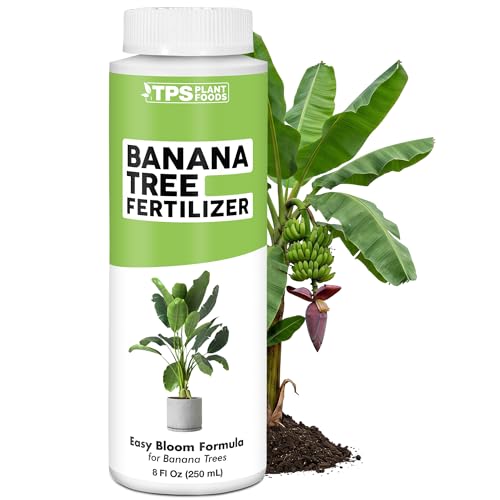
Made for Banana Trees – Specially formulated banana fertilizer designed to support the nutrient needs of banana plants.
Identifying Nutrient Deficiencies in Tamarind Trees
Understanding how to identify nutrient deficiencies in tamarind trees is crucial for successful cultivation, especially in Texas. These trees require specific nutrients to thrive, and recognizing the signs of deficiencies can help you take timely action. This section will guide you through the common symptoms and solutions to ensure your tamarind trees remain healthy and productive.
Watch for specific signs that may indicate nutrient deficiencies.
| Nutrient Deficiency | Symptoms |
|---|---|
| Nitrogen | Yellowing leaves |
| Phosphorus | Poor fruit development |
| Potassium | Leaf curling and browning tips |
Pest Control Strategies for Tamarind Trees
Managing pests is crucial for the health of tamarind trees grown in pots, especially in Texas’s unique climate. Effective pest control strategies can help ensure these trees thrive, allowing gardeners to enjoy their vibrant foliage and fruit. This section outlines practical methods to protect your tamarind trees from common pests and maintain their vitality.
Tamarind trees are susceptible to various pests and diseases, particularly in warm climates. Regular monitoring can help catch issues early.
Recommended Products
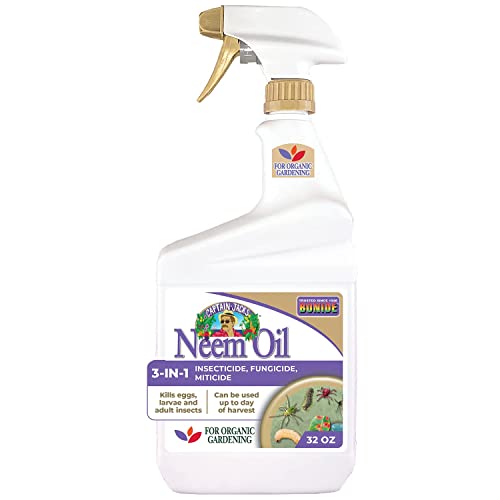
Protect your oasis with 3 garden products in 1 from Captain Jack’s; Bonide Captain Jack’s Ready-to-Use Neem Oil spray for plants is a multi-purpose fungicide, insecticide and miticide for your lawn & garden

PLANT DISEASE CONTROL: Natria Neem Oil acts as an insecticide and fungicide in one convenient spray; Ready-to-use trigger sprayer requires no mixing

FOR ORGANIC GARDENING - Captain Jack's NeemMax is a perfect pest control solution for any garden dealing with mites, flies, mildew, and more. This product is a four-in-one insecticide, fungicide, miticide, and nematicide.
Tamarind Tree Pest Management in Texas
Managing pests is crucial for the health of tamarind trees grown in pots in Texas. This section delves into common pests that affect these trees and offers effective strategies for prevention and control. By understanding these challenges, you can ensure your tamarind tree thrives in the Lone Star State.
Aphids: Small, green insects that can cluster on new growth.
Scale Insects: Small, hard bumps on stems and leaves.
Tamarind Tree Pest Control Methods
Maintaining healthy tamarind trees in pots requires vigilance against pests that can threaten their growth and vitality. In Texas, where climate conditions can attract various insects and diseases, understanding effective pest control methods is essential for any gardener. This section outlines practical strategies to protect your tamarind trees and ensure their flourishing in the Lone Star State.
Use insecticidal soap or neem oil for treatment.
Introduce beneficial insects like ladybugs for natural pest control.
Seasonal Tamarind Tree Care Strategies
Caring for tamarind trees in pots requires a tailored approach, especially in Texas’s diverse climate. Understanding seasonal needs is crucial for promoting healthy growth and fruit production. This section outlines effective strategies to ensure your tamarind trees thrive throughout the year, adapting to changing weather conditions and maximizing their potential.
Adapting care routines based on the season is essential for maintaining a healthy tamarind tree.
Tamarind Tree Care in Texas Heat
Caring for tamarind trees in Texas requires an understanding of the unique challenges posed by the state’s intense heat. Proper watering, soil management, and strategic placement are essential for these tropical trees to thrive in a pot. This section outlines effective care techniques tailored to the Texas climate, ensuring your tamarind tree flourishes despite the soaring temperatures.
Increase watering frequency as temperatures rise.
Fertilize regularly to support new growth.
Dormant Season Care for Tamarind Trees
Caring for tamarind trees during their dormant season is crucial for their health and future growth, especially in Texas’s unique climate. Understanding the specific needs of these trees during this period can help ensure they thrive when the growing season returns. This section outlines essential practices to maintain your tamarind tree’s vitality while it rests.
Reduce watering as the tree enters dormancy.
Protect the tree from frost by moving it indoors or using frost cloths.
Potting Tips for Texas Tamarind Trees
Successfully potting tamarind trees in Texas requires an understanding of the unique climate and soil conditions of the region. This section provides essential tips for selecting the right potting mix, ensuring proper drainage, and maintaining optimal growth conditions to help your tamarind thrive in a container setting. Follow these guidelines to cultivate a healthy and vibrant tree in your Texas garden.
Growing tamarind trees in pots in Texas can be rewarding with the right care and attention. Ensure you monitor soil moisture, select the appropriate pot size, and provide seasonal care.
Regularly check for pests and adjust fertilization as needed. This proactive approach will lead to a thriving tamarind tree that can produce delicious fruit and enhance your garden’s beauty.
