

Are you wondering when the best time is to prune your grapefruit trees in Florida? Picture this: you have a beautiful grapefruit tree in your backyard, but you’re not quite sure how to care for it properly. That’s where knowing the right pruning schedule comes in handy.
In this article, you’ll discover the essential tips and guidelines for pruning grapefruit trees in Florida. By understanding the ideal timing for pruning, you can ensure your tree stays healthy and produces delicious fruits. Let’s explore the best practices together to help your grapefruit tree thrive in the Florida sunshine.
Key Takeaways
- Pruning grapefruit trees in Florida is vital for their health and productivity.
- Proper pruning enhances tree health, stimulates fruit production, shapes tree structure, controls tree size, encourages sunlight penetration, and improves air circulation.
- Considerations for pruning include timing, using sharp tools, selecting branches, crown thinning, shaping and training, disease prevention, and consistent maintenance.
- Essential tools for pruning grapefruit trees include pruning shears, loppers, pruning saw, and pole pruners.
- Pruning techniques such as thinning the canopy, selective pruning, directional pruning, heading back, and making clean cuts are crucial for tree health.
- Signs indicating the need for pruning include an overgrown canopy, dead or diseased branches, crossing branches, weak growth, excessive suckers, lack of fruit production, misshapen canopy, and old or unproductive wood.
Importance of Pruning Grapefruit Trees
Pruning grapefruit trees is crucial to ensure they remain healthy and productive. Proper pruning enhances the tree’s structure, promotes air circulation, allows sunlight to reach all parts of the tree, and facilitates fruit development. Here is why pruning grapefruit trees in Florida is essential:
Enhances Tree Health
Pruning grapefruit trees removes dead or diseased branches, preventing the spread of infections and improving overall tree health. By eliminating weak or overcrowded branches, you help the tree focus its energy on producing healthy fruits.
Stimulates Fruit Production
Regular pruning stimulates new growth and flower production, leading to an increased yield of high-quality grapefruits. By eliminating excess branches, the tree can channel nutrients to the remaining fruit-bearing branches, resulting in larger and tastier fruits.
Shapes Tree Structure
Proper pruning helps shape the tree’s canopy, ensuring a balanced structure that can support heavy fruit loads. It also prevents branches from crossing or rubbing against each other, reducing the risk of damage and promoting optimal fruit growth.
Controls Tree Size
Pruning grapefruit trees controls their size, making it easier to manage and harvest fruits. By cutting back on excessive growth, you maintain the tree at a height that allows for convenient maintenance activities like watering, fertilizing, and harvesting.
Encourages Sunlight Penetration
Pruning opens up the canopy, allowing sunlight to reach all parts of the tree, including the inner branches. Adequate sunlight exposure promotes photosynthesis, which is essential for fruit development, color, and sweetness.
Improves Air Circulation
Thinning out branches through pruning improves air circulation within the tree, reducing the risk of fungal diseases and pest infestations. Proper airflow helps keep the tree healthy and less susceptible to common citrus tree ailments.
Properly timed and executed pruning can significantly benefit your grapefruit trees, ensuring they remain vigorous, bear abundant fruit, and enhance the overall aesthetics of your garden or orchard. Remember to follow best practices for pruning grapefruit trees in Florida to optimize their growth and fruiting potential.
Considerations for Pruning Grapefruit Trees in Florida
Maintaining your grapefruit trees in Florida is crucial for their health and productivity. Here are some essential considerations for pruning your grapefruit trees effectively:
Recommended Products

ULTRA SHARP - Much less effort to cut branches with our pruning shears. Crafted from premium SK5 steel with titanium coating, our garden scissors and garden clippers boast exceptional durability and sharpness. A perfect pruning shears for gardening and a must-have garden tool, hedge clippers pruners for gardening

· ULTRA-SHARP SK5 STAINLESS STEEL - Engineered with premium SK5 stainless steel, these heavy duty pruning shears deliver razor-sharp precision and maximum hardness. The rust-resistant blades are designed to stay sharp longer, effortlessly resisting corrosion and sap buildup for smooth, friction-free garden shears performance year after year.

AMBIDEXTROUS DESIGN: Pruner shape is designed for both right and left-handed use while pruning indoor & outdoor plants such as shrubs, ornamental trees, vines, & flowers like roses; SoftGrip handle reduces hand fatigue & enhances comfort and control
Pruning Time
Plan your pruning schedule carefully. Ensure that you prune your grapefruit trees at the right time to promote optimal growth and fruit production. Avoid pruning during the active growth periods as this can inhibit fruit production.
Tools and Equipment
Use sharp and clean pruning tools to prevent damage to the tree. Invest in quality pruning shears, loppers, and saws for precise and efficient cuts. Remember to sanitize your tools between each cut to reduce the risk of spreading diseases.
Branch Selection
Identify the branches that need pruning. Focus on removing dead, diseased, or crossing branches to improve air circulation and stimulate new growth. Prioritize pruning limbs that compete for space and light within the canopy.
Crown Thinning
Thin the canopy to allow for adequate sunlight penetration. Avoid overthinning to maintain the tree’s natural shape and protect it from sunburn. Target dense areas of the canopy for improved air circulation.
Shaping and Training
Shape your grapefruit trees to encourage a strong structure. Train new growth by pruning young shoots and branches for desired form and balanced growth. Maintain an open canopy to facilitate fruit development and harvesting.
Disease Prevention
Monitor your trees for signs of pests and diseases. Prune infected branches promptly to prevent the spread of infections. Dispose of diseased plant material properly to protect the overall health of your grapefruit trees.
Consistent Maintenance
Establish a regular pruning routine to keep your grapefruit trees healthy year-round. Inspect your trees periodically for any pruning needs and address them promptly. Stay proactive to ensure the long-term vitality of your citrus orchard.
Tools and Techniques for Pruning
To ensure the optimal growth and productivity of your grapefruit trees in Florida, it’s essential to apply the right tools and techniques when pruning. Proper pruning not only promotes tree health but also helps maintain an attractive and well-manicured appearance in your garden or orchard.
Recommended Products

Package Includes: Contents 1 Manual gardening grafting cutter and 2 rolls of 2 sizes of grafting tape, meeting your needs.
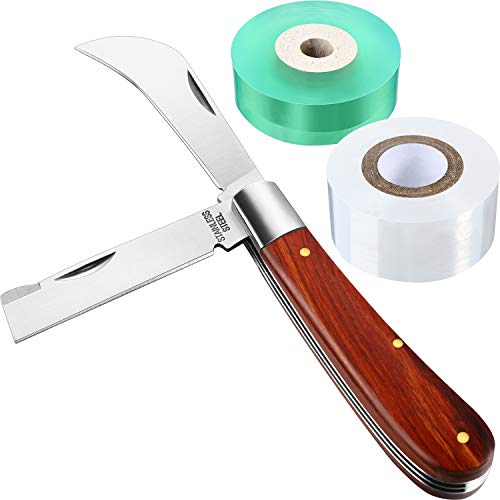
Package includes: you will get 1 double blades garden grafting knife and 2 rolls of grafting tapes in 2 sizes, ideal set for grafting budding, cutting, digging, sprouting, plants, weeding, cutting, sawing, etc.
![[6 Blades Enhanced] NAYE 2 in 1 Garden Grafting Tool Kit for Fruit Trees with Grafting Knife Grafting Tapes,Extra Replacement Blades Included,Professional Grafting Scissor Shear](https://m.media-amazon.com/images/I/51YugXFPuPS._SL500_.jpg)
Made from #65 stainless steel shear blades,high-strength ABS plastic,Japan SK5 double-edged cutting blades
Essential Tools for Pruning
When it comes to pruning your grapefruit trees, having the right tools at your disposal is key to achieving the desired results. Here are some essential tools you’ll need:
- Pruning Shears: Ideal for cutting small branches and twigs with precision.
- Loppers: Designed for cutting larger branches that pruning shears can’t handle.
- Pruning Saw: Useful for cutting thick branches that are too large for loppers.
- Pole Pruners: Essential for reaching high branches without the need for a ladder.
Pruning Techniques
Pruning grapefruit trees requires specific techniques to ensure proper growth and fruit production. Here are some essential techniques to keep in mind:
- Thinning the Canopy: Remove overcrowded branches to allow more sunlight to reach the inner parts of the tree, promoting fruit development.
- Selective Pruning: Carefully select which branches to prune to maintain the tree’s overall structure and health.
- Directional Pruning: Guide the growth of the tree by trimming branches in a specific direction to shape the canopy.
- Heading Back: Trim the ends of branches to encourage new growth and maintain the tree’s size.
- Clean Cuts: Always make clean cuts close to the branch collar to promote faster healing and minimize the risk of infection.
Maintenance and Care
After pruning your grapefruit trees, it’s essential to provide proper care to support their recovery and growth. Here are some tips to help you maintain healthy trees:
- Monitor for Diseases: Regularly inspect your trees for signs of pests or diseases and take prompt action if any issues are detected.
- Watering and Fertilization: Ensure your trees receive adequate water and nutrients to support their growth and fruit production.
- Consistent Pruning Schedule: Establish a regular pruning routine to maintain the health and vitality of your grapefruit trees throughout the year.
By employing the right tools and techniques for pruning your grapefruit trees in Florida, you can enhance their overall health, productivity, and aesthetic appeal, ensuring a bountiful harvest season after season.
Signs That Indicate the Need for Pruning
Identifying when your grapefruit trees in Florida need pruning is crucial to maintaining their health and promoting optimal fruit production. Here are some signs to look out for:
- Overgrown Canopy:
- Indicator: Dense foliage that limits sunlight penetration to lower branches.
- Action: Prune to thin out the canopy for improved air circulation and light exposure.
- Dead or Diseased Branches:
- Indicator: Presence of dead, damaged, or diseased branches with discoloration.
- Action: Prune these branches to prevent the spread of disease and encourage new growth.
- Crossing Branches:
- Indicator: Branches that rub against each other, causing damage.
- Action: Remove crossing branches to prevent injuries and enhance tree structure.
- Weak Growth:
- Indicator: Sparse foliage and stunted growth compared to the rest of the tree.
- Action: Prune to stimulate growth and redirect energy to healthier branches.
- Excessive Suckers:
- Indicator: Numerous vertical shoots growing from the base of the tree.
- Action: Remove suckers to focus the tree’s resources on productive growth.
- Lack of Fruit Production:
- Indicator: Limited or poor-quality fruit yield despite favorable conditions.
- Action: Prune to encourage flowering and fruiting wood development.
- Misshapen Canopy:
- Indicator: Uneven or irregular canopy structure.
- Action: Prune to maintain an appropriate tree shape and promote balanced growth.
- Old or Unproductive Wood:
- Indicator: Presence of aged wood that no longer produces fruit.
- Action: Prune to rejuvenate the tree by promoting the growth of new, fruit-bearing branches.
Regularly assessing your grapefruit trees for these signs will help you determine the optimal timing for pruning. By addressing these indicators promptly, you can ensure the overall health and productivity of your grapefruit trees in Florida.
Recommended Products

Heat-Treated Serrated Saw Blade: 8" saw blade designed for efficient cutting of branches and tough materials, ensuring sharpness and durability.

Adjustable and Durable Handle - Extendable Loppers: The lopping shears are adjustable from 16 inches to 24 inches, allowing you to handle tall branches easily. The iron arm is more sturdy and durable, and will not bend even when cutting large and thick branches.

★ 1. What you get: Professional convenient grafting tool set including a dual-use grafting pruner tool contain 2 extra replaceable blades, a wrench and a screwdriver, along with 36pcs wide rubber bands, 150 thick rubber bands and 1 grafting tape, packed in a black wallet to meet all your needs
Conclusion
Ensuring the health and productivity of your grapefruit trees in Florida is a rewarding task that requires attention to detail. By recognizing the signs that indicate the need for pruning, such as overgrown canopies and lack of fruit production, you can actively contribute to the well-being of your trees. Remember, timely pruning using proper techniques is key to maintaining tree vitality and encouraging abundant fruit production. Stay proactive in assessing your grapefruit trees’ condition and responding promptly to their needs through effective pruning practices. Your efforts will not only benefit the trees themselves but also result in a bountiful harvest for you to enjoy. Happy pruning!
Frequently Asked Questions
Why is pruning important for grapefruit trees in Florida?
Pruning is crucial for grapefruit trees in Florida to maintain tree health, encourage fruit production, and ensure proper sunlight and airflow penetration. It also helps in preventing diseases, reducing pest infestations, and shaping the tree for optimal growth.
What are the signs that a grapefruit tree in Florida needs pruning?
Signs that a grapefruit tree in Florida needs pruning include overgrown canopies, dead or diseased branches, weak growth, and reduced fruit production. Regular monitoring for these indicators allows timely pruning to maintain tree health and productivity.
What pruning techniques are recommended for grapefruit trees in Florida?
Recommended pruning techniques for grapefruit trees in Florida include thinning the canopy to allow sunlight penetration, selective pruning to maintain desired shape and structure, and removing dead or diseased branches to prevent further damage.
How often should grapefruit trees in Florida be pruned?
Grapefruit trees in Florida should ideally be pruned once a year during the late winter or early spring months when the tree is dormant. However, minor pruning can be done throughout the year to address immediate issues like dead branches or disease.
