

Have you ever looked at your fruit trees and wondered why they’re not producing as much fruit as you hoped? You’re not alone. Many gardeners face this challenge, often without realizing that proper pruning can make all the difference.
Key Takeaways
- Pruning Benefits: Proper pruning enhances the health, structure, and productivity of fruit trees by improving light penetration, air circulation, and disease prevention.
- Timing for Pruning: The best time to prune fruit trees is during their dormant season, typically late winter to early spring, which minimizes the risk of disease and promotes robust growth.
- Signs for Pruning: Indicators that your fruit trees need pruning include overcrowded branches, dead or diseased wood, weak branches, and decreased fruit production.
- Pruning Techniques: Use appropriate tools like pruning shears, loppers, and saws, and follow step-by-step techniques to safely and effectively prune your trees.
- Common Mistakes: Avoid over-pruning, which can stress the tree, and ensure you prune at the right time to maintain tree health and maximize fruit yield.
Understanding Pruning
Understanding how to prune fruit trees plays a crucial role in maximizing their yield and health. Proper pruning techniques enhance both fruit production and tree longevity.
Importance of Pruning Fruit Trees
Pruning fruit trees significantly improves their structure and overall health. By removing dead or crowded branches, you promote light penetration and air circulation. This practice reduces the risk of disease and fosters stronger growth. Pruning also helps shape the tree, ensuring better access for harvesting and maintenance. A well-pruned tree produces more fruit, which means a more bountiful harvest.
Benefits of Proper Pruning Techniques
Proper pruning techniques offer several benefits:
- Increased Yield: Regular pruning leads to higher fruit production. Focus on removing excessive foliage to direct energy to fruit-bearing branches.
- Enhanced Quality: Pruned trees often produce larger, healthier fruits. This improvement results from better sunlight exposure and improved airflow.
- Improved Tree Health: By eliminating sick or crowded branches, you prevent diseases from spreading. Healthy trees are more resilient to pests and environmental stressors.
- Safety and Accessibility: Pruning keeps branches away from structures and pathways. This practice ensures safe and easy access during harvesting or maintenance tasks.
Adopting proper pruning techniques creates a healthier ecosystem for your fruit trees, yielding a robust and fruitful harvest.
When to Prune Fruit Trees
Pruning fruit trees at the right time enhances their health and productivity. Understanding the seasonal timing and recognizing specific signs signals proper pruning.
Recommended Products

★ 1. What you get: Professional convenient grafting tool set including a dual-use grafting pruner tool contain 2 extra replaceable blades, a wrench and a screwdriver, along with 36pcs wide rubber bands, 150 thick rubber bands and 1 grafting tape, packed in a black wallet to meet all your needs


[Cut & Hold Pole Pruner for Tree Trimming] This long reach cut and hold pruner makes it easy to grip and remove branches, flowers, or fruit without dropping them. Perfect as a pole fruit picker for harvesting lemons, oranges, apples, or persimmons, and for trimming shrubs and bushes without climbing a ladder.
Seasonal Considerations
Prune during the tree’s dormant season, typically late winter to early spring. At this time, trees are less vulnerable to disease, and you can easily see their structure. Avoid pruning in the fall, as this can stimulate new growth that won’t harden off before winter. For specific types of trees, consider the following:
- Apple Trees: Prune in late winter or early spring before new growth starts.
- Peach Trees: Prune after the last frost, usually late winter.
- Citrus Trees: Prune in late winter to promote healthy spring growth.
Signs That Indicate Pruning is Needed
Look for these indicators to determine when to prune your fruit trees:
- Overgrowth: If branches crowd each other or the center of the tree, it’s time to prune for better air circulation.
- Dead or Diseased Branches: Removal of any dead or unhealthy branches prevents disease spread and encourages healthy growth.
- Weak Branches: Identify branches that are thin or poorly structured; these can be pruned to strengthen the overall framework.
- Poor Fruit Production: If the tree’s yield decreases, strategic pruning may help redirect resources to remaining fruiting branches.
By paying attention to these seasonal cues and signs, you set your fruit trees up for better growth and higher yields.
How to Prune Fruit Trees
Pruning fruit trees involves specific techniques and tools to ensure optimal growth and fruit production. Following the proper methods makes a significant difference in tree health and yield.
Recommended Products

Pruning Trees Shrubs and Vines No 54 By Gardenway Editors

Effortless Tree Cutting Operation: Designed for smooth and easy cutting of fruit trees, allowing you to finish girdling work with less effort

【Applicable Scenarios】 4-Pack Garden Scissors Set Whether you're caring for your garden, maintaining a community garden, working in a greenhouse, harvesting fruit trees, tending to flower bonsai, or participating in outdoor landscaping projects, these shears will help you complete tasks with precision and ease. They make a great gift for wives and mothers who love gardening.
Tools Needed for Pruning
Use the following tools to make your pruning efficient and effective:
- Pruning Shears: Ideal for small branches and precise cuts.
- Loppers: Suitable for thicker branches, providing leverage to cut effectively.
- Handsaws: Used for larger branches that require more power.
- Pruning Saw: Perfect for heavy-duty pruning on substantial branches.
- Safety Gear: Always wear gloves, goggles, and a hard hat for protection.
Make sure all tools are sharp and clean. Dull tools can damage branches and increase the risk of disease.
Step-by-Step Pruning Techniques
Follow these steps to prune fruit trees correctly:
- Assess the Tree: Look for signs of overgrowth, dead or diseased branches, and areas needing improvement.
- Remove Dead and Diseased Wood: Cut away any dead branches, as they can harbor pests and diseases.
- Thin Out the Canopy: Remove overcrowded branches to allow light and air to penetrate the tree’s interior. Aim for a well-balanced structure.
- Cut Back Unproductive Growth: Shorten weak branches or those that produce little fruit to encourage stronger growth.
- Shape the Tree: Focus on maintaining a central leader or open center, depending on the tree type. This promotes better sunlight exposure.
- Make Cuts at the Right Angle: Always cut just above a bud or lateral branch, at a 45-degree angle to promote healing.
Timely pruning enhances fruit yield and maintains tree health. Following these steps keeps your fruit trees thriving for years to come.
Common Mistakes to Avoid
Pruning fruit trees is a careful process, and avoiding common mistakes ensures healthy growth and fruitful harvests.
Recommended Products
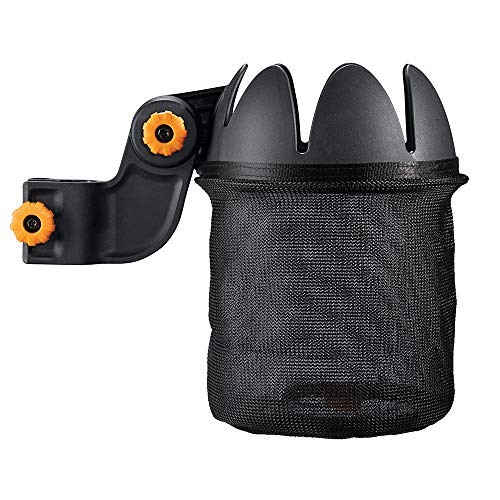
Fiskars Fruit Picker Basket harvests fruit from tall trees without bruising or scratching
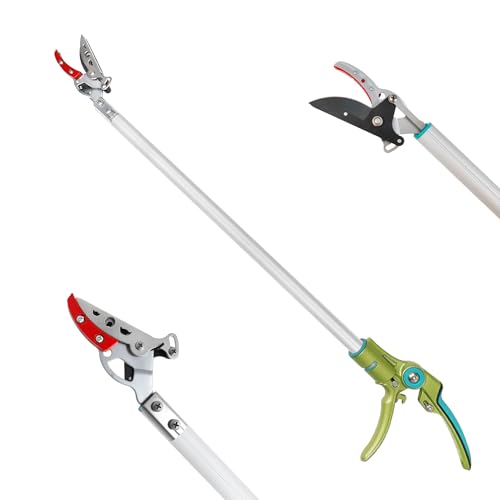
[REACH HIGH & STAY SAFE](No Ladder Required) Say goodbye to wobbly ladders! This 32inch long reach pole pruner offers an extra 30 inches of safe reach, allowing you to prune high branches or tall fruit trees while standing firmly on the ground. It’s the perfect extension tool for maintaining your backyard without the risk of falling.

Over-Pruning and Its Effects
Over-pruning leads to stress and weakens your fruit trees. You may think removing too many branches improves airflow and light penetration, but it actually disrupts the tree’s natural growth. Aim to remove only 20-30% of the tree’s canopy in one season to maintain balance. Signs of over-pruning include stunted growth, excessive sunlight exposure, and vulnerability to disease. Always assess the tree’s overall health and structure before taking cuts.
Incorrect Pruning Timing
Pruning at the wrong time can harm tree health and fruit production. Pruning during active growth in spring or summer reduces fruit yield and compromises the tree’s energy reserves. Focus on the dormant season, typically late winter to early spring, for optimal results. Different fruit trees, such as apples and peaches, have unique needs. Research your specific tree type to ensure you prune at the right time and avoid common seasonal pitfalls.
Conclusion
Taking the time to properly prune your fruit trees can make a world of difference in their health and productivity. By understanding the right techniques and timing you can set your trees up for a successful growing season. Remember to prune during their dormant phase and watch for signs that indicate when it’s time to get to work.
Avoid common mistakes like over-pruning and always prioritize the specific needs of your trees. With a little care and attention your fruit trees will reward you with a bountiful harvest year after year. Happy pruning!
Frequently Asked Questions
What is the importance of pruning fruit trees?
Pruning fruit trees is vital for enhancing fruit production and overall tree health. It promotes better light penetration, improves air circulation, reduces disease risks, and stimulates stronger growth, resulting in higher yields and quality fruit.
When is the best time to prune fruit trees?
The ideal time to prune fruit trees is during their dormant season, typically from late winter to early spring. This timing helps to safeguard new growth and ensures better health and productivity for the trees.
What tools are needed for pruning fruit trees?
Essential tools for pruning include pruning shears, loppers, handsaws, and pruning saws. Additionally, safety gear like gloves and goggles is recommended to ensure safety during the process.
How do I know if my fruit trees need pruning?
Signs that indicate your fruit trees may need pruning include overgrowth, dead or diseased branches, weak growth, and poor fruit production. Recognizing these signs helps maintain better tree health and yield.
What are common mistakes to avoid when pruning?
Common mistakes include over-pruning, which can stress trees, and pruning at the wrong time, compromising health and fruit output. Avoid removing more than 20-30% of the canopy in one season to maintain balance.
