

Growing mango trees in pots in New Jersey is feasible with the right care and conditions. These tropical plants thrive in warm temperatures and require specific attention to soil, sunlight, and watering to flourish in a cooler climate.
Best Mango Tree Varieties for Container Growth
When growing mango trees in pots, selecting the right variety is crucial for success, especially in New Jersey’s unique climate. Certain mango tree varieties thrive better in containers, offering both aesthetic appeal and delicious fruit. This section explores the best options for container growth, ensuring you can enjoy a fruitful harvest even in limited space.
Choosing the appropriate mango tree variety is crucial for successful growth in New Jersey. Some varieties are more suited for container growth and can adapt better to the local climate. Consider the following options:
Tommy Atkins: Known for its disease resistance and adaptability.
Haden: Offers a rich flavor and is also resilient.
Palmer: Grows well in containers and produces large fruit.
These varieties can provide a fruitful yield while remaining manageable in pot sizes.
Recommended Products
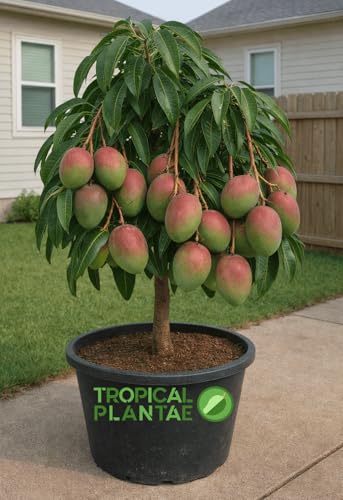
Imagine stepping outside your home and seeing a healthy mango tree growing stronger every season—one that doesn’t just decorate your yard, but adds real value to your daily life.
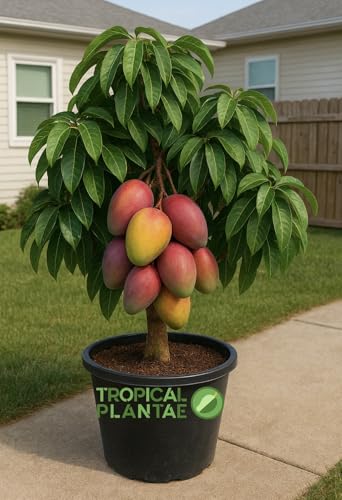
Imagine stepping into your backyard a few months from now and seeing a beautiful grafted Haden mango tree, growing stronger every day — a tree that will soon reward you with one of the most classic, flavorful mangoes ever grown.

Mango Keitt tree, scientifically known as Mangifera indica ‘Keitt’, produces large, flavorful mangoes with a sweet, tropical flavor and smooth texture. It reaches a height of 30 to 45 feet with dark green foliage and an upright, symmetrical shape.
Ideal Potting Soil Mix for Mango Trees
Choosing the right potting soil mix is crucial for the successful growth of mango trees in New Jersey. The ideal blend should provide excellent drainage, retain moisture, and supply essential nutrients. Understanding the specific requirements of mango trees will help you create an optimal environment for these tropical plants to thrive in a pot.
The right potting soil is essential for healthy mango trees. A well-draining mix will prevent root rot and promote growth. Here’s how to prepare the ideal soil:
Use a combination of potting soil, perlite, and sand.
Aim for a soil pH between 5.5 and 7.0.
Incorporate organic matter like compost for nutrients.
Potting Soil and Perlite Mixture
Choosing the right potting soil and perlite mixture is crucial for the health of mango trees grown in pots in New Jersey. The right blend ensures proper drainage and aeration, which are essential for the tree’s root development and overall growth. Understanding the ideal composition can help you cultivate thriving mango trees even in challenging climates.
Mix equal parts of potting soil and perlite.
Add a small amount of sand to enhance drainage.
Test the pH using a soil test kit and adjust if necessary.
| Component | Ratio |
|---|---|
| Potting Soil | 50% |
| Perlite | 30% |
| Sand | 20% |
Light and Temperature Guidelines for Mango Trees
Mango trees thrive in warm, sunny conditions, making their care in New Jersey a unique challenge. Understanding the specific light and temperature requirements is essential for successful cultivation in pots. This section provides expert advice tailored to the Garden State, ensuring your mango trees receive the right environment to flourish.
Mango trees require ample sunlight and warmth to thrive. In New Jersey, providing adequate light and temperature is essential for growth. Follow these guidelines:
Place pots in a location that receives full sun for at least 6-8 hours daily.
During colder months, consider moving pots indoors to maintain warmth.
Use grow lights if natural sunlight is insufficient.
Indoor Temperature Control for Potted Mango Trees
Maintaining the right indoor temperature is crucial for the health of potted mango trees, especially in New Jersey’s varying climate. Understanding how to regulate warmth and humidity will help ensure your mango trees thrive indoors, allowing you to enjoy their lush foliage and potential fruit production year-round. Here are key strategies to achieve optimal conditions for your potted mango trees.
Monitor indoor temperatures to stay above 60°F.
Use a thermometer to check pot temperatures.
Insulate pots with materials like bubble wrap during winter.
Mango Tree Watering and Fertilization Tips
Successfully growing mango trees in pots in New Jersey requires careful attention to watering and fertilization. These tropical plants thrive under specific conditions, and understanding their needs can significantly enhance their growth and fruit production. The following tips will guide you in providing the right care for your mango trees.
Proper watering and fertilization are key to healthy mango trees. Overwatering can lead to root rot, while under-watering can stress the plant. Here’s how to manage both:
Water thoroughly when the top inch of soil feels dry.
Use a balanced fertilizer during the growing season.
Reduce watering in winter when the tree is dormant.
Recommended Products

Package contains 4 Pounds organic fruit and citrus fertilizer grains and is produced to avoid wasteful runoff, mess, hazards and smells

🌳Olive & Fruit Trees: 6-4-6 fertilizer for fruit trees—ideal olive tree fertilizer for potted & outdoor trees; supports healthy growth and fruiting.

FOR USE ON: Use Citrus-tone organic fertilizer for all citrus trees, including lemon, lime, orange, Meyer Lemon Trees as well as for avocado & nut trees
Mango Tree Fertilization Timeline
Understanding the optimal fertilization timeline for mango trees is essential for successful growth, especially when cultivating these tropical plants in New Jersey’s unique climate. Proper timing and nutrient application can significantly impact fruit yield and tree health. This section outlines the key stages and best practices for fertilizing mango trees in pots throughout the growing season.
| Month | Fertilizer Type | Application Frequency |
|---|---|---|
| March | Balanced Fertilizer | Every 4 weeks |
| June | High Potassium | Every 6 weeks |
| September | Low Nitrogen | Monthly |
Container Mango Tree Pruning Techniques
Pruning is essential for maintaining the health and productivity of container mango trees, especially in New Jersey’s unique climate. Proper techniques can help shape the tree, encourage fruiting, and ensure it thrives in a limited space. This section will explore effective pruning methods tailored for mango trees grown in pots.
Pruning is essential for maintaining the shape and health of your mango tree in a pot. Regular pruning encourages better airflow and light penetration. Follow these steps:
Remove dead or damaged branches.
Shape the tree to promote a strong structure.
Limit height to keep it manageable in a pot.
Mango Tree Pruning Methods for New Jersey
Pruning is essential for maintaining healthy mango trees, especially when grown in pots in New Jersey’s unique climate. Proper techniques not only promote growth but also enhance fruit production and tree structure. Understanding the best pruning methods tailored to this region can significantly improve your mango tree’s health and yield.
Identify branches that cross or crowd each other.
Cut back to the main stem using sharp, clean shears.
Monitor growth and adjust as necessary.
Pests and Diseases Affecting Potted Mango Trees
Potted mango trees in New Jersey can face various pests and diseases that threaten their health and productivity. Understanding these challenges is crucial for gardeners looking to cultivate thriving mango plants in a less-than-ideal climate. This section delves into common issues and offers strategies for effective management.
Mango trees can be susceptible to pests and diseases, particularly in a non-tropical environment. Regular monitoring and preventive measures can help maintain health. Key issues include:
Aphids: Small insects that can damage leaves.
Powdery Mildew: Fungal disease that affects foliage.
Insecticidal Soap for Aphid Control
Aphids can pose a significant threat to mango trees grown in pots, especially in New Jersey’s unique climate. Utilizing insecticidal soap is an effective method for managing these pests, offering a safe and environmentally friendly solution. This section will delve into the benefits and application of insecticidal soap for controlling aphids on your mango trees.
Use insecticidal soap to control aphids.
Ensure good air circulation to prevent mildew.
Regularly inspect leaves and stems for early signs of trouble.
Mango Tree Care Tips for Container Growth
Caring for mango trees in pots requires specific attention to their unique needs, especially in New Jersey’s climate. This section provides essential tips on watering, fertilizing, and pruning to ensure your container-grown mango thrives. By following these guidelines, you can enjoy the beauty and potential fruit of your mango tree even in a challenging environment.
Growing mango trees in pots requires attention to detail and consistent care. Monitor light, temperature, and moisture levels closely. Regular pruning and pest management will keep your tree healthy and productive.
Be prepared for the challenges of growing a tropical plant in a temperate climate.
