

Have you ever looked at your fruit trees and wondered why they aren’t producing as much fruit as they used to? You’re not alone. Many gardeners face this issue, often without realizing that proper pruning is the key to revitalizing their trees.
Key Takeaways
- Understand the Importance of Pruning: Proper pruning enhances fruit production and tree health by improving sunlight exposure and airflow.
- Use the Right Tools: Equip yourself with appropriate pruning tools like hand pruners, loppers, and pruning saws, along with safety gear to ensure efficient and safe pruning.
- Prune During Dormant Season: The ideal times for pruning fruit trees are late winter or early spring when the trees are leafless, minimizing stress and promoting growth.
- Follow a Pruning Process: Assess tree structure, remove unwanted growth, thin out the canopy, shape the tree, and make clean cuts to ensure effective pruning.
- Avoid Over-Pruning: Limit your cuts to 20-30% of the tree’s canopy per season to prevent stress and maintain healthy fruit production.
- Respect Natural Structure: Pruning should enhance, not hinder, the tree’s natural growth patterns, ensuring a balanced and healthy canopy.
Understanding Pruning
Pruning plays a vital role in maintaining the productivity and health of your fruit trees. Proper techniques can significantly improve fruit yield and tree structure.
Importance of Pruning Fruit Trees
Pruning fruit trees directly affects their fruit production and overall vigor. You enhance sunlight exposure and airflow throughout the canopy by removing dead or overcrowded branches. This practice promotes healthy growth and can increase the quality of your fruit. Additionally, regular pruning trains trees to develop a strong structure, making them less susceptible to damage from wind and snow.
Benefits for Tree Health
Pruning offers several health benefits for fruit trees. It helps eliminate diseased, damaged, or infested branches, reducing the risk of pest infestations and fungal infections. A well-pruned tree encourages new growth, leading to more robust foliage and fruit development. It also stimulates the production of fruiting spurs, ensuring your tree remains productive over the years. To maintain optimal tree health, prune during the dormant season for most varieties, allowing you to assess the tree’s structure more easily.
Tools Needed for Pruning
Proper pruning requires specific tools to ensure precision and safety. Using the right equipment makes the process efficient and effective, enhancing your fruit tree’s health and productivity.
Recommended Products

IDEAL BRANCH TRIMMER: Fiskars 28-Inch Power-Lever Bypass Garden Lopper glides through branches up to 1.75" thick for easy cuts; Works well for trimming tree branches to maintain your yard and garden and encourage overall plant health and appearance

Cut Live Branches Up to 1.5 Inches Thick: This bypass tree trimmer is perfect for trimming green wood, helping you keep your yard tidy, promote healthy plant growth, and enhance the beauty of your outdoor space

Versatile Cutting Applications: Suitable for precision pruning of branches, tall hedges, and dense bushes, as well as delicate tasks like pruning flowers and harvesting fruit
Essential Pruning Tools
- Hand Pruners: Hand pruners, or bypass pruners, are ideal for cutting small branches and stems up to ¾ inch thick. Look for ones with a sharp blade for clean cuts.
- Loppers: Loppers are like larger hand pruners. They’re perfect for reaching higher branches and cutting thicker limbs up to 2 inches wide. Choose a pair with long handles for extra leverage.
- Pruning Saw: For branches thicker than 2 inches, a pruning saw is necessary. A folding saw is convenient and portable, making it easy to carry while working.
- Pole Pruner: This tool helps you reach tall branches without the need for a ladder. Look for adjustable models that allow you to extend the pole for better access.
- Rake and Tarps: Rakes help gather fallen leaves and debris. Tarps facilitate easy cleanup, making disposal of cuttings simple and efficient.
- Gloves: Wear sturdy gloves to protect your hands from cuts, scrapes, and thorny branches. Choose gloves with a good grip for better control.
- Safety Glasses: Safety glasses shield your eyes from flying debris while cutting branches. They prevent injury from splinters or falling twigs.
- Long Sleeves and Pants: Opt for long sleeves and pants to protect your skin from scratches and insect bites while working among branches.
- Sturdy Footwear: Wear closed-toe shoes or boots with good traction. They protect your feet and help you navigate uneven ground safely.
Having the right tools and safety gear makes pruning easier and safer. Prepare these items before you start, ensuring a productive and enjoyable pruning session.
Steps to Prune Fruit Trees
Pruning fruit trees involves specific steps that ensure both effective results and the health of the tree. Follow these guidelines for optimal pruning outcomes.
Recommended Products

★ 1. What you get: Professional convenient grafting tool set including a dual-use grafting pruner tool contain 2 extra replaceable blades, a wrench and a screwdriver, along with 36pcs wide rubber bands, 150 thick rubber bands and 1 grafting tape, packed in a black wallet to meet all your needs


UPGRAFE PROFESSIONAL GARDENING GRAFTING TOOLS: Professional grafting set, including 2 in 1 grafting pruning tools, 3 replaceable blades, a grafting knife, a pruning shears, a screwdriver, a wrench, 3 grafting films, and 45 colorful tag cards
Timing for Pruning
Prune fruit trees during their dormant season, typically late winter or early spring. This timing minimizes stress on the tree and promotes vigorous growth. For example, pruning cherry or apple trees works best when they are leafless but the frost has passed. If you notice any signs of disease, address those branches immediately, regardless of the season.
- Assess the Tree Structure: Evaluate the overall health and shape of the tree. Look for dead, damaged, or crossing branches.
- Remove Unwanted Growth: Cut away any wilted or diseased branches. Removing these prevents diseases from spreading and encourages new growth.
- Thin Out the Canopy: Snip back dense areas to improve airflow and sunlight penetration. Focus on inward-facing branches to open the center of the tree.
- Shape the Tree: Maintain a balanced structure by cutting back overly long branches. Aim for a vase-like shape that allows space for sunlight.
- Make Clean Cuts: Use sharp tools to create smooth cuts at a 45-degree angle. This promotes healing and reduces the risk of infection.
- Limit Your Cuts: Avoid removing more than 20-30% of the tree’s total canopy in one season. Over-pruning can lead to stress and reduced fruit production.
- Encourage New Growth: Identify and promote healthy buds by cutting just above them. New growth promotes fruitful branches.
By following these steps, you strengthen your fruit trees and enhance overall yield.
Common Mistakes to Avoid
Pruning can significantly enhance fruit tree health and productivity. Avoiding common mistakes helps ensure successful results.
Recommended Products
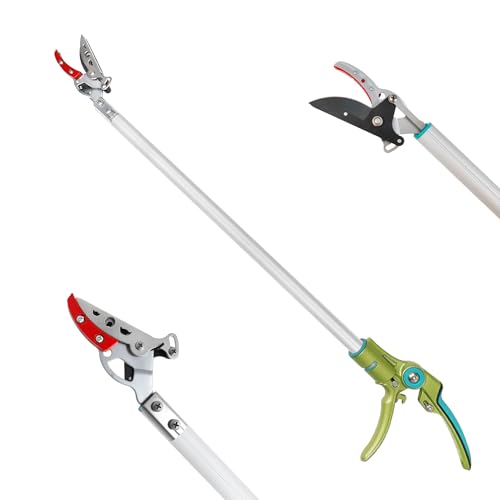
[REACH HIGH & STAY SAFE](No Ladder Required) Say goodbye to wobbly ladders! This 32inch long reach pole pruner offers an extra 30 inches of safe reach, allowing you to prune high branches or tall fruit trees while standing firmly on the ground. It’s the perfect extension tool for maintaining your backyard without the risk of falling.

Package Includes: Contents 1 Manual gardening grafting cutter and 2 rolls of 2 sizes of grafting tape, meeting your needs.

Over-Pruning Issues
Over-pruning leads to several problems. Removing too many branches stresses the tree, resulting in reduced fruit yield and increased vulnerability to diseases. Aim to remove only about 20% of the tree’s overall structure each season. Focus on removing dead, damaged, and crossing branches instead of cutting away healthy wood. For example, if you notice a branch growing inward towards the center, trim it, but leave the outward-growing limbs intact. This balance maintains a healthy tree while encouraging fruit production.
Ignoring Tree Structure
Ignoring the natural structure of the tree creates imbalances. Proper pruning respects a tree’s form and promotes healthy growth patterns. Assess how the branches are positioned before making cuts. For instance, if branches grow too closely together, thin them out to improve airflow while keeping a balanced shape. Follow the three-dimensional growth habit of the tree, maintaining its natural canopy. Consistent observation helps you identify any structural issues to address during the pruning process.
Conclusion
Taking the time to properly prune your fruit trees can make a world of difference in their health and productivity. By following the right techniques and using the proper tools you can encourage vibrant growth and bountiful harvests. Remember that patience is key; trees need time to respond to your care.
As you head into the pruning season keep in mind the importance of safety and the joy that comes from nurturing your garden. With each snip you’re not just shaping a tree but also investing in a fruitful future. Embrace the process and enjoy watching your trees thrive year after year. Happy pruning!
Frequently Asked Questions
What is the importance of pruning fruit trees?
Pruning is crucial for the health and productivity of fruit trees. It enhances sunlight exposure and airflow within the canopy, leading to better growth, improved fruit quality, and increased yields. Regular pruning also develops a strong tree structure, making it less prone to damage and disease.
When is the best time to prune fruit trees?
The best time to prune most fruit trees is during the dormant season, typically in late winter or early spring. This timing minimizes stress on the tree and allows for easier assessment of its structure before new growth begins.
What tools do I need for pruning fruit trees?
Essential tools for pruning include hand pruners for small branches, loppers for thicker limbs, pruning saws for larger branches, and pole pruners for high areas. Don’t forget safety gear like gloves and safety glasses to protect yourself while working.
What are common pruning mistakes to avoid?
Common mistakes include over-pruning, which can stress the tree and reduce fruit yield, and neglecting the tree’s natural shape. Aim to remove only about 20% of the tree’s structure each season, focusing on dead or damaged branches while ensuring adequate airflow.
How does pruning affect fruit production?
Pruning directly impacts fruit production by removing diseased or infested branches, which reduces pest and disease risks. It encourages new growth and the formation of fruiting spurs, resulting in higher yields and better fruit quality over time.
