

Have you ever planted an olive tree only to find it stubbornly refusing to bear fruit? You’re not alone. Many gardeners face this frustrating challenge, wondering what they might be missing in their care routine.
Key Takeaways
- Optimal Growing Conditions: Olive trees require well-drained, sandy or loamy soil with a pH of 6 to 8, and at least six hours of direct sunlight daily to promote healthy growth and fruit production.
- Watering and Fertilization: Deep watering (1 to 2 inches weekly) is crucial, with an emphasis on allowing soil to dry between watering sessions. Fertilize using nitrogen-rich options in spring and balanced fertilizers if fruiting is low.
- Pruning Techniques: Regular pruning in late winter or early spring helps improve air circulation and sunlight exposure, reduces overcrowding, and encourages fruiting wood while avoiding heavy cuts that stress the tree.
- Pest and Disease Management: Monitor for pests like the olive fruit fly and manage fungal diseases by ensuring good airflow and proper watering practices. Use organic pesticides and fungicides as necessary to protect your trees.
- Climate Considerations: Olive trees thrive in Mediterranean-like climates with hot, dry summers and mild winters. Cold-resistant varieties and protective measures should be used in areas prone to extreme cold.
- Addressing Environmental Stressors: Mitigate issues such as temperature extremes, insufficient sunlight, and poor drainage by selecting appropriate planting locations and amending soil as needed to create an ideal growing environment for your olive trees.
Understanding Olive Tree Growth
Understanding how olive trees grow helps in promoting fruit production. Olive trees thrive in well-drained soil and require a sunny location with at least six hours of direct sunlight daily. Poor drainage or insufficient light can stunt growth and delay fruiting.
Life Cycle Stages
- Germination: Seeds sprout after planting. Ideal temperatures range from 70°F to 80°F.
- Juvenile Stage: Young trees focus on root development. This stage lasts for about 3 to 5 years.
- Mature Stage: Trees begin to produce flowers and fruit. Expect this at around 3 to 5 years, depending on the variety and care.
Factors Affecting Growth
- Soil Quality: Use well-draining soil. Avoid heavy clay.
- Watering: Water deeply but infrequently. Mature trees tolerate drought better than overwatering.
- Fertilization: Apply a balanced fertilizer once in spring and again in late summer. This supports growth and improves fruit yield.
- Pruning: Regular pruning encourages air circulation and sunlight access. Remove dead or crowded branches.
Common Pests and Diseases
- Olive Fruit Fly: Monitor your trees for signs of infestation. Use traps or organic pesticides to manage this pest.
- Fungal Diseases: Ensure adequate airflow to prevent fungal infections. Treat affected areas with fungicides as needed.
Climate Considerations
Olive trees prefer Mediterranean climates. They thrive in regions with hot, dry summers and mild, wet winters. If your area experiences extreme cold, consider planting cold-hardy varieties.
Understanding these elements of olive tree growth will enhance your chances of achieving a fruitful harvest.
Ideal Conditions for Olive Trees
Olive trees thrive under specific conditions that promote healthy growth and fruit production. Ensuring these conditions can significantly increase your chances of harvesting olives.
Recommended Products

100% Natural: Special custom blend for olive trees in containers

✅ 🌿 Unleash Olive Tree Excellence: Our premium potting mix enhances growth, health, and productivity, resulting in flourishing olive trees.

100% Natural: Special custom blend for olive trees in containers
Soil Requirements
Well-drained soil is crucial for olive trees. Sandy or loamy soils work best, providing adequate drainage while retaining some moisture. Aim for a pH level between 6 and 8, as this range supports optimal nutrient uptake. If your soil lacks drainage, consider planting in raised beds or adding organic matter to improve drainage. Mixing in sand or gravel can enhance soil structure and prevent waterlogging.
Climate Preferences
Olive trees prefer warm climates typical of Mediterranean regions. They flourish in temperatures ranging from 60°F to 80°F. Ensure your olive trees receive at least six hours of direct sunlight per day to encourage healthy growth and fruit set. For colder regions, select more cold-resistant varieties, and consider planting trees in sheltered locations to protect them from harsh winds and frosts.
Best Practices for Olive Tree Care
To encourage olive trees to produce fruit, focus on proper care techniques that cater to their specific needs.
Recommended Products
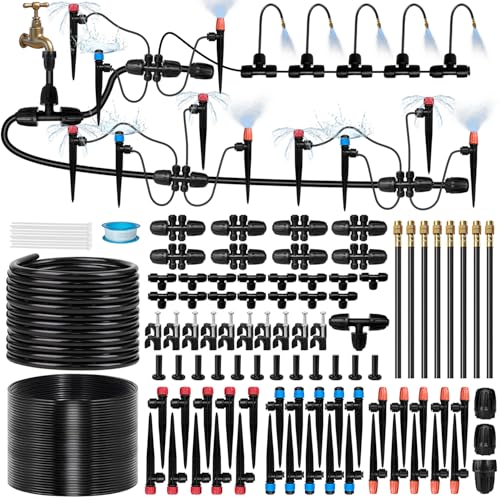
【Upgraded Tube Design & Water Saving】 Our garden watering system is upgraded to 1/2” diameter to support high water pressure. The 1/2” tee connector allows seamless splitting into 2 independent zones for customized watering schedules. By delivering moisture directly to root zones, this drip Irrigation system significantly reduces evaporation and runoff—saving more water compared to conventional sprinklers while eliminating the need for manual watering.

Be a Gardening Master with the help of our superior and complete Drip Irrigation Kit: 50ft flexible & durable PVC 5/16" Irrigation Tubing + 50ft 1/4" Drip Distribution Tubing + 2 x Female Thread Water Connectors for 5/16" Mainline + 20 Barbed Drip Emitters Stream + 10 Barbed Drip Emitters Vortex + 4 x 1-Way, 6 x 2-Way and 2 x 4-Way Barbed Splitters from 5/16" to 1/4" + 5 x 1/4" Tubing Tee Splitters + 2 x 5/16" Mainline End Plugs + 5 x 1/4" Distribution Tubing End Plugs
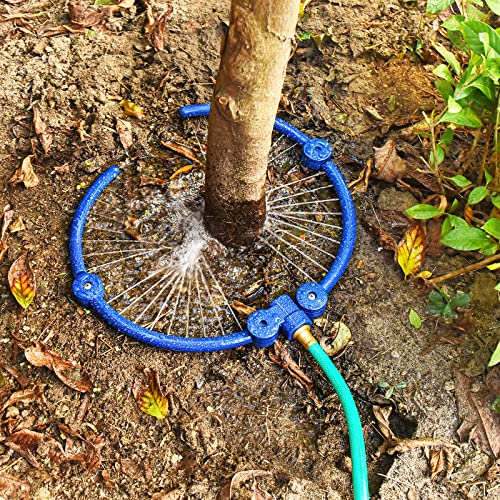
【Specially Designed for Trees and Shrubs】 The Watering Ring is a multi-purpose irrigation ring that attaches to a garden hose to efficiently water young trees shrubs vegetables or flower beds using drip or trickle irrigation.It directs water to the root perimeter of the plant to give them a good start during the first two growing seasons or through periods of drought.
Watering Techniques
Water olive trees deeply, providing about 1 to 2 inches of water weekly during dry periods. Ensure soil is dry to the touch before watering again. Drip irrigation systems can effectively deliver moisture directly to roots. Avoid overwatering, as this can lead to root rot. During the first three years, water young trees more frequently to help establish strong roots. Once established, olive trees prefer slightly drier conditions.
Fertilization Tips
Apply fertilizer in early spring before the growing season starts. Use a nitrogen-rich fertilizer to promote growth, usually at a rate of 1 to 2 pounds per tree, depending on size. Consider using organic options like compost or well-rotted manure. If fruit production seems low, switch to a balanced fertilizer containing equal parts nitrogen, phosphorus, and potassium. Test soil pH to ensure it falls between 6 and 8 for optimal nutrient uptake.
Pruning Strategies
Prune olive trees annually in late winter or early spring. Focus on removing dead or crowded branches to improve air circulation. Maintain an open canopy to allow sunlight to reach all parts of the tree. Cut back heavy growth to encourage fruiting wood, and ensure cuts are clean to promote healing. Avoid heavy pruning, as this can stress the tree. Focus on shaping the tree while allowing natural growth patterns to flourish.
Common Problems and Solutions
Understanding the challenges that can hinder olive tree fruit production helps you take effective steps toward resolving them. Here are some common issues you might encounter, along with solutions that can guide your efforts.
Recommended Products

Yellow Sticky Traps -- Bright yellow color attract flying insects, and high quality glue keeps them from escaping. Specially designed for flying plant pests. Great for outdoor or indoor plant, especially potted plants.
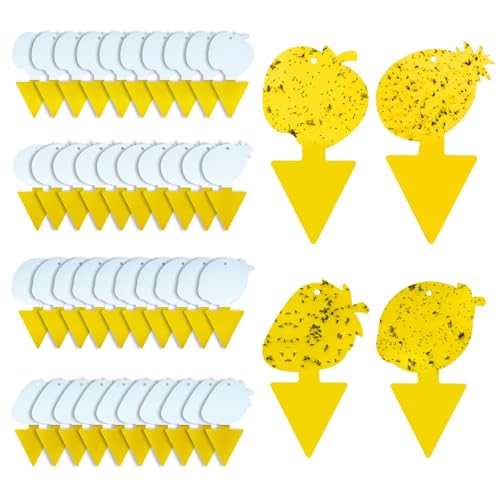
Powerful Insect Control: Captures fruit flies, gnats, whiteflies, aphids, midges, and other small flying pests using bright yellow color and extra-sticky glue

Attracts greater & lesser Peach Tree Borers (Synanthedon exitiosa) as well as many other clearwing moth species
Pests and Diseases
Pests and diseases can significantly impact olive trees and their ability to bear fruit. Here are key threats to watch for:
- Olive Fruit Fly: This insect lays eggs in the fruit, leading to decay. To combat this, use traps and monitor trees regularly. Applying an organic insecticide can also be effective if infestations occur.
- Fungal Infections: Fungi can cause leaf drop and affect fruit set. It’s crucial to ensure good air circulation and avoid overhead watering. If fungal issues arise, fungicidal sprays can help manage the situation.
- Nematodes: These microscopic worms can damage roots and stunt growth. Testing soil for nematodes and using resistant rootstocks can minimize the risk.
Environmental Stressors
Environmental factors often play a critical role in olive tree productivity. Here are solutions to common environmental stressors:
- Temperature Extremes: Olive trees prefer temperatures between 60°F and 80°F. If you live in a region with extreme cold, consider using row covers or planting in sheltered spots. Choosing cold-resistant varieties can also help.
- Insufficient Sunlight: Olive trees thrive on at least six hours of direct sunlight daily. If your trees are shaded, trim back nearby plants or choose a different planting location to improve sunlight exposure.
- Poor Soil Drainage: Well-drained soil is essential for healthy growth. If your soil retains water, you can amend it with organic matter or plant in raised beds to enhance drainage.
Addressing these common problems and environmental stressors maximizes the potential for your olive trees to produce fruit. Implement these solutions to create a healthy, fruitful growing environment for your trees.
Conclusion
Getting your olive trees to bear fruit is all about creating the right environment and providing the proper care. By ensuring they receive enough sunlight and water while maintaining good soil quality, you’re setting the stage for a fruitful harvest.
Don’t forget about regular pruning and keeping an eye out for pests and diseases. With a little patience and attention, your olive trees can thrive and reward you with delicious olives. Enjoy the journey of nurturing your trees and watch as they flourish over time. Happy gardening!
Frequently Asked Questions
Why won’t my olive tree produce fruit?
Many factors can affect olive tree fruit production, including inadequate sunlight, poor soil quality, and improper care. Olive trees need at least six hours of direct sunlight and thrive in well-drained sandy or loamy soils. Additionally, environmental stressors like extreme temperatures or pests can hinder fruiting.
How do I ensure my olive trees receive proper care?
To ensure optimal growth, plant olive trees in well-drained soil with a pH of 6 to 8. Water deeply, providing 1 to 2 inches weekly during dry periods, and apply nitrogen-rich fertilizer in spring. Regular pruning in late winter or early spring is also essential.
What pests commonly affect olive trees?
The most common pests affecting olive trees include the olive fruit fly and various nematodes. Fungal infections can also develop under poor conditions. Regular monitoring and implementing pest management practices are crucial for healthy fruit production.
What is the ideal climate for growing olive trees?
Olive trees thrive in warm climates, ideally between 60°F and 80°F, similar to Mediterranean conditions. Protect them from harsh winds and frost, especially in colder regions, by selecting cold-resistant varieties and planting in sheltered locations.
How can I improve olive tree soil drainage?
If your olive tree’s soil drainage is poor, consider using raised beds or incorporating organic matter like compost. This helps enhance drainage and supports healthy root development, which is essential for fruit production.
When should I prune my olive trees?
Prune olive trees in late winter or early spring to remove dead or crowded branches. This practice improves air circulation, encourages fruitful wood, and helps maintain the tree’s natural growth shape, ultimately leading to better fruit production.
How much sunlight do olive trees need?
Olive trees require at least six hours of direct sunlight daily for optimal growth and fruiting. Insufficient sunlight can impede their ability to produce fruit, so ensure they are planted in a well-lit area.
What should I do if my olive tree shows signs of disease?
If your olive tree exhibits signs of disease, such as wilting or abnormal growth, identify the problem promptly. Use appropriate treatments for specific pests or diseases, improve air circulation, and ensure proper watering practices to promote recovery.
