

Have you ever wondered why some cherry trees seem to burst with fruit while others stand bare? If you’re considering planting cherry trees in your garden, you might be curious about the role of male trees in fruit production.
Key Takeaways
- Male Cherry Trees Do Not Produce Fruit: They play a vital role in pollination but do not bear cherries themselves.
- Pollination is Key: Sweet cherry varieties need cross-pollination from male trees or compatible sweet cherry varieties to produce fruit.
- Variety Matters: Choosing the correct cherry tree varieties, such as planting ‘Bing’ with ‘Lapins,’ enhances your garden’s fruit yield.
- Fostering a Suitable Environment: Cherry trees thrive in well-draining soil with at least six hours of sunlight daily.
- Promote Pollinators: Encourage bees and other pollinators by planting complementary flowers and supporting their habitats for better fruit production.
- Pruning for Health: Regular pruning of cherry trees promotes healthy growth and increases potential fruit yield.
Understanding Cherry Trees
Cherry trees belong to the genus Prunus and primarily produce two categories of cherries: sweet cherries and sour cherries. Typically, sweet cherries (Prunus avium) thrive in warmer climates, while sour cherries (Prunus cerasus) are more cold-tolerant. The correct species affects fruit yield and growth habits.
Cherry trees have both male and female flowers. Female flowers produce fruit, while male flowers contribute to pollination. Most sweet cherry varieties require cross-pollination, which means having multiple trees in your garden enhances fruit set. If you plant only male trees, they won’t produce fruit.
Pollination is crucial for fruit production. For optimal yield, at least one compatible male tree or another sweet cherry variety must be nearby. Sour cherries, on the other hand, often self-pollinate, so they may not need a male tree for fruit production.
Common Cherry Tree Varieties
- Bing Cherry: A popular sweet cherry variety known for its large, dark red fruit. Requires cross-pollination.
- Lapins Cherry: A sweet variety that’s self-pollinating, ideal for smaller gardens.
- Montmorency Cherry: A leading sour variety known for its bright red color and tart flavor. Often self-pollinating.
- Pollination: Ensure you plant compatible varieties. For instance, planting a Bing cherry tree along with a Rainier cherry tree increases the chance of fruitful growth.
- Location: Cherry trees prefer well-draining soil and full sunlight. Choose a location with at least six hours of direct sunlight daily.
- Maintenance: Regular pruning encourages healthy growth and better airflow. Consider pruning during late winter or early spring before buds break.
Fostering the right environment for your cherry trees, combined with proper care, boosts your chances of producing abundant fruit.
Male vs. Female Cherry Trees
Cherry trees consist of both male and female varieties, with each playing a distinct role in fruit production. Understanding their differences can help you choose the right trees for your garden.
Recommended Products
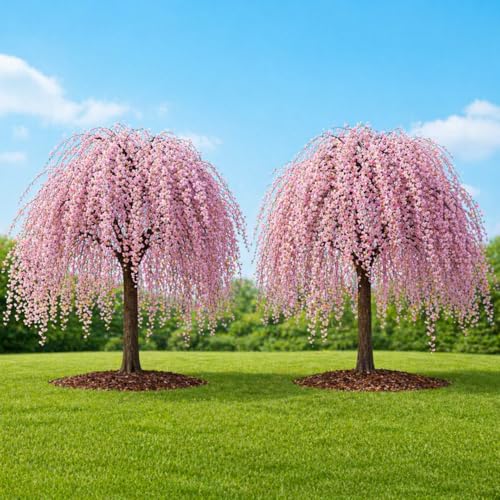
WHAT YOU WILL RECEIVE: 2 Cherry blossom tree live plant approximately 6 - 12 inches tall, prepared for transplanting into garden soil or outdoor containers

Live Barbados Cherry Plants: Receive live cherry tree plants, 5–7 inches tall, ready for planting and growing in your garden.
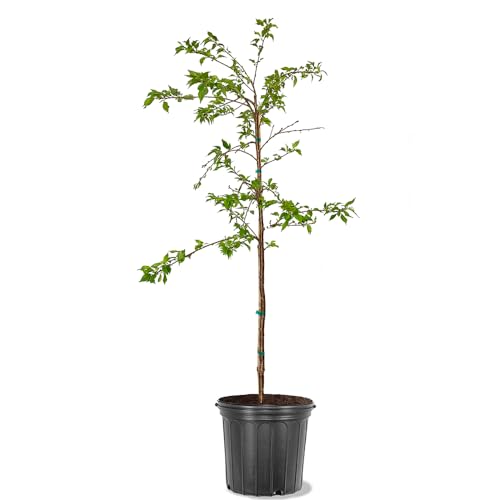
Care Requirements: Plant in well-drained soil with full sun exposure, provide regular watering during establishment and dry periods, and prune in late winter or early spring to maintain shape and health
Characteristics of Male Cherry Trees
Male cherry trees produce flowers that contain pollen but do not produce fruit. These trees focus on supporting pollination, which is essential for female trees to yield cherries. Male trees typically have abundant flowers that attract bees and other pollinators, enhancing cross-pollination. Common male varieties include the ‘Stella’ and ‘Lapins’ cherry trees, both valued for their pollen. Planting one male tree per three to four female trees promotes effective pollination.
Characteristics of Female Cherry Trees
Female cherry trees bear fruit but often require pollen from male trees to do so. These trees produce the cherries you enjoy eating, either sweet or sour, depending on the variety. Female cherry trees, such as ‘Bing’ and ‘Montmorency,’ thrive when a compatible male tree is nearby for optimal pollination. These trees produce flowers designed to capture pollen, increasing the likelihood of fruit development. In most cases, planting at least one male tree with several female trees ensures a successful harvest.
Do Male Cherry Trees Produce Fruit?
Male cherry trees do not produce fruit. They primarily serve a crucial role in pollination. Understanding this function clarifies the dynamics of cherry tree reproduction.
Recommended Products
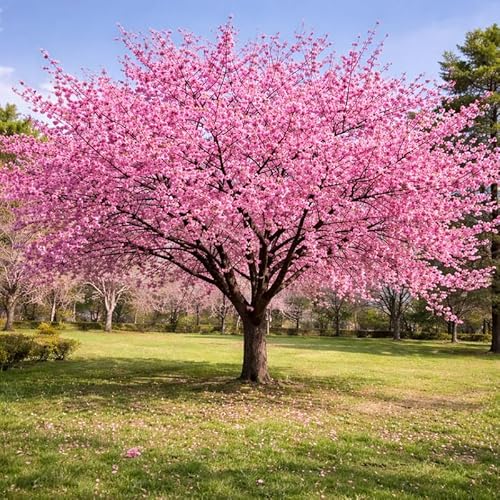
WHAT YOU WILL RECEIVE: 1 Cherry blossom tree live plant approximately 6 - 10 inches tall, prepared for transplanting into garden soil or outdoor containers

[Lush Double Blooms in Mixed Shades] Produces clusters of fully double flowers with 10-30 petals per bloom. Flowers appear in a range of shades from soft pink to rich rose. Each branch becomes covered in cascading floral clusters.
Scientific Explanation
Cherry trees belong to the genus Prunus. They have male and female flowers. Male trees produce pollen necessary for fertilizing female flowers. When pollen from a male tree reaches a female flower, fertilization occurs, leading to fruit production. Most sweet cherry varieties, such as ‘Bing’, require cross-pollination from compatible male varieties like ‘Lapins’ to set fruit, while sour cherries may self-pollinate.
Common Misconceptions
A common misconception is that male cherry trees contribute to fruit production. While they don’t yield fruit themselves, they significantly impact the overall harvest of female trees. Also, many think that all cherry trees bear fruit. In reality, you need both male and female trees to achieve full fruit potential, with one male tree supporting three to four females for optimal results.
Importance of Pollination
Pollination plays a crucial role in the fruit production of cherry trees. Effective pollination ensures that female trees produce cherries, while male trees are essential for supplying the necessary pollen.
Recommended Products
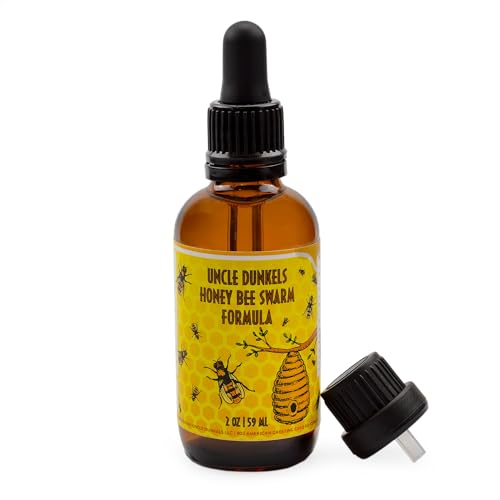
Designed to Attract Honey Bees to Treated Areas: Formulated with natural pheromones and plant-based compounds, this formula provides a recognizable scent that helps honey bees locate ideal environments.

【NATURAL BEE ATTRACTANT】: This outdoor spray is specially formulated to attract bees to your garden naturally.
Role of Bees and Other Pollinators
Pollinators, like bees, make a significant impact on cherry tree fruit production. Honeybees, bumblebees, and other insects visit flowers to collect nectar and pollen. During this process, they transfer pollen from male flowers to female flowers, allowing fertilization to occur.
- Honeybees: These bees are among the most efficient pollinators. They actively forage for pollen and nectar on warm, sunny days, which aligns with cherry blossom periods.
- Bumblebees: Known for their ability to buzz-pollinate, bumblebees vibrate their bodies to release pollen effectively. Their activity increases pollination rates significantly.
- Other Pollinators: Butterflies and certain flies can also contribute, though they’re not as effective as bees.
To support these beneficial insects, plant flowers that bloom alongside your cherry trees. Providing food sources and habitats encourages them to thrive in your garden, boosting pollination rates.
Conclusion
Understanding the role of male and female cherry trees is key to enjoying a fruitful garden. While male trees don’t produce cherries themselves they’re crucial for pollination. By planting the right combinations and fostering a welcoming environment for pollinators you can ensure your female trees thrive and bear delicious fruit.
So when you’re planning your cherry tree garden remember to include a male tree or two. It’ll make all the difference in how many cherries you get to enjoy each season. Happy gardening and here’s to a bountiful cherry harvest!
Frequently Asked Questions
Why do some cherry trees produce more fruit than others?
Cherry trees produce varying amounts of fruit based on factors like pollination, tree variety, and environmental conditions. Male trees are crucial for pollination, as many sweet cherry varieties require pollen from a male tree to bear fruit. Ensure you plant compatible varieties and provide optimal care to enhance fruit production.
What are the two main types of cherries?
The two main types of cherries are sweet cherries and sour cherries. Sweet cherries thrive in warmer climates, while sour cherries are more cold-tolerant. Knowing which type to plant depends on your local climate and desired use for the cherries.
How does pollination affect cherry tree fruit production?
Pollination is essential for cherry trees, particularly for sweet varieties that need pollen from male trees. Effective pollination results in a higher yield of cherries. It’s important to have the right mix of male and female trees to ensure proper pollination for fruitful harvests.
Can sour cherry trees self-pollinate?
Yes, most sour cherry trees can self-pollinate, meaning they can produce fruit without needing pollen from a male tree. This characteristic makes them easier to grow, especially in smaller gardens where space for multiple trees may be limited.
What is the role of male cherry trees?
Male cherry trees produce pollen but do not bear fruit themselves. They play a crucial role in pollination, which is necessary for female trees to produce cherries. It’s recommended to plant one male tree for every three to four female trees for effective pollination.
How do I select the right location for planting cherry trees?
When planting cherry trees, choose a location with well-draining soil and plenty of sunlight. This ensures healthy growth and improves the chances of fruitful harvests. Regular care, including watering and pruning, is also vital for their success.
Which cherry tree varieties are popular for planting?
Popular cherry tree varieties include Bing, Lapins, and Montmorency. Bing cherries are known for their sweetness, while Montmorency cherries are preferred for baking. Selecting the right variety is important based on your taste preferences and local climate.
What can I do to improve pollination for my cherry trees?
To improve pollination, plant flowers that bloom at the same time as your cherry trees to attract pollinators like bees and butterflies. Creating a welcoming environment for these beneficial insects enhances their activity, leading to better fruit production in your cherry trees.
