

Have you ever planted a fruit tree and wondered when you’d finally get to enjoy its delicious harvest? You’re not alone. Many gardeners find themselves eagerly anticipating that first bite of homegrown fruit, but the waiting game can be frustrating.
Understanding how long it takes for fruit trees to bear fruit can help you set realistic expectations and plan your garden better. In this article, you’ll learn about the factors that influence fruiting times for different types of trees. With this knowledge, you can choose the right varieties and enjoy the satisfaction of a fruitful garden sooner than you think.
Key Takeaways
- Time to Bear Fruit: Most fruit trees typically take 3 to 6 years to produce fruit, with variations depending on species and growing conditions.
- Species-Specific Timelines: Common fruit trees have distinct timelines; for example, apple trees (3-5 years), peach trees (3-4 years), and citrus trees (3-5 years) can help set realistic expectations.
- Growing Conditions Matter: Optimal soil, sunlight, and water significantly influence the speed of fruit production. Ensure trees receive 6 to 8 hours of sunlight and consistent moisture.
- Choose the Right Varieties: Selecting fast-bearing and climate-appropriate fruit tree varieties can accelerate fruit production and enhance gardening success.
- Proper Care Techniques: Regular watering, fertilization, pruning, and pest monitoring are essential for fostering healthy growth and maximizing fruit yield.
- Consider Grafted Rootstock: Trees grafted onto specific rootstocks may produce fruit sooner, along with proper care and favorable environmental conditions.
Understanding Fruit Trees
Understanding fruit trees involves knowing their growth habits and timelines. Different species of fruit trees take distinct amounts of time to bear fruit.
Types of Fruit Trees
- Apple Trees: Generally bear fruit within 3 to 5 years. Semi-dwarf varieties may bear fruit sooner.
- Pear Trees: Typically produce fruit in 4 to 6 years. Some early-bearing varieties can yield fruit as early as 3 years.
- Cherry Trees: Sweet cherry trees need about 4 to 6 years to bear fruit, while sour cherry varieties may produce in 3 to 5 years.
- Peach Trees: Usually bear fruit in 3 to 4 years, depending on the specific variety. Certain cultivars may be faster.
- Citrus Trees: Commonly bear fruit in 3 to 5 years, with dwarf varieties often producing sooner.
Factors Influencing Fruiting Time
- Tree Variety: Some varieties are bred for quicker fruit production.
- Growing Conditions: Good soil, adequate water, sunlight, and proper maintenance contribute to faster growth.
- Climate: Favorable climates enhance growth rates. Tropical and subtropical regions often support quicker bearing.
- Rootstock: Trees grafted onto certain rootstocks may produce sooner than those on standard rootstock.
Tips for Encouraging Fruit Production
- Select Appropriate Varieties: Research local fruit tree varieties that perform well in your area.
- Maintain Trees Properly: Regular pruning, watering, and fertilizing help support healthy growth.
- Monitor Pests and Diseases: Protect your trees from insects and diseases that can hinder growth and fruit production.
- When can I expect my fruit tree to bear fruit? Expect 3 to 6 years, based on species and care.
- Can I speed up fruit production? While you can’t rush nature, proper care can optimize growth conditions.
By understanding these factors, you can set realistic expectations and better prepare for your future harvests.
Factors Influencing Time to Bear Fruit
Multiple factors affect how long fruit trees take to bear fruit. Understanding these elements helps you choose the right trees and optimize their growth.
Recommended Products

FORMULATED FOR CITRUS AND FRUIT TREES: Use these citrus fertilizer spikes on apple, orange, lemon, lime, and avocado trees; this formula is also great for feeding palm trees
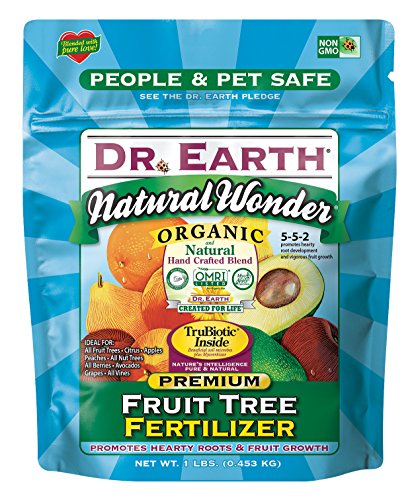
100% organic & natural hand crafted blend

Balanced Organic Nutrition – Supplies a 6‑3‑3 NPK ratio along with calcium, sulfur, iron, and zinc to foster healthy foliage, flowering, and fruit.
Tree Species
Different tree species have varied timelines for fruiting. Here are common fruit trees and their typical timelines:
- Apple Trees: 3 to 5 years
- Pear Trees: 4 to 6 years
- Cherry Trees: 3 to 6 years, depending on the variety
- Peach Trees: 3 to 4 years
- Citrus Trees: 3 to 5 years
Selecting the right species for your location and climate enhances fruit-bearing potential.
Growing Conditions
Optimal growing conditions accelerate fruit production. Key factors include:
- Soil Quality: Well-draining, nutrient-rich soil promotes healthy root development and faster fruiting.
- Sunlight: At least 6 to 8 hours of direct sunlight per day is essential for fruit trees to thrive.
- Watering: Consistent moisture without waterlogging keeps trees healthy. Aim for deep watering during dry spells.
- Temperature: Most fruit trees prefer a temperate climate with defined seasons. Extreme heat or cold can delay fruiting.
By paying attention to these conditions and making necessary adjustments, you can support faster growth and earlier fruiting in your trees.
Average Timeframes for Common Fruit Trees
Understanding the timeframes for various fruit trees helps you set realistic expectations for your garden. Here’s a breakdown of how long you can expect to wait for some popular fruit trees to bear fruit.
Recommended Products

Golden Red Peach tree seedling, approximately 6-9 inches tall, shipped growing in a half-gallon pot and ready for transplanting into containers, gardens, or small orchards.

Fragrant Flowers: Bloom blossoms that provide precious nectar for pollinators like bees, creating your own romantic orchard with heavy fruit and rich flavor

Due to agricultural laws, we cannot ship to CA, AZ, AK, or HI - orders will be refunded if you ship to one of these states
Apples
Apple trees typically bear fruit in 3 to 5 years after planting. Standard varieties often take longer, while dwarf varieties may produce fruit sooner. Factors like soil quality, sunlight, and proper pruning can influence the timeline. Consistent care and monitoring for pests can also enhance fruit production.
Oranges
Orange trees usually begin to bear fruit after 3 to 5 years. However, mature trees might produce more consistently and yield larger harvests. Choosing appropriate rootstock can affect the growth rate. Ensure that trees receive adequate sunlight and water for optimal fruiting.
Peaches
Peach trees generally start producing fruit in 3 to 4 years. Varieties like Freestone can yield quicker results compared to Clingstone types. Ensure proper spacing and sunlight exposure to encourage healthy growth. Regular pruning and disease monitoring can further promote earlier harvesting.
Tips for Reducing Time to Fruit Bearing
You can take specific actions to help your fruit trees bear fruit sooner. Focus on proper care, maintenance, and selecting the right varieties to enhance your gardening success.
Proper Care and Maintenance
Provide proper care to your fruit trees for healthier growth.
- Water Regularly: Water trees deeply and consistently during dry spells. A deep soaking encourages strong root development.
- Fertilize Appropriately: Use a balanced fertilizer to enrich your soil, particularly during the growing season. Follow the manufacturer’s instructions for application rates.
- Prune Regularly: Prune your trees to improve air circulation and sunlight penetration. Pruning also helps focus energy on fruit production rather than excess growth.
- Mulch Effectively: Apply mulch around the base of your trees to retain moisture and suppress weeds. This helps reduce competition for nutrients.
- Monitor for Pests and Diseases: Check for signs of pests or diseases regularly. Treat any issues promptly to maintain tree health.
Choosing the Right Varieties
Selecting the right fruit tree varieties can speed up the fruiting process.
- Opt for Fast-Bearing Varieties: Choose varieties known for quick production, like early peach or dwarf apple trees. These tend to bear fruit within 2 to 3 years.
- Consider Climate Adaptation: Select trees suited to your local climate. Trees adapted to your conditions grow more effectively and produce fruit sooner.
- Look for Self-Pollinating Options: Choose self-pollinating varieties when space is limited or when planting multiple trees isn’t feasible. These varieties often set fruit without needing another tree for cross-pollination.
- Purchase Established Trees: Buy nursery trees that are already a few years old. These trees generally start fruiting sooner than younger saplings.
By focusing on these aspects, you can significantly reduce the time it takes for your fruit trees to start bearing fruit.
Conclusion
Growing fruit trees is a rewarding journey that requires patience and care. By understanding the timelines and factors that influence fruit production you can make informed choices that lead to a fruitful garden. Remember to consider the specific needs of each tree variety and provide the right conditions for growth.
With a little bit of effort and attention to detail you can enjoy the sweet rewards of your labor. Whether you’re planting apple trees or citrus trees the wait will be worth it when you finally harvest your homegrown fruits. Happy gardening and may your trees thrive and produce bountifully!
Frequently Asked Questions
How long does it typically take for fruit trees to bear fruit?
Most fruit trees take between 3 to 6 years to produce their first harvest. For example, apple and peach trees generally bear fruit in 3 to 5 years, while pear trees may take 4 to 6 years. The time can vary based on tree variety and growing conditions.
What factors influence the fruiting time of trees?
Fruiting time is influenced by several factors, including tree variety, growing conditions, climate, and rootstock. Soil quality, sunlight, watering, and temperature also play critical roles in how quickly a tree begins to produce fruit.
Can I speed up the fruit-bearing process for my trees?
Yes, you can encourage faster fruit production by selecting fast-bearing varieties, ensuring proper care, and creating optimal growing conditions. This includes regular watering, appropriate fertilization, effective mulching, and regular pruning.
What are some tips for maintaining my fruit trees?
To maintain healthy fruit trees, ensure adequate sunlight, water consistently, prune regularly, and monitor for pests and diseases. These practices not only promote growth but also help in preventing potential issues that could hinder fruit production.
Are there specific varieties of fruit trees that bear fruit faster?
Yes, certain varieties are known for quicker yields. For example, Freestone peach trees often produce fruit faster than Clingstone varieties. Choosing the right species based on your climate can also help accelerate fruiting times.
