

Have you ever wondered if you need two kiwi plants to enjoy their delicious fruits? Picture this: you’ve planted a single kiwi vine in your garden, eagerly anticipating a bountiful harvest, only to find disappointment when no fruits appear. The question lingers in your mind – is a solitary plant enough to yield those juicy kiwis you crave?
In this article, we’ll explore the intriguing world of kiwi plants and unravel the mystery surrounding their fruit production. You’ll discover the essential factors that influence fruiting in kiwi plants and whether having a companion plant is the key to a successful harvest. By the end, you’ll have a clearer understanding of what it takes to ensure a fruitful outcome in your kiwi garden.
Key Takeaways
- Kiwi plants are dioecious, requiring both male and female plants for fruit production.
- Cross-pollination between male and female plants enhances fruit set and quality.
- Maintaining a ratio of one male plant for every 4-8 female plants is recommended for optimal pollination.
- Hand pollination can be used as a backup method to ensure successful fertilization.
- Understanding and meeting the pollination requirements of kiwi plants is essential for maximizing fruit yield.
Understanding Kiwi Plant Reproduction
When it comes to growing kiwi plants, understanding their reproduction process is key to ensuring a successful harvest. In the world of kiwis, having two plants is often a topic of discussion. Let’s uncover the mysteries of kiwi plant reproduction to shed light on this common query.
Kiwi Plant Sexuality
Kiwi plants are dioecious, meaning they have separate male and female plants. The male plants produce pollen, while the female plants bear fruit. Pollination is crucial for fruit development, requiring pollen from a male plant to reach the female flowers.
Cross-Pollination Benefits
While some kiwi varieties are self-fertile, having both male and female plants in your garden promotes better fruit set and quality. Cross-pollination between plants of different genetic backgrounds enhances fruit production and can result in larger and more abundant fruits.
Single Plant Limitations
If you have only one kiwi plant and it’s a female, it won’t produce fruit without access to pollen from a male plant. In such cases, hand pollination is an option, but having a male plant nearby simplifies the process and increases the chances of a successful harvest.
Male vs. Female Plants
Identifying the sex of kiwi plants is crucial for proper cultivation. Female plants have larger flowers with a stigma in the center, while male plants have smaller flowers with pollen-laden anthers. By having both male and female plants, you ensure a harmonious pollination process.
Planning Your Kiwi Garden
To optimize fruit production, consider planting at least one male kiwi plant for every 4-8 female plants. This ratio encourages effective pollination while preventing overcrowding in your garden. Be sure to choose kiwi varieties that are compatible for cross-pollination.
- Plant Pairing: Pair up male and female kiwi plants for better fruit yield.
- Pollination: Ensure proper cross-pollination for quality fruit production.
- Garden Planning: Maintain a suitable ratio of male to female plants for optimal results.
Pollination Requirements of Kiwi Plants
Understanding the pollination requirements of kiwi plants is crucial for successful fruit production. Kiwi plants are dioecious, meaning they have separate male and female plants. To ensure fruit development, you typically need one male plant for every 6-8 female plants in your garden. Here’s what you need to know:
Recommended Products

Perfect Pollination Match 🤝 – Includes 2 male Tomuri and 2 female Vincent vines for reliable kiwi fruit production.

MATURE SIZE & CARE GUIDE: Vine can reach up to 30 feet, suited for USDA Hardiness zones 8-10. Requires full sun and well-drained soil with average watering needs. Ensure proper care during the fall/winter dormancy period, providing protection from extreme cold and keeping on the drier side.

These Vigorous plants are hardy to zone 5, easy to grow, and produce a whole lot of grape sized kiwi once they get going!
Male Kiwi Plants
Male kiwi plants play a vital role in pollination. They produce pollen necessary for fertilizing the flowers on female plants. Without the presence of a male plant, female flowers won’t be pollinated, leading to no fruit production. Male plants are known for their abundant and consistent pollen production throughout the blooming season.
Female Kiwi Plants
Female kiwi plants are responsible for bearing fruit but require pollen from male plants for pollination. A single female kiwi plant can produce fruit only when adequately pollinated with high-quality pollen from a nearby male plant. The quality and quantity of fruit are directly influenced by successful pollination.
Cross-Pollination
Cross-pollination between male and female kiwi plants is key to optimal fruit set and higher quality yields. The pollen transfer from male to female flowers ensures fertilization, leading to the development of flavorful kiwi fruits. Having a good ratio of male to female plants in your garden promotes efficient cross-pollination, enhancing fruit production.
Hand Pollination
In cases where natural pollinators like bees are limited, hand pollination can be a practical solution. By manually transferring pollen from the male flowers to the stigma of female flowers, you can ensure successful fertilization and fruit formation. Hand pollination can be a beneficial technique for maximizing fruit yield in kiwi plants, especially in smaller gardens.
- Plant one male kiwi plant for every 6-8 female kiwi plants for optimal fruit production.
- Cross-pollination is essential for fruit development and quality.
- Consider hand pollination as a backup method for ensuring successful pollination.
- Maintaining the right balance of male and female plants in your garden is crucial for productive fruiting in kiwi plants.
By understanding and implementing the pollination requirements of kiwi plants, you can enhance fruit yield and enjoy a bountiful harvest from your garden.
Do You Need Two Kiwi Plants for Fruit Production?
For fruit production, you need both male and female kiwi plants due to their dioecious nature. Male plants are crucial as they provide the pollen necessary to fertilize the female flowers, leading to fruit formation. It’s recommended to maintain a ratio of one male plant for every 6-8 female plants to ensure optimal fruit set and quality.
If you have only female kiwi plants in your garden, they won’t be able to produce fruit without the presence of a male plant for pollination. Cross-pollination between male and female plants is essential for the development of kiwi fruits. Without this pollination process, the female flowers won’t turn into fruits, resulting in a lack of harvest.
To maximize fruit yield, it’s important to have the right balance of male and female kiwi plants in your garden. While the female plants bear the fruit, the male plants play a crucial role in enabling this fruit production through pollination. Without the pollen from male plants, the female flowers remain unfertilized, leading to unsuccessful fruit development.
In cases where natural pollinators are scarce, such as bees, you can resort to hand pollination as a backup method. This involves transferring pollen from the male flowers to the female flowers manually, ensuring that fertilization takes place for fruit production to occur successfully. By understanding and meeting the pollination requirements of kiwi plants, you can enhance fruit yield and enjoy a bountiful harvest from your garden.
Recommended Products

MATURE SIZE & CARE GUIDE: The Prolific Hardy Kiwi Vine can reach 20-25 feet in length when fully matured, or 12 feet if grown in a container. Thrives in full sun to partial shade and requires well-drained soil with average watering needs. Cold tolerant to USDA Zone 4, making it ideal for colder climates.

COMPLETE MALE AND FEMALE PAIR: Includes one Tomuri male pollinator and one Vincent female fruiting kiwi vine. Planting both cultivars together supports cross-pollination and gives the female vine the potential to produce fruit once mature.
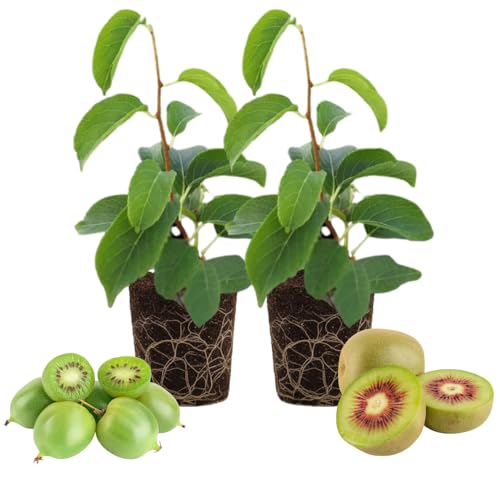
Set of 2 Hardy Kiwi plants, live rooted starter vines 4-6" tall
Ensuring Fruit Production in Kiwi Plants
To ensure successful fruit production in your kiwi plants, it’s crucial to understand and address their specific needs for pollination. Here are some key steps to help you maximize fruit yield:
Recommended Products

These Vigorous plants are hardy to zone 5, easy to grow, and produce a whole lot of grape sized kiwi once they get going!

TWO COMPLETE POLLINATION PAIRS: Includes two Tomuri male pollinators and two Vincent female fruiting kiwi vines. Each male-and-female combination supports cross-pollination and gives the female vines the potential to produce fruit once mature.

VARIETY PAIRING: Includes both Anna (female) and Meader (male) hardy kiwi cuttings for successful pollination and fruit production in your home garden. This MUST be used to propagate plants; cuttings do not have roots.
Maintaining a Balanced Ratio of Male and Female Plants
To promote fruit formation, make sure you have a good balance of male and female kiwi plants in your garden. For every 6-8 female plants, you should have one male plant to provide the essential pollen for fertilization.
Importance of Cross-Pollination
Male kiwi plants play a vital role in fertilizing the female flowers, leading to fruit development. Without the presence of male plants, female kiwi plants won’t be able to produce fruit naturally. Therefore, cross-pollination is crucial for ensuring a successful harvest.
Hand Pollination as a Backup Method
In cases where natural pollinators are scarce, you can resort to hand pollination as a backup method. This involves transferring pollen from the male flowers to the female flowers by hand to facilitate fertilization. Hand pollination can help supplement natural pollination and increase fruit set.
Maximizing Fruit Yield and Quality
By meeting the pollination requirements of your kiwi plants and ensuring a healthy ratio of male to female plants, you’ll be able to maximize fruit yield and quality. Proper pollination plays a significant role in the development of healthy and flavorful kiwi fruits.
Conclusion
By maintaining a balanced ratio of male and female kiwi plants, understanding the importance of cross-pollination, and being prepared to hand pollinate when necessary, you can ensure optimal fruit production in your kiwi garden. Following these steps will help you harvest a bountiful crop of delicious kiwis.
Conclusion
Ensuring you have both male and female kiwi plants is vital for fruitful harvests. Maintaining the right ratio of male to female plants is key for optimal fruit set. Remember, cross-pollination plays a crucial role in fruit development, with hand pollination as a backup option. By understanding and meeting the pollination needs of your kiwi plants, you can enhance your fruit yield. Keep in mind the importance of a balanced ratio of male and female plants, the role of cross-pollination in fruit formation, and the use of hand pollination to ensure a bountiful harvest of delicious kiwis.
Frequently Asked Questions
Why is it important to have both male and female kiwi plants for fruit production?
Having both male and female kiwi plants is vital because kiwis are dioecious, requiring cross-pollination between genders for successful fruit set. One male plant is recommended for every 6-8 female plants to ensure optimal fruit production.
What role does cross-pollination play in kiwi fruit development?
Cross-pollination is essential for kiwi fruit development as it facilitates the transfer of pollen between male and female plants, leading to successful fertilization and fruit formation.
When should hand pollination be considered for kiwi plants?
Hand pollination should be considered for kiwi plants when natural pollinators are limited or when environmental conditions hinder effective cross-pollination, ensuring a backup method for fruit set and yield optimization.
What is the significance of maintaining a balanced ratio of male and female kiwi plants?
Maintaining a balanced ratio of male and female kiwi plants is crucial to promote successful fruit production through adequate pollination and fertilization, ensuring a plentiful harvest of flavorful kiwis.
Why is understanding and meeting kiwi plants’ pollination requirements essential for maximizing fruit yield?
Understanding and meeting kiwi plants’ pollination requirements are essential to optimize fruit yield by ensuring effective fertilization and fruit development through proper cross-pollination and maintenance of male and female plant ratios.
