

Ever wondered how many juicy peaches you can expect from your very own peach tree? If you’re dreaming of a bountiful harvest or just curious about what to expect, you’re in the right place.
Key Takeaways
- Average Yield per Tree: Peach trees produce between 100 to 300 peaches per season, with mature trees yielding significantly more than younger ones.
- Factors Influencing Production: Key factors include tree age, variety, growing conditions (like soil quality and climate), and regular care practices.
- Climate and Soil Conditions: Peach trees thrive in warm climates with well-drained sandy loam soil to maximize growth and fruit quality.
- Best Practices for Care: Implement regular pruning, proper fertilization, adequate watering, and pest management to enhance tree health and increase yields.
- Commercial vs. Home Yields: Commercial peach trees can yield between 600 to 1,200 peaches per tree due to advanced agricultural practices, whereas home garden trees typically yield 100 to 300 peaches each season.
- Choosing the Right Variety: Selecting a peach variety suited to your local climate can significantly boost potential yields and overall harvest success.
Overview Of Peach Tree Production
Peach trees typically produce 100 to 300 peaches per tree each season. Many factors determine this yield, including tree age, variety, growing conditions, and care practices.
Factors Affecting Production
- Tree Age: Young peach trees may bear fewer fruits, often starting at about 50 peaches. Mature trees, usually over four years old, can produce significantly more, sometimes exceeding 300 peaches.
- Variety: Different peach varieties yield various amounts. Freestone peaches often produce more than clingstone types.
- Growing Conditions: Well-drained soil with good sunlight maximizes peach production. Optimal conditions increase potential yields.
- Care Practices: Regular pruning, proper watering, and fertilizing directly affect the fruit yield. Consistent care leads to healthier trees and a more abundant harvest.
Seasonal Yield
During the growing season, the yield can fluctuate. In optimal conditions, a fully mature tree typically produces fruits around July to September. Pests and disease can affect this seasonal yield, impacting overall production.
- Choose the Right Variety: Select a peach variety suited to your climate and soil type.
- Regular Pruning: Trim trees annually to encourage airflow and sunlight penetration.
- Monitor Water Levels: Ensure consistent moisture without waterlogging. Deep watering encourages robust growth.
- Fertilize Appropriately: Use balanced fertilizers in the spring to promote healthy growth.
- Pest Control: Implement integrated pest management practices to protect your crop.
By understanding these factors and implementing effective practices, you can significantly enhance the production of your peach tree, enjoying a bountiful harvest.
Factors Affecting Fruit Yield
Several factors impact the quantity of peaches your tree produces each season. Understanding these factors helps in maximizing your harvest.
Recommended Products

Down to Earth Fruit Tree is a five pound box of all natural fertilizer with 6-2-4 formula and is listed by the Organic Materials Review Institute (OMRI) for use in organic production

Let our professionally formulated plant food help your fruit tree grow healthy, strong AND abundantly producing
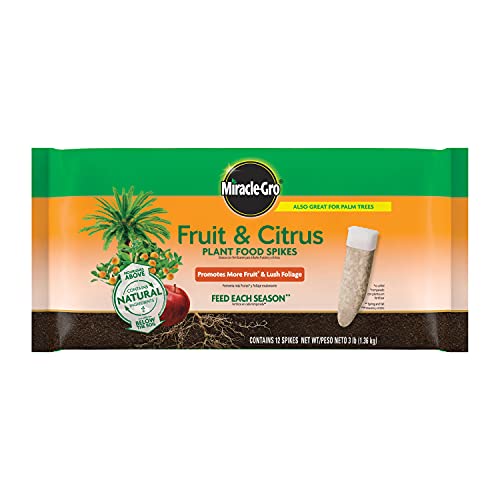
FORMULATED FOR CITRUS AND FRUIT TREES: Use these citrus fertilizer spikes on apple, orange, lemon, lime, and avocado trees; this formula is also great for feeding palm trees
Tree Age and Variety
Tree age significantly influences peach production. Young trees, around 2-3 years old, often yield about 50 peaches. By the time they reach maturity at around 5-6 years, yields can increase to between 100 and 300 peaches, depending on the variety. Some varieties, like ‘Elberta’ and ‘Cresthaven’, typically produce more fruit than others, such as ‘Hale Haven’. Selecting a high-yield variety suited to your climate boosts potential production.
Climate Conditions
Climate affects peach tree health and productivity. Peach trees thrive in regions with warm summers and cold winters. Ideal conditions include temperatures between 75°F and 85°F during the growing season. A late spring frost can damage blooms and reduce fruit set. Ensuring your tree receives adequate sunlight—at least 6-8 hours daily—enhances fruit production. Locations with consistent rainfall prevent stress and encourage robust growth.
Soil Quality
Soil quality plays a crucial role in fruit yield. Well-drained, sandy loam with a pH between 6.0 and 7.0 promotes healthy tree growth. Soil that retains moisture but drains excess water helps avoid root rot. Conducting a soil test allows you to add necessary amendments, such as compost or fertilizers, enhancing nutrient availability. Regular mulching helps maintain soil moisture and suppress weeds, supporting better yields.
By focusing on tree age, choosing the right variety, ensuring suitable climate conditions, and maintaining good soil quality, you can significantly increase your peach harvest.
Average Yield Estimates
Peach tree yields vary widely based on several factors. Understanding these averages helps you set realistic expectations for your harvest.
Recommended Products

Due to agricultural laws, we Cannot Ship to CA, AZ, AK, or HI - orders will be refunded if you ship to one of these states


Thrives in well-drained soil, ensuring optimal growth conditions and longevity.
Commercial Peach Trees
Commercial peach trees typically yield between 600 to 1,200 peaches per tree annually. These yields stem from practices like selective breeding, irrigation systems, and nutrient management. For instance, growers may plant high-density orchards to maximize space, allowing for greater production. Some varieties, such as FREESTONE peaches, stand out for their high yield potential, making them popular among commercial growers. Utilizing best agricultural practices can further enhance yields.
Home Garden Peach Trees
Home garden peach trees produce around 100 to 300 peaches per tree each season. Factors such as tree age and variety significantly influence these numbers. Younger trees, between 2-3 years old, often yield about 50 peaches. As trees mature, their output increases. For optimal growth, select peach varieties suited to your climate. Proper care, including regular watering and fertilization, supports healthier trees and improves yield. Gardening techniques such as pruning and pest control also contribute to a successful harvest.
Practices To Increase Fruit Production
Implementing effective practices increases your peach tree’s yield significantly. Regular attention to pruning and proper fertilization and watering plays a crucial role in boosting fruit production.
Recommended Products

· ULTRA-SHARP SK5 STAINLESS STEEL - Engineered with premium SK5 stainless steel, these heavy duty pruning shears deliver razor-sharp precision and maximum hardness. The rust-resistant blades are designed to stay sharp longer, effortlessly resisting corrosion and sap buildup for smooth, friction-free garden shears performance year after year.

REDUCE HAND STRESS- This scissors was made to eliminate the day to day stress that comes from long time pruning with our soft grip handles, sharp stainless steel blades and springless design to allow free movement

Proper Pruning Techniques
Maintaining a peach tree’s shape through proper pruning promotes airflow and sunlight exposure, essential for fruit development. Begin pruning in late winter or early spring when the tree is dormant. Focus on these steps:
- Remove Dead or Diseased Branches: Cut away any branches that are dead, damaged, or diseased to allow new growth.
- Thin Out Crowded Areas: Eliminate some branches to reduce overcrowding, ensuring that remaining ones receive adequate light.
- Shape the Tree: Aim for an open center; this encourages sun exposure and air circulation, helping fruits to ripen evenly.
- Limit Growth to Strong Branches: Prune back weaker branches to promote the growth of stronger ones. This practice improves fruit quality and size.
Regularly pruning your peach tree each year leads to healthier trees and increases overall fruit production.
Fertilization and Watering
Effective fertilization and watering techniques support robust growth and fruit yield. Start with a balanced fertilizer specific to fruit trees to ensure adequate nutrient supply. Here’s how to optimize these practices:
- Select the Right Fertilizer: Choose a balanced, slow-release formula, such as a 10-10-10 NPK (nitrogen, phosphorus, potassium) fertilizer.
- Apply Fertilizer in Early Spring: Spread the fertilizer around the base of the tree before new growth appears. Follow package instructions for application rates.
- Monitor Soil Moisture: Water your peach tree consistently, aiming for about 1-2 inches of water per week. Deep watering encourages root growth.
- Adjust Based on Weather: Increase watering during dry spells and reduce during rainy periods, ensuring the soil remains well-drained but not dry.
By following these fertilization and watering guidelines, you foster a healthier environment for your peach tree, enhancing fruit production and quality.
Conclusion
Growing your own peach tree can be a rewarding experience. With the right care and conditions you can enjoy a bountiful harvest each season. Remember that factors like tree age variety and growing practices play significant roles in how many peaches you can expect.
By nurturing your tree with proper watering pruning and fertilization you’ll set the stage for a fruitful yield. Whether you’re savoring fresh peaches in summer or preserving them for later your efforts will surely pay off. Enjoy the journey of watching your peach tree flourish and delight in the sweet rewards of your hard work.
Frequently Asked Questions
How many peaches can I expect from my peach tree?
Peach trees typically produce between 100 to 300 peaches per season, depending on their age and care. Younger trees (2-3 years old) may yield around 50 peaches, while mature trees can exceed 300.
What factors influence peach tree yield?
Yields are influenced by tree age, variety, growing conditions, and care practices. Ideal growing conditions include well-drained soil, adequate sunlight, and proper watering and fertilization.
When is the peach harvest season?
Peach harvest season generally peaks from July to September. During this period, you can expect the highest fruit yield from your trees.
What types of peach trees are best for home gardens?
For home gardens, you can choose between freestone and clingstone varieties. Each type has different yield levels and flavor profiles, so select based on your preferences and local climate.
How does pruning affect peach tree yield?
Regular pruning improves sunlight exposure and air circulation, which promotes healthy growth and fruit quality. It’s essential for removing dead branches and thinning crowded areas to enhance yield.
Can I increase my peach tree yield?
Yes, you can increase yield by ensuring proper care practices, such as regular watering, balanced fertilization, and effective pest control, along with appropriate pruning techniques.
What soil conditions are best for peach trees?
Peach trees thrive in well-drained sandy loam with a suitable pH. Good soil quality is crucial for robust root development and overall tree health.
How do climate conditions affect peach tree production?
Peach trees prefer warm summers and cold winters, with ideal temperatures between 75°F and 85°F. Adequate sunlight and consistent rainfall are key to achieving optimal growth and yield.
