

Peach trees can thrive in Vermont with the right care and selection. Choosing cold-hardy varieties and understanding local climate conditions are essential for successful cultivation.
Cold-Hardy Peach Cultivars for Vermont
In Vermont’s challenging climate, selecting the right peach cultivars is crucial for successful cultivation. Cold-hardy varieties have been developed to withstand the region’s harsh winters while still producing sweet, juicy fruit. This section explores the best peach cultivars suited for Vermont’s unique conditions, ensuring gardeners can enjoy a bountiful harvest.
Choosing the right peach tree variety is crucial for success in Vermont’s climate. Cold-hardy varieties can withstand the harsh winters and still produce fruit.
Look for cultivars specifically bred for northern climates. Some recommended varieties include:
Reliance: Known for its cold tolerance and sweet fruit.
Contender: Offers good disease resistance and produces large peaches.
Redhaven: A popular choice for its flavor and hardiness.
| Variety | Cold Hardiness | Flavor Profile | Disease Resistance |
|---|---|---|---|
| Reliance | -20°F | Sweet | Moderate |
| Contender | -15°F | Juicy | High |
| Redhaven | -10°F | Sweet | High |
Vermont Climate Challenges for Peach Trees
Peach trees thrive in warm climates, but Vermont’s unique weather presents significant challenges for their cultivation. From harsh winters to unpredictable spring frosts, understanding these climate factors is crucial for successful peach production in the region. This section delves into the specific climatic hurdles that Vermont peach growers must navigate to ensure healthy trees and fruitful harvests.
Vermont’s climate presents unique challenges for growing peach trees. The state experiences cold winters and variable spring temperatures.
Understanding these factors will help in planning for successful growth. Key considerations include:
Frost Dates: Late frosts can damage blossoms. Planting after the last frost date is critical.
Soil Conditions: Well-drained soil is necessary to prevent root rot.
Sun Exposure: Full sun is essential for fruit development.
Soil Quality and Drainage for Peach Trees
Understanding soil quality and drainage is crucial for successful peach tree cultivation in Vermont. The unique climate and soil conditions of New England present specific challenges and opportunities for growing these delicate fruit trees. Proper management of soil composition and drainage can significantly impact the health and productivity of peach trees in this region.
Soil management is vital for peach tree health. Peach trees prefer sandy loam that drains well.
Heavy clay soils can lead to root issues. Steps to improve soil include:
Testing Soil pH: Aim for a pH of 6.0 to 6.8.
Amending Soil: Incorporate organic matter like compost to enhance drainage.
Creating Mounds: Planting on raised beds can improve drainage.
Effective Pruning Methods for Peach Trees
Pruning is essential for maintaining the health and productivity of peach trees, especially in Vermont’s unique climate. Understanding effective pruning methods can enhance fruit quality and tree vigor, allowing growers to adapt to local conditions. This section explores techniques tailored to ensure successful peach cultivation in New England’s challenging environment.
Proper pruning is essential for maintaining healthy peach trees. Regular pruning encourages better air circulation and sunlight penetration. Follow these steps for effective pruning:
Timing: Prune in late winter before new growth begins.
Remove Dead Wood: Cut back any dead or diseased branches.
Thin Out Crowded Branches: This allows for better airflow and fruit production.
Recommended Products
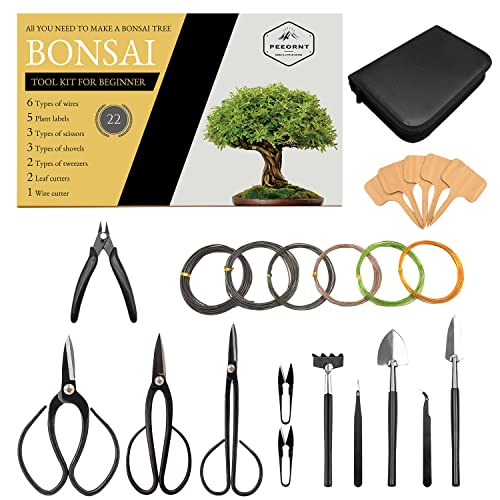
EVERYTHING YOU NEED TO START BONSAI - The bonsai tree kit includes 3 x bonsai scissor, 2 x leaf cutters, 2 x tweezers, 3 x soil shovels/rakes, 6 x bonsai training wires, 1 x wire cutter, 5 x bamboo plant markers. Start your bonsai journey with our bonsai kit.

★ 1. What you get: Professional convenient grafting tool set including a dual-use grafting pruner tool contain 2 extra replaceable blades, a wrench and a screwdriver, along with 36pcs wide rubber bands, 150 thick rubber bands and 1 grafting tape, packed in a black wallet to meet all your needs

Various Bonsai Tools: This bonsai helper set including 3 bonsai pruning scissors, 1 folding scissors, 1 rake, 2 spades and 1 pair of tweezers. The combination of various tools allows you to take better care of plants.
Vermont Peach Tree Pest Control Strategies
Managing pests is crucial for the success of peach trees in Vermont, where the unique climate presents specific challenges. Understanding effective pest control strategies can help ensure healthy growth and fruit production. This section explores various methods tailored to protect peach trees from common pests in the region.
Pests and diseases can threaten peach trees in Vermont. Regular monitoring and preventive measures are necessary. Common issues include:
Peach Leaf Curl: A fungal disease that can be managed with fungicides.
Brown Rot: Affects fruit and can be controlled through sanitation and proper pruning.
Insect Pests: Aphids and spider mites may require targeted treatments.
| Pest/Disease | Symptoms | Control Measures |
|---|---|---|
| Peach Leaf Curl | Curling leaves | Apply fungicide in fall |
| Brown Rot | Rotting fruit | Sanitize and prune |
| Aphids | Distorted leaves | Use insecticidal soap |
Peach Tree Seasonal Care Essentials
Caring for peach trees in Vermont requires an understanding of the seasonal challenges unique to New England’s climate. From spring pruning to winter protection, each season presents specific tasks that are crucial for the health and productivity of these delicate trees. This section outlines the essential care practices needed to ensure successful peach cultivation throughout the year.
Seasonal care is crucial for the health and productivity of peach trees. Each season requires specific attention to ensure trees thrive. Key seasonal tasks include:
Spring: Fertilize with a balanced fertilizer as buds break.
Summer: Water regularly during dry spells to support fruit development.
Fall: Apply mulch to protect roots during winter.
Recommended Products

Janitorial & Cleaning Supplies

WEATHER PROTECTION: Help new trees overcome harsh weather conditions and grow strong. Dalen Tree Wrap protects against sun-scalding, heat waves, frost cracks, and dry winter winds that can stunt growth and even kill young trees.

Comprehensive Protection : Weed removal, hedge trimmers and animals can cause irreversible damage to young trees.Our plastic tree trunk protectors provide complete defense, effectively isolating saplings from potential harm caused by deer, rabbits,cats, squirrels, rodents, and lawn mowers
Peach Tree Winter Protection Techniques
Protecting peach trees during Vermont’s harsh winters is crucial for their survival and productivity. With the right techniques, you can shield these delicate trees from extreme cold, frost, and heavy snow. This section explores effective winter protection strategies to ensure your peach trees thrive despite the challenges posed by New England’s climate.
Winter can be harsh on peach trees in Vermont. Implementing protective measures can prevent damage. Consider these strategies:
Mulching: Apply a thick layer of mulch around the base to insulate roots.
Wrapping Trunks: Use tree wrap to protect against frost cracks.
Windbreaks: Plant shrubs or erect barriers to shield trees from harsh winds.
Essential Practices for Vermont Peach Cultivation
Cultivating peach trees in Vermont requires specific practices tailored to the region’s unique climate and soil conditions. Understanding these essential techniques will help ensure healthy growth and fruitful harvests, allowing growers to navigate the challenges of New England’s hardiness zones effectively. This section outlines the key practices that can lead to successful peach cultivation in Vermont.
Growing peaches in Vermont requires careful planning and attention to detail. Selecting the right variety, managing soil, and providing seasonal care are essential steps. Regular monitoring for pests and diseases will also contribute to a successful harvest.
