

Have you ever wondered when your plum tree will finally reward you with delicious fruit? If you’ve planted one, you might be eagerly anticipating that first bite of juicy sweetness. It can be a bit frustrating waiting for those trees to mature, especially if you’re not sure what to expect.
Key Takeaways
- Fruiting Timeline: Plum trees typically take 3 to 6 years to bear fruit, influenced by variety, age, and environmental conditions.
- Varietal Differences: Japanese plums tend to fruit earlier (3 to 5 years) compared to European varieties (4 to 6 years).
- Environmental Needs: Provide 6 to 8 hours of sunlight daily, maintain well-draining soil, and ensure consistent watering for optimal growth.
- Effective Care: Regular pruning, fertilization, and watering enhance tree health, increasing the chances of timely fruit production.
- Monitoring Growth: Look for blooming flowers and small fruits to gauge the fruiting process; a healthy tree is more likely to produce a good yield.
- Peak Production: Expect peak fruit production 4 to 8 years after planting, with proper care potentially yielding 20 to 60 pounds of fruit annually.
Understanding Plum Trees
Plum trees can take several years to produce fruit, depending on the variety and growing conditions. Generally, it takes about 3 to 6 years for a plum tree to start bearing fruit after planting.
Factors That Influence Fruiting Time
- Variety: Different plum tree varieties ripen at varying times. European plums typically require more time to fruit than Japanese varieties. Check the specific variety for expected fruiting times.
- Age of Tree: Trees planted as bare-root saplings fruit sooner than those grown from seeds. Expect quicker results from younger, established trees.
- Environmental Conditions: Sunlight and soil quality play significant roles. Ensure your plum tree receives at least 6 to 8 hours of sunlight daily. Well-drained soil allows for healthy root growth, promoting sooner fruiting.
Care Tips for Accelerating Fruiting
- Pruning: Proper pruning encourages healthy growth. Remove dead or weak branches in late winter to promote airflow and fruit production.
- Fertilizing: Use a balanced fertilizer during the growing season. Avoid over-fertilizing as it can lead to excessive foliage with few fruits.
- Watering: Consistent watering is crucial during dry spells. Deep watering supports root development, which is essential for fruiting.
- Blossoms: Look for blooming flowers in spring. Flowering typically precedes fruiting by a few months.
- Healthy Growth: Strong, vibrant leaves indicate a healthy tree. A healthy tree is more likely to produce fruits.
- Small Fruits: After blooming, tiny fruits may start to form. Monitor your tree; this is a sign that fruiting is underway.
By understanding these factors and implementing proper care, you can enhance your plum tree’s chances of producing fruit in a timely manner.
Factors Influencing Fruiting Time
Several factors determine when your plum tree starts bearing fruit. Understanding these can help you manage expectations and enhance growth.
Recommended Products

Quick, at home results for Soil pH, Nitrogen, Phosphorous and Potash Innovative and inexpensive soil test kit features an easy-to-use capsule system and patented color comparators

KNOW BEFORE YOU GROW | Grow the healthiest, sustainable lawn and garden with the most accurate and easy to use professional soil test kit on the market

Accurate Soil pH Testing: Dewildetradingco Soil pH Test Strips offer measurements of soil pH levels (pH 3.5-9). As an essential tool for every gardener and grower, these test strips help determine the optimal pH for various plants, such as outdoor plants, indoor plants, gardens, grass lawns, fruit trees, flowers, vegetables, and forest shrubs.
Tree Age
Tree age plays a crucial role in fruit production. Generally, you’ll see plums by the time your tree is 3 to 6 years old. Younger trees, typically under 3 years, focus on root establishment instead of fruiting. Patience is key during this growth phase.
Varietal Differences
Varietal differences significantly affect how soon you can expect fruit. Various plum tree types, such as Japanese and European, differ in their fruiting timelines. For instance:
- Japanese Plums: Often bear fruit after 3 to 5 years.
- European Plums: Generally take about 4 to 6 years.
Selecting the right variety for your climate and conditions can influence fruiting time.
Environmental Conditions
Environmental conditions directly impact fruiting success. Here are the main factors you should consider:
- Sunlight: Plum trees require full sun, ideally at least 6 hours a day, to thrive and produce fruit.
- Soil Quality: Well-draining soil rich in organic matter promotes healthy growth. Conduct a soil test and amend it with nutrients if necessary.
- Watering: Consistent watering aids development. While young trees need regular moisture, avoid overwatering as it can lead to root issues.
By considering these factors, you’ll better understand what influences your plum tree’s fruiting timeline. Adjusting the care you provide can optimize your tree’s potential to produce fruit on time.
Typical Timeframe for Fruiting
Expect your plum tree to produce fruit within a specific timeframe, influenced by multiple factors. Generally, plum trees take about 3 to 6 years to bear fruit. This range depends on the variety of the tree, its age, and the environmental conditions you provide.
Recommended Products

Let Your Plants Thrive with Dack Root Feeder.It is one of the finest tool available for feeding and watering trees shrubs rose and other gardenplants.Root Feeding is the best method of guaranteeing that both fertilizer and water will reach the plants feeding zone.

【Unique Design Deep Root Tree Watering Tool】 Our root watering tool have four exit hole for the water,won't got clogged easily,It made of stainless steel,not rusting from the inside out.It can leave in the soil and is strong enough to drive through gravel,help your plants build a strong root system .
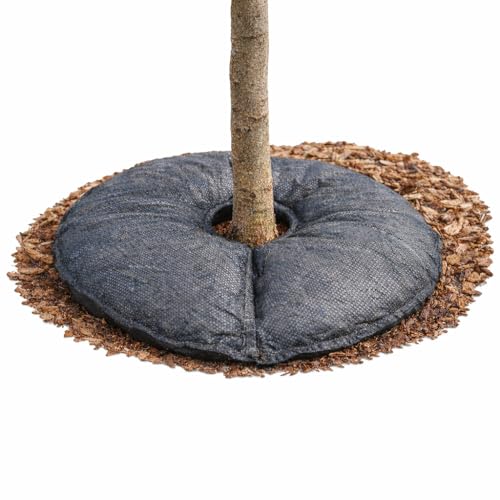
For Plants and Trees that with root balls about 12” in dia., (11-15”, e.g. 3-10 Gallon Container Sizes have top diameters between 11-15”) - Uses 99% LESS WATER than traditional tree bag over the course of multiple seasons for better establishment of the newly planted trees and shrubs! When the plant root ball is larger than 15”, the 36”, 48”, or multiple units of these larger sized SteadySpring Tree Mats are recommended to cover an area double of the root ball size or at least 20” larger than the root ball.
First Fruits After Planting
You can expect the first fruits from your plum tree typically after 3 to 5 years. Japanese plum varieties often show earlier fruiting, while European plums might take a bit longer, around 4 to 6 years. If you’re eager for a harvest, consider planting Japanese plums for a quicker reward. However, remember that younger trees, particularly those under 3 years of age, primarily focus on root development rather than fruit production.
Peak Production Years
After your plum tree starts bearing fruit, it usually reaches peak production between 4 to 8 years. During this period, you can enjoy a more abundant harvest each year. Proper care—such as pruning, appropriate fertilization, and consistent watering—maintains tree health, enhancing fruit quality and quantity. During peak years, your tree might yield anywhere from 20 to 60 pounds of fruit, depending on its variety and size.
Maintaining Healthy Plum Trees
Maintaining your plum trees contributes to their health and fruit production. Focus on proper care and nutrition, along with pest and disease management.
Proper Care and Nutrition
Provide regular watering, especially during dry spells. Water deeply to encourage strong root systems. Fertilize plum trees in early spring using a balanced fertilizer with equal parts nitrogen, phosphorus, and potassium. Apply according to package instructions, ensuring not to over-fertilize, which can damage roots.
Prune your plum trees during the dormant season to remove dead or diseased wood. Thinning crowded branches improves air circulation and helps light reach the inner parts of the tree. Aim for an open center shape that enhances fruit quality.
Mulching around the base of the tree helps retain moisture and regulates soil temperature. Use organic mulch, like wood chips or straw, to slowly enrich the soil as it breaks down.
Pest and Disease Management
Monitor your plum trees for signs of pests and diseases. Look for aphids, plum curculio, and spider mites. Inspect leaves and fruit regularly. If you spot pests, use horticultural soap or neem oil for treatment. Apply these solutions in the early morning or late evening to avoid harming beneficial insects.
Fungal diseases, such as black knot or brown rot, can affect fruit quality. Ensure proper spacing between trees for good airflow and sunlight. Remove and dispose of infected branches to prevent spread.
Regularly check soil moisture and avoid wetting the foliage to minimize fungal issues. Promote tree health by planting disease-resistant varieties when possible.
Following these guidelines helps your plum trees thrive and produce fruit sooner.
Conclusion
Waiting for your plum tree to bear fruit can feel like a test of patience but rest assured it’s worth it. With the right care and attention you can help your tree thrive and enjoy those delicious plums sooner.
Remember to keep an eye on the signs of fruiting and don’t hesitate to adjust your care routine as needed. Each tree is unique and understanding its specific needs will make all the difference.
So keep nurturing your plum tree and before you know it you’ll be savoring the fruits of your labor. Happy gardening!
Frequently Asked Questions
How long does it take for a plum tree to bear fruit?
Plum trees typically take about 3 to 6 years to produce fruit, depending on the variety and growing conditions. Japanese plums may bear fruit in 3 to 5 years, while European plums usually take about 4 to 6 years.
What factors influence the fruiting time of plum trees?
Several factors affect when plum trees bear fruit, including the tree’s age, the specific variety of plum, and environmental conditions like sunlight and soil quality. Younger trees focus on root development, delaying fruit production.
What care tips can help speed up plum tree fruiting?
To promote faster fruiting, ensure proper pruning, consistent watering, and balanced fertilization. Early spring fertilization and seasonal pruning improve air circulation and light penetration, supporting healthy growth and fruit production.
When do plum trees reach peak production?
After initial fruiting, plum trees usually reach peak production between 4 to 8 years of age, yielding 20 to 60 pounds of fruit annually. Proper care during this period is vital for maintaining tree health and fruit quality.
How can I manage pests and diseases in my plum tree?
To manage pests and diseases, regularly monitor your plum tree for common issues and apply appropriate treatments. Promoting good airflow, soil moisture management, and keeping a clean environment around the tree can help minimize risks.
