

Have you ever wondered if you need more than one cherry tree to enjoy those sweet, juicy fruits? You’re not alone. Many aspiring gardeners face this question when planning their backyard orchards.
Key Takeaways
- Pollination Matters: Most cherry trees need cross-pollination for fruit production; planting two compatible varieties can enhance yields.
- Self-Pollinating Options: Some varieties, like Stella and Carmen, can produce fruit on their own but still benefit from having a pollinator nearby.
- Choose Wisely: Select cherry tree varieties that bloom at the same time for optimal pollination and consider combining self-pollinating and cross-pollinating types for the best results.
- Tree Health is Key: Regular care, including proper watering, pruning, and pest control, is essential for maximizing fruit production.
- Enhanced Fruit Yield: Planting two cherry trees not only boosts pollination but significantly increases the size and quantity of the fruit harvested.
- Aesthetic and Ecological Benefits: Two cherry trees improve your garden’s visual appeal while promoting healthier trees through a balanced ecosystem.
Overview Of Cherry Trees
Cherry trees belong to the genus Prunus and come in two primary categories: sweet cherries (Prunus avium) and tart cherries (Prunus cerasus). Each type produces different flavors and is suited for various uses, from fresh eating to cooking and baking.
Pollination Requirements
Most cherry trees require cross-pollination to set fruit successfully. Cross-pollination occurs when pollen from one tree fertilizes the flowers of another. Sweet cherry varieties, in particular, often need the presence of a compatible partner for fruitful yields. You can improve your chances of getting fruit by planting two cherry trees from different varieties that bloom at the same time.
Self-Pollinating Cherry Trees
Some cherry tree varieties, like certain self-pollinating sweet cherries, can produce fruit without a partner. Examples include the Stella and Carmen varieties. These trees still benefit from cross-pollination, which can increase fruit quality and quantity.
Considerations for Planting
When selecting cherry trees, consider spacing, location, and growing conditions. Space trees at least 20-30 feet apart for optimal growth. Ensure they receive plenty of sunlight and well-drained soil. Avoid planting in low areas where frost can settle, as it can damage blossoms.
Maintenance and Care
Regular care is crucial for healthy cherry trees. Water deeply and consistently during dry spells. Prune trees annually to promote airflow and sunlight penetration, which helps prevent diseases. Fertilize your cherry trees in early spring with a balanced fertilizer tailored for fruiting trees.
Real-World Example
For instance, if you plant a Bing cherry tree, pairing it with a Rainier cherry enhances pollination, leading to better yields. Observations show that gardens with diverse varieties produce more fruit than those with single trees.
Considering these factors will help you create a fruitful cherry-growing environment.
Pollination Requirements
Cherry trees rely on specific pollination methods to produce fruit. Understanding these methods can help you make informed planting decisions.
Recommended Products

🍒 Sweet Rainier Cherries – Famous golden-yellow fruit with red blush and rich flavor.

Large, Sweet Cherries - Yields large, dark red to mahogany cherries with a rich, juicy, and well-balanced taste.
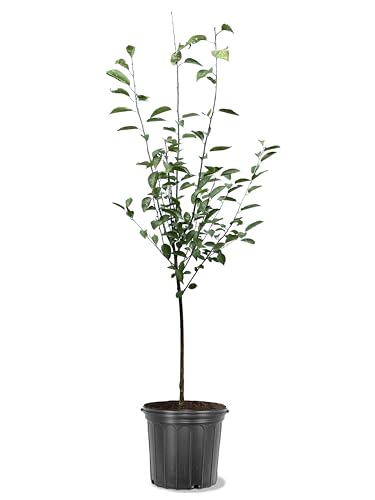
Cherry Tree 'Stella' Semi-Dwarf – Produces large, deep red cherries with a sweet, rich flavor and firm texture, perfect for fresh eating, baking, and preserves.
Self-Pollinating Cherry Trees
Self-pollinating cherry trees can produce fruit without needing another tree nearby. Varieties like Stella and Carmen can set fruit on their own. However, even self-pollinators benefit from cross-pollination, leading to larger and sweeter cherries. Planting a compatible tree nearby can enhance your overall yield.
Cross-Pollinating Cherry Trees
Cross-pollinating cherry trees require another tree for successful fruit production. Most sweet cherry varieties, such as Bing and Rainier, fall into this category. To ensure good pollination, plant two compatible trees that bloom at the same time. Choosing varieties that provide complementary flowering periods boosts your chances of a fruitful harvest. For example, pairing a sweet cherry like Bing with a tart variety like Montmorency can lead to better overall fruit quality.
Factors Influencing Fruit Production
Several factors affect the production of fruit in cherry trees. Understanding these aspects can help you create a thriving cherry garden that yields sweet, delicious cherries.
Variety Selection
Choosing the right cherry tree variety is crucial for fruit production. Sweet cherry varieties, like Bing and Rainier, typically require cross-pollination from another compatible tree. Tart cherries, such as Montmorency, may be more forgiving, but having a cross-pollinator can still enhance fruit quality. When selecting varieties, pick trees that bloom at the same time to ensure effective pollination. Consider planting both self-pollinating varieties, like Stella, and cross-pollinating types for optimal results.
Tree Health and Care
Maintaining the health of your cherry trees directly influences fruit production. Healthy trees produce more fruit than stressed or diseased ones. Here are some practical tips for keeping your trees in top shape:
- Watering: Ensure consistent moisture, especially during flowering and fruit setting. Aim for deep, infrequent watering to encourage strong root systems.
- Pruning: Regularly prune trees to improve air circulation and sunlight exposure. This practice encourages fruit production by reducing overcrowding.
- Fertilizing: Use balanced fertilizers in spring to supply essential nutrients. Avoid over-fertilizing, as this can lead to excessive foliage at the expense of fruit.
- Pest Control: Monitor for pests and diseases. Implement integrated pest management techniques to mitigate infestations.
By focusing on these factors, you significantly enhance your chances of enjoying a bountiful cherry harvest.
Benefits Of Planting Two Cherry Trees
Planting two cherry trees offers several advantages that enhance fruit production and overall tree health. Here’s a detailed look at these benefits:
Recommended Products
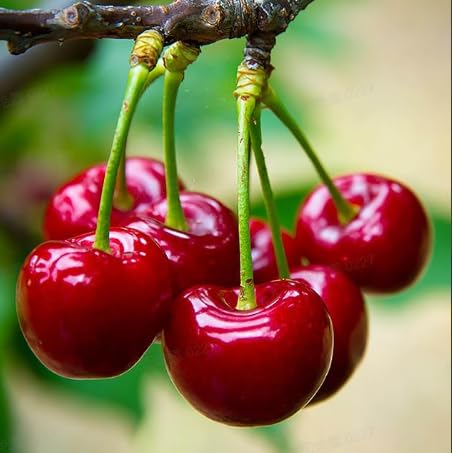
Basic Seed Attributes & Planting Scenarios: 20 Pcs Cherry Tree Seeds, non-GMO heirloom variety, with sweet and tender juicy fruits, suitable for home garden cultivation, and can be planted both indoors and outdoors.

Fragrant Flowers: Trees bloom with sweet-smelling flowers in late spring and early summer, providing a valuable source of nectar for pollinators like bees and holding significant ecological value

Cherry Tree 'Rainier Sweet' – Produces large, golden-yellow cherries with a red blush and a super-sweet, low-acid flavor, perfect for fresh snacking, baking, and preserving.
Improved Pollination
Two cherry trees increase the likelihood of effective pollination. When you plant compatible varieties that bloom simultaneously, they attract more pollinators, such as bees. This boosts pollen transfer between flowers, resulting in a more fruitful harvest. For example, pairing a Bing sweet cherry with a Rainier sweet cherry provides cross-pollination, which leads to more cherries on the trees.
Higher Fruit Yield
Having two cherry trees can significantly enhance fruit yield. Sweet cherry varieties often rely on cross-pollination for full fruit set. You’ll notice that your trees produce larger and sweeter cherries when cross-pollinated. For instance, planting both a self-pollinating and a cross-pollinating variety can yield a satisfying quantity of fruit compared to a single tree.
Extended Harvest Season
Planting different cherry varieties can extend your harvest season. Opt for early, mid, and late-season bloomers. This strategy allows you to enjoy fresh cherries for a more extended period. For example, an early-blooming tart cherry like Montmorency pairs nicely with a later-blooming sweet cherry like Lapins, providing you with a steady supply of fruit.
Healthier Trees
Diverse plantings promote healthier trees. Two cherry trees improve resistance to pests and diseases. When various tree varieties grow close together, they create a more balanced ecosystem. This diversity helps in maintaining tree health and longevity by preventing infestations and diseases that may affect a single variety.
Aesthetic Appeal
Two or more cherry trees enhance your landscape’s visual charm. With their beautiful blossoms in spring, cherry trees add vibrant color to your yard. Planting different varieties can enhance the visual diversity, showcasing various shades of pink and white flowers.
Planting two trees can optimize resource use. Trees can share nutrients and water in the soil. This communal growth can lead to stronger root systems, benefiting both plants. However, ensure that you provide adequate spacing to avoid root competition.
By planting two cherry trees, you significantly increase the chances of a fruitful harvest, while also enjoying the beauty and benefits these trees bring to your garden.
Conclusion
Planting two cherry trees can truly enhance your chances of enjoying a delicious harvest. While some self-pollinating varieties can produce fruit on their own having a compatible partner nearby can lead to even sweeter and more abundant cherries.
By choosing trees that bloom at the same time you’ll attract more pollinators and create a vibrant garden space. Plus the added benefits of improved tree health and resistance to pests make it a win-win. So if you’re dreaming of juicy cherries in your backyard consider planting a pair to make that dream a reality. Happy gardening!
Frequently Asked Questions
Do I need two cherry trees to get fruit?
Yes, most sweet cherry trees require cross-pollination for successful fruit production. Planting two compatible trees that bloom simultaneously can significantly improve your fruit yield. Self-pollinating varieties can bear fruit alone but still benefit from having a partner nearby.
What are self-pollinating cherry trees?
Self-pollinating cherry trees, like Stella and Carmen, can produce fruit without needing another tree. However, these varieties still tend to yield larger and sweeter cherries when cross-pollinated with other cherries.
What types of cherry trees exist?
Cherry trees fall into two main categories: sweet cherries (Prunus avium) and tart cherries (Prunus cerasus). Each type is suited for different uses, such as fresh eating or baking, and their pollination needs vary.
How can I improve cherry yield?
To enhance cherry yield, plant two compatible varieties that bloom at the same time. This encourages cross-pollination, leading to better fruit quality and quantity. Additionally, ensure good care, including proper watering and pruning.
What are the benefits of planting two cherry trees?
Planting two cherry trees improves pollination, increases fruit yield, and offers an extended harvest season. It also promotes healthier trees by enhancing resilience to pests and diseases, while optimizing resource use for stronger root systems.
