

Ever wondered why your indoor avocado tree isn’t producing fruit as quickly as you’d like? You’re not alone. Many plant lovers face the same frustration, nurturing their green companions only to see little or no fruiting.
Key Takeaways
- Understand Growth Stages: Familiarize yourself with the germination, seedling, juvenile, and mature stages of avocado trees to optimize their growth and fruiting potential.
- Optimize Light Exposure: Ensure your indoor tree receives 6-8 hours of direct sunlight daily; consider using grow lights if necessary to promote healthy growth.
- Maintain Ideal Conditions: Keep temperatures between 60°F and 85°F, and humidity levels around 50% to 70% to create a conducive environment for fruit production.
- Implement Pruning Techniques: Regularly prune and shape your avocado tree to enhance airflow and direct energy towards fruit development instead of excess foliage.
- Choose Appropriate Fertilizers: Use a balanced fertilizer with higher potassium and phosphorus levels during the growing season to support blooming and fruit production.
- Address Common Issues Promptly: Monitor for pests, diseases, and nutrient deficiencies to ensure your avocado tree remains healthy and productive.
Understanding Avocado Tree Growth
Avocado trees follow a specific growth pattern that influences their fruit-bearing capabilities. Understanding this lifecycle and the factors at play can help you optimize conditions for your indoor tree.
Lifecycle of an Avocado Tree
Avocado trees go through several key stages:
- Germination: Start with a pit. In about 2-6 weeks, it develops roots and a stem.
- Seedling Stage: Seedlings grow 6-18 inches in height, requiring bright light and consistent moisture.
- Juvenile Stage: From 1-3 years, trees focus on root and foliage development. They can reach 3-5 feet tall during this period.
- Mature Stage: After 3-5 years, trees can bear fruit, but conditions must be right for successful pollination and fruiting.
During germination and seedling stages, nurturing is crucial. Provide warmth, humidity, and ample sunlight for robust growth.
Factors Affecting Fruit Production
Several factors affect how quickly and abundantly your indoor avocado tree bears fruit:
- Light: Ensure your tree receives at least 6-8 hours of direct sunlight daily. Consider using grow lights if natural light is insufficient.
- Pollination: Avocado trees feature two types of flowers which open at different times. Having both types encourages cross-pollination, enhancing fruit set.
- Watering: Maintain consistent moisture in the soil, avoiding overwatering. Overwatering can stress the tree and delay fruit production.
- Temperature: Avocado trees thrive in temperatures between 60°F to 85°F (15°C to 29°C). Protect your tree from temperature extremes.
- Nutrients: Use a balanced fertilizer during the growing season. High nitrogen levels in the early stages support leaf growth, while potassium and phosphorus promote flowering and fruiting.
By focusing on these factors, you enhance the chances of your indoor avocado tree producing fruit more quickly.
Best Indoor Conditions for Avocado Trees
Creating the right indoor environment for your avocado tree boosts its potential to bear fruit faster. Pay attention to light, temperature, and humidity to optimize growth and productivity.
Recommended Products
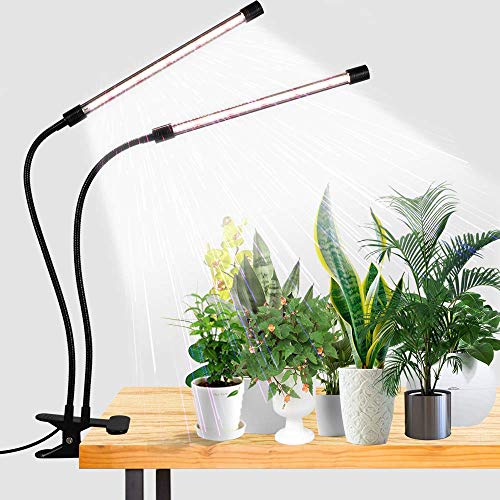
6000K White Light - equipped with 10 Red + 74 White LEDs, this growing Lamp is similar to the full-spectrum sunlight at noon,that is professionally designed for indoor garden plants.Moreover, its color rendering index is as high as 95, the light is soft and flicker-free, which is very suitable for reading lamp
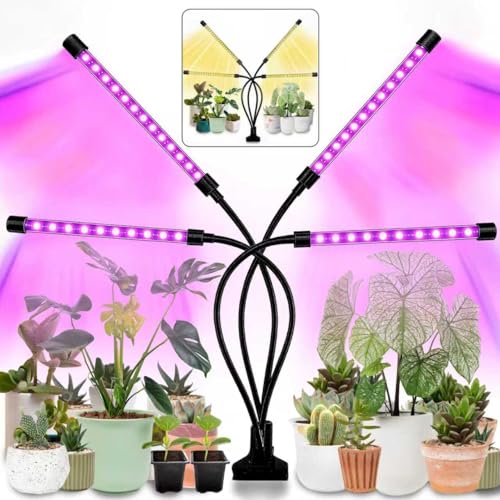
🌻Efficient LED Combination: This LED lamp has grow lights made up of 80 efficient growing LEDs ( 32 red lights, 12 blue lights,20 yellow lights and 16 white lights). It meets the conditions of plant growth without sunlight. 1--Full Spectrum(380nm-800nm): Suitable for all plants to root and sprout. 2--Red(660nm)+BLUE(460nm) Spectrum: for blooming and fruits. 3--Red+Blue+Full Spectrum: A mix of Red+Blue+Warm White is best to fuel the growth of your plants.

FULL SPECTRUM & NATURAL LIGHT: A19 full spectrum grow light appears 4000K white to eyes but has a red/blue light spectrum. Same as natural sun shine, perfect for tomatoes, cucumbers, peppers, leafy greens and herbs at all growth stages.
Light Requirements
Ensure your avocado tree gets plenty of bright, indirect sunlight. Place it near a south-facing window for at least six hours of light daily. If natural light is insufficient, consider using grow lights. Position these approximately 12 to 24 inches above the tree. Rotate the plant weekly to promote even growth. Monitor for signs of light stress, like yellowing leaves, and adjust accordingly.
Temperature and Humidity
Maintain a consistent temperature between 60°F and 85°F (15°C and 29°C) for optimal growth. Avoid exposing your avocado tree to drafts or sudden temperature changes. Indoor humidity levels should remain around 50% to 70%. If your home is dry, consider using a humidifier or placing a tray of water near the tree. Misting the leaves occasionally can also help increase humidity. Just be careful not to overdo it, as excessive moisture may lead to fungal issues.
Techniques to Encourage Fruit Bearing
Encouraging your indoor avocado tree to bear fruit faster involves specific techniques that focus on growth management and proper care. Here’s how to enhance your chances of fruit production.
Recommended Products

🍋 EXPLOSIVE HARVEST: GardenWise ignites a remarkable yield boost. Its scientific blend, featuring 6% nitrogen for growth, 4% phosphorus for flowering, and 6% potassium for fruit quality, culminates in an abundance of flavorful, aromatic fruits. This is more than growth; it's a nutrient-powered revolution in your citrus yield.

PREMIUM QUALITY INGREDIENTS – Cz Garden Muriate of Potash is a water soluble, high purity, premium phosphate fertilizer for all indoor/outdoor flowers, lawn, and garden vegetables.

🥑 AVOCADO ALLURE: Tailored to the unique needs of indoor avocado trees, our 3-1-2 Liquid Fertilizer Concentrate is your key to achieving the perfect balance of nitrogen, phosphorus, and potassium. This ensures your avocado tree thrives, bearing lush foliage and the promise of creamy, homegrown avocados.
Pruning and Shaping
Pruning your avocado tree boosts air circulation and light penetration. You can maintain a manageable size by trimming excess branches. Aim to prune in the early spring before new growth begins. Focus on these steps:
- Remove Dead or Damaged Branches: Cut away any brown or brittle sections to encourage healthy growth.
- Trim Crossed Branches: Ensuring branches don’t touch allows better airflow and reduces disease risk.
- Shape the Tree: Keep the tree narrow and tall by pruning lower branches. This helps direct energy toward fruit production rather than excess foliage.
Regular shaping promotes a stronger structure and encourages the tree to divert energy toward developing fruit.
Fertilization Methods
Proper fertilization provides the nutrients your avocado tree needs for fruiting. Implement these best practices to maximize growth and yield:
- Choose the Right Fertilizer: Use a balanced fertilizer high in potassium and phosphorus, like a 10-10-10 or 5-5-10 mix. These nutrients support blooming and fruit development.
- Follow a Schedule: Fertilize every 4-6 weeks during the growing season. This consistent feeding promotes strong root development and healthier leaves.
- Adjust for Season: Lower fertilizer amounts in winter when the tree slows down. Your tree needs less nutrition during this dormant phase.
By adopting these fertilization methods, you set the stage for quicker fruit production, giving your indoor avocado tree the support it needs to thrive.
Common Challenges and Solutions
Indoor avocado trees face challenges that affect fruit production. Understanding these common issues and their solutions helps you support your tree’s growth.
Recommended Products

🍋 Grows Delicious Fruits: With a balance of 6% nitrogen, 4% phosphorus and 6% potassium, Gardenwise’s 6-4-6 Citrus and Avocado Professional Fertilizer nourishes your indoor and outdoor trees with a high-quality blend of nutrients. You’ll love the incredible flavors!

🍋 Grows Delicious Fruits: With a balance of 6% nitrogen, 4% phosphorus and 6% potassium, Gardenwise’s 6-4-6 Citrus and Avocado Professional Fertilizer nourishes your indoor and outdoor trees with a high-quality blend of nutrients. You’ll love the incredible flavors!

Pests and Diseases
Pests and diseases disrupt healthy growth. Common pests include aphids, spider mites, and whiteflies. Check for sticky residue on leaves and visible insects.
- Aphids: These small green or black insects sap moisture and weaken the plant. Spray your tree with insecticidal soap or a strong water jet to dislodge them.
- Spider Mites: These tiny arachnids thrive in dry conditions, causing yellowing leaves. Increase humidity around your tree through misting or a humidifier.
- Powdery Mildew: A fungal disease shows up as white powder on leaves. Improve air circulation and avoid overwatering to prevent it.
Regularly inspect your tree for signs of trouble. Quick action keeps your avocado healthy and productive.
Nutrient Deficiencies
Nutrient deficiencies hinder fruit development. Avocado trees require balanced nutrients, especially nitrogen, phosphorus, and potassium.
- Nitrogen Deficiency: Slow growth and yellow leaves indicate a lack of nitrogen. Use a balanced fertilizer with a higher nitrogen ratio during the growing season.
- Phosphorus Deficiency: Dark green leaves with purple hues can signal phosphorus issues. Apply a fertilizer high in phosphorus to boost root and flower development.
- Potassium Deficiency: Leaf edges may scorch if potassium is lacking. Opt for fertilizers rich in potassium to promote fruiting.
Testing your soil can guide you in addressing deficiencies effectively. Adjust your fertilization regimen based on the specific needs of your avocado tree.
Conclusion
Getting your indoor avocado tree to bear fruit faster can be a rewarding journey. By creating the right environment and giving your tree the care it needs you can significantly boost its fruit production. Remember to focus on light exposure temperature and humidity levels while also managing nutrients effectively.
Don’t forget the importance of regular inspections to catch any potential issues early. With a little patience and dedication your avocado tree can thrive and eventually reward you with delicious fruit. Enjoy the process and celebrate every little milestone along the way!
Frequently Asked Questions
Why is my indoor avocado tree not producing fruit?
Indoor avocado trees may not produce fruit due to several factors, including insufficient light, improper pollination, and inadequate nutrients. They require at least six hours of bright, indirect sunlight daily. Ensure you provide the right conditions to enhance fruit production.
How much light do avocado trees need indoors?
Avocado trees need at least six hours of bright, indirect sunlight daily. Placing them near a south-facing window is ideal. If natural light is insufficient, consider using grow lights to meet their light requirements.
What is the ideal temperature for indoor avocado trees?
The ideal temperature for indoor avocado trees ranges between 60°F and 85°F. Maintaining a consistent temperature within this range promotes healthy growth and increases the chances of fruit production.
How often should I water my avocado tree?
Water your avocado tree when the top inch of soil feels dry. Over-watering can lead to root rot, while under-watering can stunt growth. Regularly check the soil moisture to maintain proper hydration.
What nutrients do avocado trees need for optimal growth?
Avocado trees benefit from a balanced fertilizer high in potassium and phosphorus. Regular feeding during the growing season and adjusting fertilizer levels in winter helps ensure they receive the necessary nutrients for growth and fruiting.
How can I improve humidity for my indoor avocado tree?
To improve humidity for your avocado tree, maintain levels between 50% and 70%. You can use a humidifier, mist the leaves regularly, or place a tray of water near the tree to create a more humid environment.
What common pests affect indoor avocado trees?
Common pests include aphids, spider mites, and whiteflies. Regular inspections and treatments with insecticidal soap or increasing humidity can help control these pests and keep your avocado tree healthy.
How can I encourage my avocado tree to bear fruit faster?
To encourage faster fruit bearing, focus on proper care like pruning, shaping the tree for better light exposure, and maintaining an appropriate fertilization schedule. Ensure all environmental factors are optimal for production.
