

Have you ever wondered whether a kiwi is a tree or a vine? Picture this: you’re at the grocery store, staring at those fuzzy brown fruits, and you can’t help but ponder their origin. In this article, we’ll explore the fascinating world of kiwis and settle the debate once and for all.
You’re not alone in your curiosity. Many people find themselves puzzled by the nature of kiwis. By the end of this read, you’ll have a clear understanding of whether kiwis grow on trees or vines. Get ready to impress your friends with your newfound knowledge about these delicious fruits. Let’s dive into the intriguing world of kiwis together.
Key Takeaways
- Kiwi plants are classified as woody perennial vines, showcasing a blend of tree-like trunks and vine-like climbing behavior.
- These plants use tendrils for support to grow vertically, akin to vine characteristics, while developing a sturdy trunk resembling trees as they mature.
- Regular pruning is crucial for maintaining kiwi plant health, controlling growth, fostering fruit production, and ensuring proper sunlight exposure.
- Understanding the dual nature of kiwi plants, with characteristics of both trees and vines, will empower gardeners to provide optimal care for a fruitful harvest.
Overview of Kiwi Plant
Exploring the fascinating world of kiwis, you’re probably wondering about the nature of these unique fruits – do they come from trees or vines? Let’s delve into the characteristics of kiwi plants to shed some light on this common confusion.
Growth Habit of Kiwi Plants
Kiwi plants, scientifically known as Actinidia deliciosa, exhibit a distinctive growth habit that blurs the line between trees and vines. These plants are classified as woody perennial vines, meaning they possess both tree-like and vine-like characteristics.
Vine-Like Traits
One of the key features of kiwi plants is their climbing nature. They use tendrils to latch onto structures for support as they grow upward. This climbing behavior is a typical trait of vines, allowing kiwi plants to reach sunlight and optimize fruit production.
Tree-Like Characteristics
Despite their vine-like tendencies, kiwi plants also display tree-like attributes. As they age, these plants develop a woody trunk, resembling the sturdy structure of trees. This trunk provides stability and support for the vine as it grows and produces fruit.
Pruning Practices
To maintain the health and productivity of kiwi plants, regular pruning is essential. Pruning helps control the growth of the vine, promotes fruiting, and ensures proper sunlight exposure. By trimming back excess growth, you can shape the plant to enhance fruit quality.
Conclusion
The growth habit of kiwi plants blurs the distinction between trees and vines. While they exhibit vine-like climbing behavior, kiwi plants also develop tree-like trunks, combining the best of both worlds. Understanding these characteristics can help you care for your kiwi plant and enjoy a bountiful harvest.
Characteristics of Kiwi Plant
When it comes to the characteristics of kiwi plants, it’s essential to understand how these unique woody perennial vines exhibit traits of both trees and vines. This distinct combination impacts their growth patterns and care requirements, making them intriguing plants to cultivate in your garden. Let’s delve into the key features of kiwi plants to help you better care for these remarkable climbers.
Unique Growth Structure:
Kiwi plants display a fascinating duality in their growth structure, featuring tree-like trunks and vine-like climbing behavior. The presence of sturdy trunks resembling trees provides support for the vine’s upward growth. You’ll notice how these plants develop a robust central leader, similar to a tree, which allows them to reach impressive heights while maintaining stability through their woody stems.
Climbing Mechanism with Tendrils:
To support their climbing tendencies, kiwi plants utilize tendrils that coil around structures to aid in upward growth. These tendrils act as the vines’ natural mechanism for latching onto support, enabling the plant to climb and expand vertically. Observing how kiwi plants use these tendrils can help you appreciate their natural climbing strategies and guide you in providing suitable structures for optimal growth.
Importance of Pruning for Health:
Regular pruning plays a crucial role in maintaining the health and productivity of kiwi plants. By removing dead or overcrowded branches, you promote air circulation, reduce disease risk, and encourage fruit production. Pruning also helps manage the plant’s size, shape, and overall vigor, ensuring that your kiwi vine-tree hybrid remains robust and fruitful throughout its growth cycle.
Understanding the intricate characteristics of kiwi plants, from their dual growth structure to climbing mechanisms and pruning needs, empowers you to nurture these unique vines effectively. By recognizing and leveraging these traits, you can enhance the health and productivity of your kiwi plant, leading to a thriving harvest in your garden.
Botanical Classification of Kiwi
In understanding the botanical classification of kiwi, you might wonder whether it’s a tree or a vine. Kiwi, scientifically known as Actinidia deliciosa, belongs to the Actinidiaceae family. Despite popular belief, kiwi plants are not trees; they are classified as woody perennial vines.
Characteristics of Kiwi Plants
Kiwi plants exhibit a unique growth pattern, possessing both tree-like trunks and vine-like climbing behavior. They utilize tendrils to support their upward growth, similar to vines. These tendrils allow the plant to cling onto supports as they climb. At the same time, kiwi plants develop sturdy trunks, giving them a tree-like appearance. This dual nature sets kiwi plants apart from traditional trees and vines.
Pruning for Plant Health
Regular pruning is crucial in maintaining the health and productivity of kiwi plants. By pruning, you can manage the growth of both the vines and the trunks. Pruning helps in promoting air circulation, reducing disease risk, and ensuring that the plant focuses its energy on fruit production. It is recommended to prune kiwi plants during the dormant season to encourage new growth and maintain the desired shape.
Importance of Understanding Growth Structure
Understanding the intricate growth structure of kiwi plants is essential for successful cultivation. By recognizing their tree-like trunks and vine-like climbing mechanisms, you can provide proper care and support. Tending to the tendrils and trunks through pruning will aid in maximizing fruit yield and overall plant health.
By comprehending the botanical classification and growth characteristics of kiwi plants, you’re equipped to nurture these unique vines effectively, ensuring a bountiful harvest season.
Kiwi as a Tree
Kiwi plants, contrary to common misconception, are not trees but woody perennial vines. They belong to the Actinidiaceae family and exhibit a unique growth pattern combining characteristics of both trees and vines. Understanding this distinction is crucial for proper care and maintenance.
When you look at a kiwi plant, you’ll notice tree-like trunks that support the vine-like climbing behavior of the plant. This growth habit allows kiwi plants to thrive and produce an abundance of fruits when well-tended. Despite their treelike appearance, kiwi plants are classified as vines due to their climbing nature and structural support system of tendrils.
To ensure the health and productivity of your kiwi plants, regular pruning is essential. Pruning helps in managing growth, promoting air circulation, and focusing the plant’s energy on fruit production. By trimming back excess growth during the dormant season, you encourage vigorous new growth and a bountiful harvest in the upcoming seasons.
As a gardener, understanding the dual nature of kiwi plants empowers you to provide the necessary care and support for optimal fruit yield. By embracing the vine-like tendencies while acknowledging the treelike features, you can navigate the pruning process with confidence, ensuring a successful harvest year after year.
Recommended Products
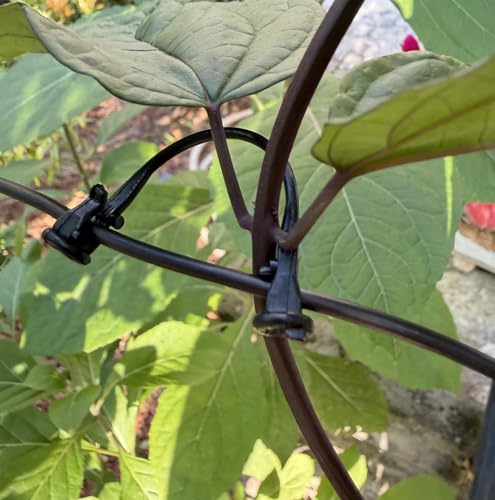
This grape vine support is made of quality PP material, Can be reused,not easy to break,can be easily distorted and on the vine.Easily clips to trellising twine and doesn't slip.

Material & Durability: Compatible for grape vine support, crafted from quality PP material for reusability, resistance to breakage, and easy distortion on vines without slipping when clipped to trellising twine.

Product Packaging: 1 set of chain trellies for climbing plant (includes 10 black stars, 10 black moons, 20 Metal Spring O Rings Clip, 6 traceless hooks, 6 traceless nails, 6 plastic-coated hooks, and 10 zip ties).
Kiwi as a Vine
Kiwi plants are woody perennial vines, not trees. They have a unique growth pattern that combines tree-like trunks with vine-like climbing behavior. Pruning is essential for their health, growth, and fruit production. Understanding this dual nature of kiwi plants is crucial for effective care and maintenance.
When you think of kiwi plants, imagine a robust vine with tree-like features. This combination results in a strong base resembling a tree trunk, supporting the climbing nature of a vine. Pruning plays a vital role in managing this growth pattern to ensure optimal fruit yield, plant health, and overall growth.
During the dormant season, focus on pruning your kiwi vines. This practice encourages vigorous growth and abundant harvests. By cutting back excess growth and shaping the plant, you promote healthy fruit production. Remember, kiwi plants thrive best when tended to with regular pruning sessions.
Pruning kiwi plants may seem daunting at first, but it’s a rewarding task that leads to healthier vines and superior fruit quality. Embrace the dual nature of kiwi plants as vines with tree-like trunks, and you’ll be equipped to provide the best care for these unique growers.
Recommended Products

CLEAN CUTS FOR LIVE GROWTH: Bypass blade design is ideal for pruning delicate flower stems and green growth, helping reduce crushing and plant damage while cutting stems and small branches up to 5/8” in diameter

LONG-LASTING SHARPNESS: Japanese SK5 bypass blade with titanium coating is tested through 5,000 cuts to maintain a sharp edge and deliver clean, consistent cuts on live stems and branches

· ULTRA-SHARP SK5 STAINLESS STEEL - Engineered with premium SK5 stainless steel, these heavy duty pruning shears deliver razor-sharp precision and maximum hardness. The rust-resistant blades are designed to stay sharp longer, effortlessly resisting corrosion and sap buildup for smooth, friction-free garden shears performance year after year.
Conclusion
You now know that kiwi plants are unique woody perennial vines, not trees, combining tree-like trunks with vine-like climbing habits. Regular pruning is key for their well-being, growth, and fruit production. Understanding this dual nature is crucial for effective care. Pruning during dormancy is vital for encouraging robust growth and bountiful harvests, shaping the plant for optimal fruit yield and overall health. By embracing the idea of vines with tree-like trunks, you can provide the best care for these distinctive growers, resulting in healthier vines and superior fruit quality.
Frequently Asked Questions
Are kiwi plants vines or trees?
Kiwi plants are woody perennial vines, not trees, with tree-like trunks supporting vine-like climbing behavior.
Why is regular pruning important for kiwi plants?
Regular pruning is crucial for the health, growth, and fruit production of kiwi plants.
When is the best time to prune kiwi plants?
Pruning during the dormant season is the best time to encourage vigorous growth and abundant harvests.
How does understanding the dual nature of kiwi plants help with care and maintenance?
Understanding the dual nature of kiwi plants is essential for providing effective care and maintenance to ensure optimal fruit yield and overall health.
How can embracing the vine with tree-like trunk concept benefit gardeners?
Embracing the vine with tree-like trunk concept equips gardeners to provide the best care for kiwi plants, leading to healthier vines and superior fruit quality.
