

Have you ever tried to grow fruit trees in clay soil and felt frustrated by the results? You’re not alone. Many gardeners face the challenge of nurturing plants in heavy, compacted soil that seems to hold water like a sponge. But don’t worry—growing fruit trees in clay is entirely possible with the right techniques.
Key Takeaways
- Understand Soil Characteristics: Clay soil is dense and compact, retaining moisture and nutrients while posing challenges like poor drainage and limited root expansion.
- Soil Preparation Techniques: Improve clay soil by testing pH, adding organic matter like compost, creating raised beds, and incorporating gravel or drainage pipes.
- Select Suitable Fruit Trees: Choose fruit tree varieties that thrive in clay soil, such as apples, pears, cherries, plums, and elderberries, considering their root depth and growth habits.
- Proper Planting Methods: Plant trees at the correct depth and spacing to promote healthy root development; use mulch to conserve moisture and regulate temperature.
- Ongoing Maintenance: Regularly prune for air circulation, fertilize based on soil tests, and implement pest control strategies to ensure robust fruit tree growth in clay soil.
Understanding Clay Soil
Clay soil consists of tiny, densely packed particles. It retains moisture and nutrients well but also presents specific challenges for gardening.
Characteristics of Clay Soil
- High Density: Clay soil is heavier than sandy or loamy soils, making it dense and compact.
- Water Retention: Moisture retention is significant, leading to potential drainage issues.
- Nutrient-Rich: This soil type often holds essential nutrients, supporting growth if managed correctly.
- Slow Drainage: Water tends to pool on the surface rather than soaking in quickly.
- Compacted Texture: Clay often becomes compacted, limiting root expansion and air circulation.
- Poor Drainage: Inadequate drainage can cause root rot, affecting tree health.
- Temperature Variability: Clay soil can heat or cool slowly, impacting plant growth periods.
- Difficult Tilling: Its heaviness and stickiness make tilling labor-intensive and challenging.
By understanding these characteristics and challenges, you can effectively adapt your gardening practices for success with fruit trees in clay soil.
Preparing the Soil for Fruit Trees
Preparing clay soil for fruit trees requires specific steps to enhance its structure and nutrient availability. Focus on improving drainage and aeration for optimal growth.
Recommended Products

Feed the soil not the plants - stimulate microbial activity in your soil and boost probability of success with all types of plants… like composting but faster

Down to Earth Fruit Tree is a five pound box of all natural fertilizer with 6-2-4 formula and is listed by the Organic Materials Review Institute (OMRI) for use in organic production

Soil Testing and Amendments
Testing soil provides valuable insights into its composition and pH level. Use a soil testing kit or send samples to a local lab for analysis.
- Determine pH: Aim for a pH between 6.0 and 7.5 for most fruit trees.
- Apply Amendments: Based on test results, mix in organic matter, such as compost or well-rotted manure. Aim for a 2-4 inch layer to improve soil structure.
- Balance Nutrients: Add specific fertilizers like lime to raise pH or sulfur to lower it. Follow package directions for amounts based on your soil’s needs.
Drainage Solutions
Improving drainage is crucial for clay soil. Use these techniques to enhance water flow and prevent root rot.
- Create Raised Beds: Build raised beds that elevate planting areas above ground level, allowing for better drainage.
- Incorporate Gravel: Mix gravel or coarse sand into the planting hole to help break up the clay. Aim for a 1:3 ratio of gravel to soil.
- Install Drainage Pipes: For severe drainage issues, consider installing perforated pipes underground to redirect excess water.
- Use Cover Crops: Plant cover crops like legumes in the off-season. These help break up soil and improve aeration.
These strategies provide a solid foundation for your fruit trees, enhancing growth and productivity in clay soil.
Choosing the Right Fruit Trees
Selecting the right fruit trees for clay soil significantly impacts their growth and productivity. Certain varieties thrive better in these conditions, making your gardening efforts more successful.
Recommended Products

【Ideal pH Balance】Our citrus soil is carefully calibrated to maintain an optimal pH level between 6.0 and 7.1, ensuring your citrus trees can absorb essential nutrients efficiently and thrive
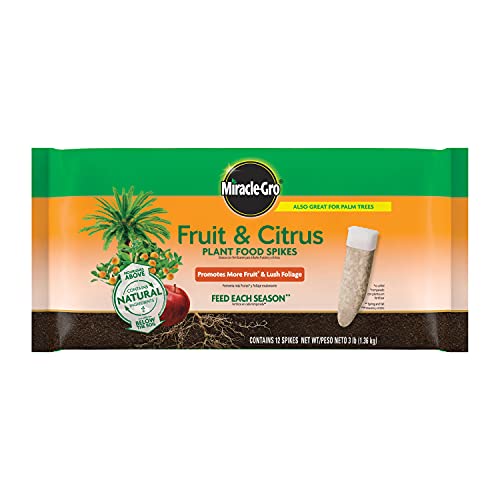
FORMULATED FOR CITRUS AND FRUIT TREES: Use these citrus fertilizer spikes on apple, orange, lemon, lime, and avocado trees; this formula is also great for feeding palm trees

🍊 PROFESSIONALLY MIXED IN THE USA - Each bag is hand blended on our small family farm with premium horticultural grade ingredients: Canadian Peat Moss, Perlite, Worm Castings and Lime - 1 QUART BAG
Best Fruit Trees for Clay Soil
Consider these fruit trees that adapt well to clay soil:
- Apples: Hardy and adaptable, apple trees tolerate wet soil and offer diverse varieties.
- Pears: These trees enjoy rich, moist soil and produce delicious fruit.
- Cherries: Sweet and sour cherries work well in clay, providing beautiful blossoms in spring.
- Plums: Plum trees thrive in clay soil, yielding tasty fruits when properly cared for.
- Elderberries: These shrubs flourish in clay and offer both ornamental beauty and edible berries.
Considerations for Tree Selection
When choosing fruit trees, keep these factors in mind:
- Root Depth: Select trees with deep root systems, as they navigate clay more effectively.
- Variety: Opt for disease-resistant varieties to minimize maintenance and maximize yield.
- Growth Habit: Choose trees with a compact growth habit, making harvesting easier in small spaces.
- Climate Adaptability: Ensure the varieties are suitable for your local climate for optimal fruit production.
- Spacing Needs: Consider mature size to avoid overcrowding and ensure proper air circulation.
By selecting the right fruit trees and considering their specific needs, you can enjoy a fruitful garden in clay soil.
Planting Techniques for Success
Proper planting techniques play a vital role in successfully growing fruit trees in clay soil. These techniques maximize root development and ensure better fruit production.
Recommended Products

★ 1. What you get: Professional convenient grafting tool set including a dual-use grafting pruner tool contain 2 extra replaceable blades, a wrench and a screwdriver, along with 36pcs wide rubber bands, 150 thick rubber bands and 1 grafting tape, packed in a black wallet to meet all your needs


【Fruit Picker Tool】The fruit picker with 8 parts extension pole and 1 fruit picker cloth bag. The included cloth bag gently catches the picked fruit without damaging it.
Planting Depth and Spacing
Plant your fruit trees at the right depth to promote healthy growth. Dig a hole that is twice the width of the root ball and slightly shallower than the root ball itself. This technique allows the roots to spread easily.
Space your trees according to their mature size. For standard-sized varieties, allow at least 15 to 20 feet between each tree. For semi-dwarf types, aim for 10 to 15 feet, while dwarf varieties can be spaced 5 to 8 feet apart. Adequate spacing prevents competition for nutrients and sunlight.
Mulching and Watering Practices
Apply a 2-3 inch layer of organic mulch around the base of your trees. Use materials like wood chips, straw, or grass clippings. Mulch conserves moisture, regulates soil temperature, and suppresses weeds, which is essential in clay soil.
Water your fruit trees deeply but infrequently. Aim for 1 to 2 inches of water per week, adjusting based on rainfall. Water early in the morning or late in the afternoon to reduce evaporation. Ensure that water penetrates deeply to promote strong root systems. Check moisture levels by digging a small hole near the root zone; if the soil feels dry to your touch, it’s time to water.
Following these planting techniques can significantly enhance your success in growing fruit trees in clay soil.
Maintenance and Care
Maintaining fruit trees in clay soil requires specific techniques to ensure healthy growth and productivity. Regular care consists of effective pruning, consistent fertilization, and vigilant pest control.
Pruning Techniques
Pruning encourages better air circulation, light penetration, and growth in your fruit trees. Start during the dormant season, usually late winter, to minimize stress on the trees.
- Remove dead branches to improve overall tree health.
- Cut back weak or crossing branches to open up the canopy.
- Thin out overcrowded areas to allow light to reach inner limbs.
- Use clean, sharp tools to prevent disease transmission.
Pruning shapes the tree and promotes fruit production. Aim to maintain a balanced structure with a center leader for better stability and yield.
Fertilization and Pest Control
Fertilizing your fruit trees in clay soil boosts nutrient availability. Test your soil first to identify deficiencies.
- Apply organic fertilizers like compost or well-rotted manure to increase nutrient density.
- Use balanced fertilizers with an NPK ratio (nitrogen, phosphorus, potassium) appropriate for fruit trees, like a 10-10-10 blend.
- Fertilize in early spring as new growth starts.
Pest control is essential for maintaining tree health. Monitor for common pests like aphids and spider mites.
- Introduce beneficial insects such as ladybugs to control aphid populations.
- Use organic insecticidal soap for targeted pest management.
- Perform regular inspections to catch infestations early.
With diligent maintenance and care techniques tailored to clay soil, you’ll promote vibrant fruit trees that thrive in your garden.
Conclusion
Growing fruit trees in clay soil might seem daunting but with the right approach you can turn your garden into a fruitful paradise. By understanding the unique characteristics of clay and implementing effective techniques you’ll set your trees up for success.
Remember to choose the right varieties that thrive in these conditions and focus on proper planting and maintenance practices. With a little patience and care your fruit trees can flourish and provide you with delicious harvests for years to come. Enjoy the journey of nurturing your garden and savor the rewards it brings!
Frequently Asked Questions
Can I grow fruit trees in clay soil?
Yes, you can successfully grow fruit trees in clay soil. While clay soil poses certain challenges like slow drainage and compaction, using techniques such as soil amendment and proper planting can enhance the growing conditions.
What are the challenges of growing fruit trees in clay soil?
Clay soil is dense and compacted, leading to poor drainage and difficulties in tilling. This can result in waterlogged conditions and stunted root growth, making it crucial to implement strategies to improve soil structure.
How can I improve clay soil for fruit trees?
To improve clay soil, conduct soil tests, add organic amendments like compost, and ensure the correct pH (ideally between 6.0 and 7.5). Also, consider creating raised beds or incorporating gravel to enhance drainage.
What fruit trees are best suited for clay soil?
Fruit trees that thrive in clay soil include apples, pears, cherries, plums, and elderberries. These varieties are better adapted to the challenges posed by clay conditions, helping maximize your gardening success.
What planting techniques should I follow for clay soil?
When planting in clay soil, dig holes twice the width of the root ball and slightly shallower. Ensure adequate spacing between trees to prevent competition, and consider mulching to retain moisture and regulate temperature.
How do I care for fruit trees in clay soil?
Ongoing care involves effective pruning for air circulation, using organic fertilizers, and monitoring for pests. Implementing these maintenance techniques tailored for clay soil will help ensure the health and productivity of your fruit trees.
