

Have you ever wondered why your avocado tree isn’t producing those delicious fruits? You’re not alone. Many people face the same frustration after nurturing their trees for years, only to see little or no yield.
Key Takeaways
- Understand Avocado Types: Recognize the three main types of avocado trees—Guatemalan, Mexican, and West Indian—and consider planting a mix for improved pollination and fruit yield.
- Optimal Growing Conditions: Avocado trees thrive in warm temperatures (60°F to 85°F) and require well-draining soil with a pH of 6 to 7. They need at least six hours of direct sunlight daily.
- Cross-Pollination is Key: Boost fruit production by planting both Type A and Type B avocado trees together. This enhances cross-pollination, which is crucial for fruit set.
- Proper Care Practices: Implement deep watering, balanced fertilization, and appropriate pruning to promote healthier trees and increase fruit yields. Limit watering to once or twice a week to avoid root rot.
- Monitor Pests and Diseases: Regularly check for pests like aphids and spider mites, as well as diseases such as root rot. Early detection is essential for maintaining tree health and ensuring fruit production.
- Manage Environmental Stress: Protect avocado trees from extreme temperatures and maintain proper soil moisture levels to support resilience and enhance fruiting potential.
Understanding Avocado Trees
Avocado trees offer a rewarding experience when cared for properly. Understanding their needs is essential for encouraging fruit production.
Types of Avocado Trees
Three main types of avocado trees exist:
- Guatemalan: This type thrives in high altitudes and cooler climates. Look for sturdy, dark green leaves.
- Mexican: Known for its cold hardiness, the Mexican avocado tree features narrow leaves and prefers milder conditions.
- West Indian: This type flourishes in tropical climates. You’ll notice wider leaves and a more sprawling growth habit.
Consider planting a combination of these varieties for cross-pollination, which can enhance fruit yield.
Climate and Soil Requirements
Avocado trees excel in specific climate and soil conditions.
- Climate: These trees prefer warm temperatures ranging from 60°F to 85°F. Protect them from frost, as temperatures below 30°F can damage the trees.
- Soil: Well-draining soil is crucial. Use sandy or loamy soil with a pH between 6 to 7. Amending the soil with organic matter promotes healthy growth.
Ensure you provide sufficient sunlight, as avocado trees need at least six hours of direct sunlight daily for optimal growth and fruiting.
Factors Affecting Fruit Production
Several factors influence the fruit production of avocado trees. Understanding these factors helps you maximize your tree’s potential.
Recommended Products

CITRUS PLANT FOOD: This avacado, mango and citrus fruit tree fertilizer feeds plants for up to 3 months and nourishes above and below the soil

PREMIUM QUALITY INGREDIENTS – Cz Garden Muriate of Potash is a water soluble, high purity, premium phosphate fertilizer for all indoor/outdoor flowers, lawn, and garden vegetables.

High Phosphorus & Potassium Fertilizer – Designed to deliver elevated phosphorus and potassium for targeted plant support.
Pollination and Variety Selection
Pollination plays a vital role in fruit set. Avocado trees are categorized into two types based on their flower structures: Type A and Type B. Type A flowers open in the morning and close by afternoon, while Type B flowers do the opposite. Planting both types near each other can enhance cross-pollination, increasing the likelihood of fruit production. For example, if you have a Type A tree, consider planting a Type B tree within 30 feet to boost pollination rates.
Selecting the right variety for your climate is crucial. Guatemalan avocados thrive in cooler temperatures, Mexican varieties prefer warmer climates, and West Indian types tolerate humidity well. Assess your local climate to choose the best varieties for your region.
Proper Care and Maintenance
Proper care and maintenance ensure healthier trees, leading to better fruit yields. Watering practices significantly impact fruit production. Avocado trees require deep watering to promote strong root systems. Aim for 1-2 inches of water per week, adjusting during dry spells. Overwatering can cause root rot, so ensure well-draining soil.
Fertilization is equally essential. Use a balanced fertilizer high in potassium and nitrogen during the growing season. Apply it every four to six weeks for optimal health. Regular pruning also contributes to better air circulation and light penetration, promoting fruiting.
Lastly, monitor for pests and diseases. Common pests like aphids and spider mites can affect growth. Early detection and treatment are key to maintaining healthy trees.
Tips on How to Make an Avocado Tree Bear Fruit
To encourage your avocado tree to bear fruit, focus on proper care and maintenance practices. The following guidelines cover essential techniques for pruning, fertilizing, and watering.
Recommended Products
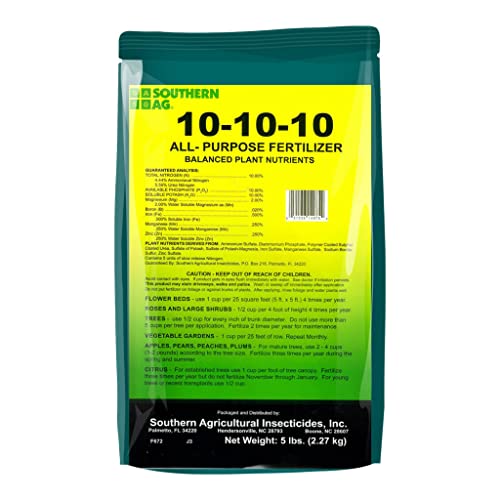

Supports Strong Roots & Growth – This avocado fertilizer helps promote deep root development, healthy foliage, and overall plant strength.
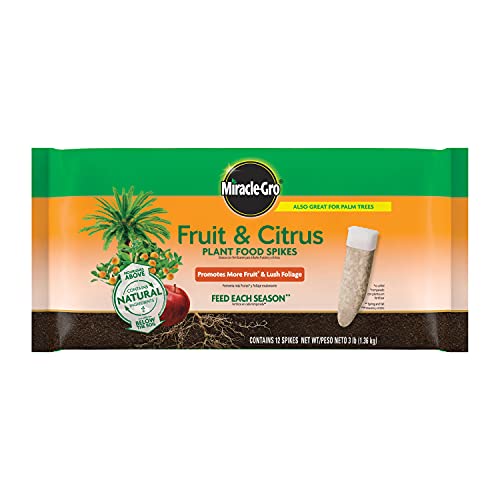
FORMULATED FOR CITRUS AND FRUIT TREES: Use these citrus fertilizer spikes on apple, orange, lemon, lime, and avocado trees; this formula is also great for feeding palm trees
Pruning Techniques
- Timing Matters: Prune your avocado tree in late winter or early spring. This timing allows for new growth in the growing season.
- Focus on Shape: Maintain an open center shape to improve sunlight penetration. Remove any crossing or crowded branches.
- Limit Height: If your tree grows too tall, cut back the height. Keeping it manageable enhances maintenance and harvest.
- Remove Dead or Diseased Wood: Check for and promptly remove any dead or diseased branches. This practice helps prevent disease spread.
Fertilization Guidelines
- Use Balanced Fertilizers: Apply a balanced fertilizer with equal parts nitrogen, phosphorus, and potassium (NPK). Look for a ratio like 10-10-10.
- Apply in Spring: Fertilize your avocado tree in early spring to support new growth. Follow up with another application in late summer.
- Soil Tests Help: Consider conducting soil tests before fertilization. These tests provide insights into nutrient deficiencies.
- Mulch Matters: Apply organic mulch around the base of the tree. This practice retains moisture and adds nutrients as it breaks down.
- Deep Watering is Key: Water your avocado tree deeply but infrequently. Aim for soaking the root zone to encourage strong root growth.
- Check Soil Moisture: Insert your finger about an inch into the soil. If it feels dry, it’s time to water.
- Avoid Overwatering: Ensure the soil drains well. Overwatering can lead to root rot, blocking fruit production.
- Consider Drip Irrigation: Install a drip irrigation system. This method provides consistent moisture and reduces water waste.
By implementing these practices, you enhance your avocado tree’s chances of producing fruit. Consistency in care leads to better growth and increased yield over time.
Common Challenges and Solutions
Avocado trees face several common challenges that can hinder fruit production. Addressing these issues helps increase your chances of getting fruit from your trees.
Recommended Products

PEST DEFENSE - Insecticidal Super Soap controls species of adelgid, ant, aphid, borer, caterpillar, spider mite, cricket, chinch bug, weevil, fly, thrip, & more.

Insecticidal Super Soap controls species of adelgid, ant, aphid, borer, caterpillar, spider mite, cricket, chinch bug, weevil, fly, thrip, and more

Pest and Disease Management
Pests and diseases can severely impact avocado trees. Common pests include aphids, spider mites, and mealybugs. Regular monitoring is crucial. Inspect leaves and stems frequently for signs of infestation. If you notice pests, treat them with insecticidal soap or neem oil.
Important diseases include root rot and fungal infections. Ensure proper drainage to prevent root rot. If you suspect fungal issues, apply a suitable fungicide according to package instructions. Healthy trees are less susceptible to diseases, so promote good air circulation by pruning excess foliage.
Environmental Stress Factors
Avocado trees thrive in specific environmental conditions. Temperature extremes can impede fruiting. Protect your trees from frost by covering them with frost cloth or placing mulch around their base. During heat waves, ensure they receive adequate shade in the afternoon.
Soil moisture is another key factor. Check soil regularly; it should not be waterlogged or completely dry. Practice deep watering to promote root growth. Use mulch to retain soil moisture and regulate temperature. Adjusting these environmental factors can significantly improve your tree’s resilience and fruiting capability.
Conclusion
With a little patience and the right care your avocado tree can thrive and reward you with delicious fruit. Remember to choose the right varieties for your climate and ensure they’re properly pollinated.
Regular maintenance like pruning and monitoring for pests will keep your tree healthy and productive. Don’t forget the importance of deep watering and using balanced fertilizers to support growth.
By following these tips and staying attentive to your tree’s needs you’ll be well on your way to enjoying homegrown avocados. Happy gardening and may your avocado tree flourish!
Frequently Asked Questions
Why isn’t my avocado tree producing fruit?
Avocado trees may not produce fruit due to factors like improper pollination, unsuitable climate, or poor care. Ensuring your tree has the right variety for your local climate, along with proper watering, fertilization, and pruning, can help stimulate fruit production.
What are the best avocado tree varieties for fruiting?
The best avocado tree varieties for fruiting are Guatemalan, Mexican, and West Indian. Planting a mix of Type A and Type B varieties nearby can enhance cross-pollination, leading to better fruit yield.
How do I encourage my avocado tree to fruit?
To encourage fruiting, ensure your avocado tree gets plenty of sunlight, has well-draining soil, and receives deep watering. Use balanced fertilizers, conduct regular pruning, and check for pests and diseases to maintain tree health.
What climate is ideal for avocado trees?
Avocado trees thrive in warm climates with temperatures between 60°F to 85°F. They prefer well-draining soil and full sunlight. Ensure your tree is protected from frost and extreme heat to promote optimal growth and fruiting.
How often should I water my avocado tree?
Water avocado trees deeply but infrequently, allowing the top few inches of soil to dry out between watering. Monitor soil moisture levels and consider using drip irrigation to maintain consistent moisture without overwatering.
What pests should I watch for with avocado trees?
Common pests that affect avocado trees include aphids, spider mites, and scale insects. Regular monitoring and treatments with insecticidal soap or neem oil can help manage these pests and protect your tree’s health.
How can I improve my avocado tree’s drainage?
To improve drainage, ensure your avocado tree is planted in well-draining soil. You can also amend the soil with organic materials like compost or mulch, and elevate the planting site if necessary to prevent water pooling.
When should I prune my avocado tree?
Prune your avocado tree in late winter or early spring before new growth begins. Focus on removing dead or diseased wood, shaping the tree for better sunlight penetration, and maintaining air circulation to promote healthy growth.
