

Have you ever planted a pomegranate tree and wondered when it’ll finally reward you with its vibrant, juicy fruit? You’re not alone. Many gardeners eagerly anticipate the moment their trees transition from beautiful blossoms to delicious, ruby-red pomegranates.
Understanding the timeline for fruit-bearing can help you nurture your tree more effectively. In this article, you’ll discover the key factors that influence when pomegranate trees start producing fruit, from age and climate to care techniques. By the end, you’ll be better equipped to enjoy the sweet rewards of your gardening efforts.
Key Takeaways
- Fruit Bearing Timeline: Pomegranate trees generally bear fruit within 2 to 5 years, depending on the variety planted, with early varieties maturing faster than late varieties.
- Optimal Growing Conditions: Pomegranates thrive in warm, dry climates, prefer well-draining soil with a pH of 5.5 to 7.0, and require regular sunlight exposure for successful fruit production.
- Growth Stages: The pomegranate tree goes through several growth stages, starting with germination, progressing to the juvenile stage, and finally leading to fruit-bearing, all of which require proper care and patience.
- Common Challenges: Pests, diseases, and environmental stress can hinder fruit production; effective management strategies include regular monitoring and maintenance practices to ensure tree health.
- Practical Care Tips: Select suitable varieties, maintain adequate watering, optimize soil conditions, fertilize wisely, and practice regular pruning to encourage fruit production and robust tree growth.
- Pollination Enhancement: Attracting pollinators by planting companion flowers can significantly increase the chances of successful fruit set and overall yield.
Factors Affecting Pomegranate Fruit Bearing
Understanding the key factors influencing pomegranate fruit bearing can significantly improve your gardening success. Several critical elements determine when your pomegranate trees begin to produce fruit.
Recommended Products

【4 in 1 function】This is a 4-in-1 multifunctional soil tester.Our soil tester fastly to measure soil moisture, pH, temperature and sunlight to help you take better care of flowers and plants.You can know when you need to water your soil by measuring moisture and pH & Temperature value of the soil and sunlight level of plants with it.

Kindly NOTE: This soil tester can not be applied to test pH value of any other liquid. If the soil is too dry the indicator will not move, and water it before testing.

Scientific maintenance: The 7 in one soil testing kit is more suitable for beginners, and can help you comprehensively understand the soil conditions of gardens and lawns, solving your confusion. You can adjust soil moisture and pH according to the values, and you can also clearly see the air temperature and humidity as well as soil temperature through the LCD display to improve plant growing conditions in time and scientifically nurture seedlings to help you make your plants flourish
Climate Requirements
Pomegranates thrive in warm, dry climates. They prefer temperatures between 70°F and 85°F (21°C and 29°C). Frost can damage young blooms, so choose a planting location with minimal frost risk. In regions with cooler temperatures, consider using containers to move your trees indoors during cold snaps. Regular sunlight exposure, ideally 6 to 8 hours daily, boosts flowering and fruiting.
Soil Conditions
Pomegranates prefer well-draining soil with a pH level between 5.5 and 7.0. Sandy loam or loamy soil works best. Ensure the soil contains organic matter to promote healthy root development. If your soil retains too much moisture, consider amending it with sand or compost. Regular soil testing helps maintain optimal conditions and nutrients, fostering stronger plants that produce fruit more quickly.
Growth Stages of Pomegranate Trees
Understanding the growth stages of pomegranate trees helps you anticipate their fruit-bearing timeline. Pomegranates go through several key stages before they produce fruit.
Germination
Germination begins when you plant pomegranate seeds. Seeds need warmth, moisture, and light to sprout. Ideal conditions include temperatures between 70°F and 85°F. After 2 to 3 weeks, you should see small seedlings emerging. Patience is crucial, as some seeds may take longer. Ensure the soil remains consistently moist but not soggy during this stage.
Juvenile Stage
Once seedlings grow into young plants, they enter the juvenile stage. This phase lasts about 3 to 4 years. During this period, pomegranate trees focus on developing a strong root system and healthy foliage. Keep the plants in well-draining soil, and water them regularly. Fertilizing with a balanced fertilizer boosts growth. By the end of the juvenile stage, trees should stand around 2 to 3 feet tall, preparing them for the next stages toward fruit production.
Typical Timeframe for Fruit Bearing
Pomegranate trees typically bear fruit within a specific timeline based on their variety and growing conditions. Understanding this timeframe helps you manage expectations and care for your trees effectively.
Early Varieties
Early pomegranate varieties can produce fruit in about 2 to 3 years after planting. Varieties such as ‘Early Wonderful’ and ‘Angel Red’ are known for their relatively quick maturation. You may observe flowers forming in the spring, while fruit typically develops by late summer or early fall. For optimal fruit production, ensure your trees receive full sunlight and adequate watering during this period.
Late Varieties
Late pomegranate varieties usually take longer to bear fruit, often 4 to 5 years after planting. Varieties like ‘Sweet’ and ‘Parfianka’ are examples of these longer-maturing types. These trees often bloom in late spring, with fruit appearing in late fall or early winter. To enhance growth, maintain proper soil conditions and protect the trees from frost, as cold weather can hinder fruit development. Regular pruning can also encourage more vigorous yields in subsequent years.
Common Challenges in Fruit Bearing
Waiting for pomegranate trees to bear fruit presents several challenges. Understanding these obstacles can help you take proactive steps to overcome them.
Recommended Products
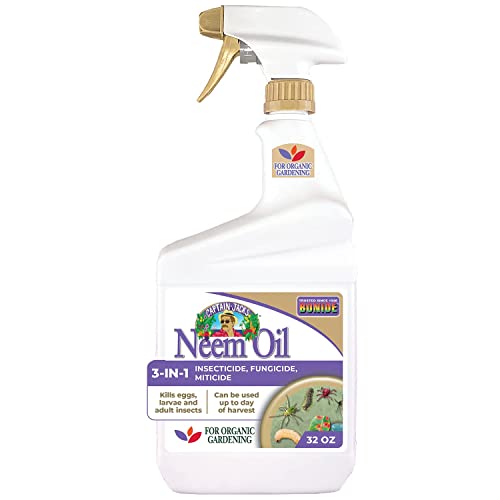
MULTI-PURPOSE BUG KILLER - Bonide Neem Oil is a perfect pest control solution for any garden dealing with mites, flies, mildew, and more. This product is a three-in-one fungicide, miticide, and insecticide.

INSECT KILLER: BioAdvanced Organics Brand Neem Oil spray controls aphids, whiteflies, spider mites, and other listed pests

Protect your oasis with Captain Jack’s Neem Max Ready-to-Use Spray; this multipurpose product acts as a 4-in-1 insecticide, fungicide, miticide and nematicide
Pests and Diseases
Pests and diseases significantly impact the fruit-bearing process. Common pests include aphids, spider mites, and whiteflies. These insects can weaken plants, preventing them from producing fruit. Monitor your trees regularly for signs of infestation, such as discolored leaves or webbing. Implement solutions like insecticidal soap or neem oil to manage these pests effectively.
Diseases such as root rot, powdery mildew, and fruit split can also hinder production. Ensure good air circulation around your trees and avoid overwatering to minimize the risk of root rot. Treat powdery mildew with fungicides at the first sign of the disease.
Environmental Stress
Environmental factors play a critical role in fruit development. Extreme temperatures, both hot and cold, can stress your pomegranate trees. Pomegranates thrive in temperatures between 70°F and 85°F. Protect your trees from frost during winter months by covering them with frost blankets or bringing younger trees indoors if they’re in pots.
Watering practices greatly affect fruit bearing as well. Inadequate hydration can lead to drought stress, while overwatering can cause root issues. Aim for balanced irrigation, allowing the soil to dry between waterings. Regularly check soil moisture to determine when to water.
Maintaining ideal growing conditions ensures your pomegranate trees can overcome these common challenges and successfully bear fruit.
Tips for Encouraging Fruit Production
Fostering healthy pomegranate trees increases the chances of abundant fruit production. Follow these practical tips to boost your tree’s yield.
Select the Right Variety
Choose varieties suited for your climate. ‘Early Wonderful’ thrives in warm areas, while ‘Parfianka’ performs better in cooler settings. Research local conditions to find the most productive option.
Ensure Proper Watering
Water your pomegranate tree regularly, especially during dry spells. Aim for deep watering once a week rather than light, frequent sprinklings. This encourages robust root development.
Optimize Soil Conditions
Test your soil regularly. Pomegranates prefer well-draining soil with a pH of 5.5 to 7.0. Amend clay-heavy soils with organic matter to improve drainage and retention.
Fertilize Wisely
Use a balanced fertilizer in early spring. Apply according to package instructions to prevent over-fertilization, which can harm the tree. Organic options like compost provide slow-release nutrients.
Prune for Growth
Prune your pomegranate tree in late winter or early spring. Remove dead or crowded branches to improve sunlight exposure and air circulation, promoting stronger growth and fruit production.
Protect from Pests
Monitor for pests regularly. Aphids and spider mites are common threats to fruit-bearing trees. Use organic solutions, such as insecticidal soap, to control infestations promptly.
Manage Environmental Stress
Shield your tree from extreme weather. Provide shade during excessive heat and cover it during unexpected frosts. Mulching can also help regulate soil temperature and moisture.
Increase Pollination Opportunities
Consider planting companion flowers nearby to attract pollinators. Flowers like sunflowers or marigolds draw bees, enhancing pollination rates for your pomegranate blossoms.
Maintain Consistent Care
Stay vigilant throughout the tree’s growth cycle. Consistent watering, fertilization, and pest management strategies help maintain tree health, ultimately leading to fruitful harvests.
Conclusion
Waiting for your pomegranate trees to bear fruit can be an exciting journey. By understanding the factors that influence fruit production and providing the right care, you can set your trees up for success. Remember that patience is key as you nurture them through their growth stages.
With proper attention to climate, soil conditions, and pest management, you’ll increase your chances of enjoying a bountiful harvest. So keep tending to your trees and before you know it, you’ll be rewarded with those delicious, ruby-red pomegranates. Happy gardening!
Frequently Asked Questions
How long does it take for a pomegranate tree to bear fruit?
Pomegranate trees typically start bearing fruit between 2 to 5 years after planting, depending on the variety. Early varieties like ‘Early Wonderful’ and ‘Angel Red’ may produce fruit in 2 to 3 years, while later varieties like ‘Sweet’ and ‘Parfianka’ usually take 4 to 5 years.
What climate is best for growing pomegranates?
Pomegranates thrive in warm, dry climates with temperatures between 70°F and 85°F. They prefer minimal frost risk and do best in sunny environments, as these conditions promote healthy flower and fruit development.
What soil is best for pomegranate trees?
Pomegranate trees prefer well-draining soil with a pH level between 5.5 and 7.0. Regular soil testing helps maintain optimal conditions, ensuring the trees receive the nutrients they need for healthy growth and fruit production.
How do I care for my pomegranate tree?
Proper care includes regular watering, especially deep irrigation once a week, and balanced fertilization in early spring. Pruning should occur in late winter or early spring to encourage growth, alongside monitoring for pests and diseases.
What common pests and diseases affect pomegranate trees?
Common pests include aphids and spider mites, while diseases like root rot and powdery mildew can also pose threats. Regular monitoring and preventive measures, such as ensuring good air circulation and using insecticidal soap, are essential for maintaining tree health.
How can I improve the pollination of my pomegranate trees?
To enhance pollination, consider planting companion flowers nearby to attract pollinators. Additionally, maintaining a healthy ecosystem and ensuring proper tree care can naturally boost pollination rates.
What factors influence the fruit-bearing process of pomegranate trees?
Key factors include the tree’s age, climate, soil conditions, and care techniques. A healthy tree requires consistent care to develop properly and produce fruit. Fertility, watering practices, and protection from environmental stress also play significant roles.
