

Have you ever come across a strawberry tree and wondered if its fruit is safe to eat? You’re not alone. Many people are curious about this unique tree that bears fruit resembling strawberries, but with a twist.
Key Takeaways
- Strawberry Tree Overview: The strawberry tree (Arbutus unedo) is an evergreen tree native to the Mediterranean, known for its visually appealing bark and unique fruit resembling strawberries.
- Edibility of Arbutus Berries: Ripe arbutus berries are safe to eat and offer a sweet, slightly tart flavor, but unripe berries can cause digestive discomfort. Always ensure the fruit is fully ripened before consumption.
- Nutritional Benefits: Arbutus berries provide essential nutrients, including Vitamin C and dietary fiber, making them a healthy addition to your diet when consumed in moderation.
- Culinary Versatility: These berries can be used in various recipes, from jams and fruit salads to smoothies and sauces for meats, adding unique flavor and color to your dishes.
- Foraging Considerations: If foraging, confirm berry identification and ensure they come from pesticide-free sources. Thoroughly wash the berries before consumption to remove contaminants.
- Wildlife Attraction: Strawberry trees not only provide edible fruit but also attract wildlife, enhancing biodiversity in gardens and natural ecosystems.
Overview of the Strawberry Tree
The strawberry tree (Arbutus unedo) is a unique evergreen tree native to the Mediterranean region. It features shiny, dark green leaves and can grow between 10 to 30 feet tall. The tree’s bark is rich in color, resembling a reddish-brown hue, which adds an attractive visual element to gardens and landscapes.
The most notable aspect is its fruit. Strawberry tree fruit, known as “arbutus berries,” are small, round, and resemble strawberries. They start as green and ripen to a bright red or orange shade. The fruit typically measures about 1 inch in diameter and has a sweet, slightly tart flavor when fully ripe.
In terms of habitat, strawberry trees thrive in well-drained soil and full sun. They often grow in dry, rocky slopes or coastal areas, making them resilient to various environmental conditions.
Despite their strawberry-like appearance, arbutus berries differ significantly from traditional strawberries. The texture and taste of the berries can be quite different from the familiar fruit you may know. They contain small seeds and can be eaten raw or used in jams and desserts.
When considering consumption, ensure the berries are fully ripe, as unripe fruit may have a more astringent flavor. While the berries are safe to eat in moderation, excessive consumption can lead to mild gastrointestinal discomfort for some individuals. If you’re foraging, always verify identification and ensure the source is free from pesticides.
The strawberry tree also attracts various wildlife, including birds and insects. This enhances biodiversity in the garden, contributing to a healthy ecosystem.
The Fruit of the Strawberry Tree
The fruit of the strawberry tree, known as arbutus berries, offers a unique culinary experience. These small, round berries transition from green to vibrant red or orange as they ripen, presenting an enticing appearance.
Recommended Products

Delicious Marion blackberry jam


HAND-HARVESTED - From select regions of Italy, our heirloom fruits are sweet, intense, and true to flavor. It speaks to the pride of the farmers who produce them & cannot be found anywhere else
Description and Characteristics
Arbutus berries measure about 1 to 2 centimeters in diameter and feature a bumpy, textured skin. Their flavor profile combines sweetness with a hint of tartness, reminiscent of apples rather than traditional strawberries. The consistency is grainy, differing significantly from the smooth texture of common berries. They grow in clusters on the tree and typically ripen from late fall through winter. Opt for fully ripened berries to enjoy the best taste, avoiding unripe green ones due to their sourness.
Nutritional Value
Arbutus berries are packed with nutritional benefits. Each serving contains approximately:
| Nutrient | Per 100g |
|---|---|
| Calories | 50 |
| Carbohydrates | 12g |
| Sugars | 6g |
| Fiber | 3g |
| Protein | <1g |
| Fat | <1g |
| Vitamin C | 20 mg |
These berries provide antioxidants, vitamins, and minerals. Vitamin C supports your immune system, while dietary fiber aids digestion. You can enjoy arbutus berries raw or incorporate them into jams, desserts, or sauces to enhance various dishes.
Edibility of the Strawberry Tree Fruit
The strawberry tree, or Arbutus unedo, produces edible fruit known as arbutus berries. These berries offer a unique flavor and texture, making them a delightful addition to your diet. However, understanding their edibility is crucial.
Recommended Products

EDIBLE & UNIQUE FRUIT – Produces bright red-orange berries that can be enjoyed fresh or used in jams, liqueurs, and other culinary creations.
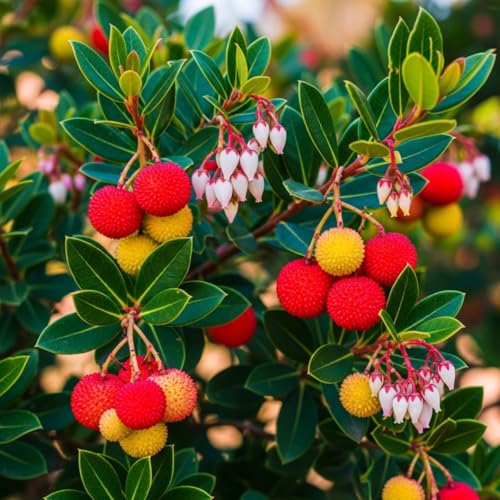
NON-GMO SEEDS: Our 30 Arbutus unedo seeds are carefully selected and non-GMO. Enjoy healthy, natural plants grown from trusted seeds.

Strawberry Tree Seeds for Planting: Grow Arbutus unedo, an evergreen ornamental tree or large shrub known for colorful strawberry shaped fruit, clusters of white flowers and glossy green foliage. Its combination of flowers and fruit provides unusual multi season landscape interest
Can You Eat Fruit From a Strawberry Tree?
You can eat fruit from a strawberry tree. The ripe arbutus berries are safe and enjoyable. Their sweetness, combined with a hint of tartness, makes them suitable for snacking or using in recipes. As they ripen from green to bright red or orange, their flavor intensifies. Enjoy them fresh, in jams, or in desserts.
Safety and Potential Risks
While ripe arbutus berries are generally safe, caution is necessary. Unripe berries may cause digestive discomfort. It’s essential to pick only fully ripe berries for the best taste and safety. Also, ensure that the berries come from a pesticide-free source if you’re foraging. Always wash them thoroughly before consumption to remove any contaminants. Keep an eye out for any allergic reactions, especially if trying them for the first time.
Culinary Uses and Recipes
Arbutus berries offer various culinary uses, making them a delightful addition to your kitchen. Their sweet and slightly tart flavor shines in numerous dishes.
- Jams and Jellies
Make arbutus berry jams by cooking ripe berries with sugar and lemon juice. The result is a sweet spread with a unique flavor. Combine equal parts of berries and sugar for a balanced preserve. - Fruit Salads
Add arbutus berries to fruit salads for a colorful twist. Their bumpy texture contrasts with smooth fruits like melon. Mix with strawberries, kiwi, and blueberries for a vibrant dish. - Pies and Crumbles
Incorporate arbutus berries into pies or crumbles for added sweetness. Use a classic pie crust and mix the berries with sugar, cinnamon, and cornstarch. Bake until bubbly and golden. - Smoothies
Blend ripe arbutus berries in smoothies for natural sweetness. Pair with yogurt, bananas, and spinach for a nutritious drink. Adjust the consistency by adding milk or juice as needed. - Sauces for Meats
Create a unique sauce for meats by simmering arbutus berries with red wine and spices. This complements pork or chicken. Strain the mixture and serve it as a drizzle over your cooked proteins. - Infused Beverages
Use arbutus berries to infuse beverages like water or tea. Add the berries to a pitcher, and let them steep for a refreshing drink. Combine with mint or citrus for added flavor.
Embrace the versatility of arbutus berries in both sweet and savory dishes. Their unique taste and vibrant color enhance many recipes, allowing you to experiment in the kitchen.
Recommended Products

17 ounces of organic mixed berry fruit spread
Use Stonewall Seedless Raspberry Preserves as a fruit spread for breakfast, spreading on toast or bread

1-8 ounce jars of Mrs. Millers homemade jelly
Conclusion
You can definitely enjoy the fruit from a strawberry tree. Ripe arbutus berries offer a unique flavor and can add a delightful twist to your meals. Whether you’re snacking on them raw or using them in your favorite recipes, these berries bring a bit of Mediterranean magic to your kitchen. Just remember to steer clear of unripe berries and always wash them well before indulging. With their vibrant color and nutritional benefits, arbutus berries can be a fun and tasty addition to your diet. So go ahead and explore the possibilities they offer!
Frequently Asked Questions
What is a strawberry tree?
The strawberry tree, or Arbutus unedo, is an evergreen tree native to the Mediterranean. It features shiny dark green leaves and reddish-brown bark, producing small, round fruits known as arbutus berries that resemble strawberries.
Are the fruits of the strawberry tree safe to eat?
Yes, the ripe arbutus berries are safe to eat and can be enjoyed raw or used in recipes like jams and desserts. However, it’s important to avoid unripe berries, as they may cause digestive discomfort.
How do arbutus berries taste?
Arbutus berries have a sweet and slightly tart flavor, reminiscent of apples, with a grainy texture that differs from traditional strawberries. The taste intensifies as the berries ripen.
Where does the strawberry tree grow best?
The strawberry tree thrives in well-drained soil and full sun, often found in dry, rocky slopes or coastal areas. It prefers Mediterranean climates and contributes to local biodiversity.
What are the nutritional benefits of arbutus berries?
Arbutus berries are low in calories and high in vitamins, providing around 50 calories, 12g of carbohydrates, and 20mg of vitamin C per 100g. They offer antioxidants and fiber, supporting immune health and digestion.
How can I use arbutus berries in cooking?
Arbutus berries are versatile in the kitchen. They can be made into jams, added to fruit salads, incorporated into pies and smoothies, or used in savory sauces and infused beverages for added flavor.
