

Have you ever found yourself wondering if blackberries and raspberries are actually the same plant? Picture this: You’re at the grocery store, eyeing the fresh produce section, trying to decide between these two delicious berries. But are they truly different or just siblings from the same plant family?
In this article, we’ll explore the intriguing world of blackberries and raspberries. By clarifying their distinctions and similarities, you’ll gain a deeper understanding of these popular fruits. So next time you’re faced with choosing between them, you’ll be equipped with valuable knowledge to make an informed decision.
Key Takeaways
- Blackberries and raspberries are distinct fruits with unique characteristics in terms of appearance, taste, and nutritional value.
- Botanically, they belong to the same plant family but are different species within the Rubus genus, showcasing variances in plant structure and fruit formation processes.
- Culinary uses of blackberries and raspberries include fresh consumption, smoothies, baking, salads, and preserves.
- Both berries offer health benefits such as high fiber content, essential vitamins like C & K, and antioxidants that support overall well-being.
- Understanding the ideal climate and soil conditions for growing blackberries and raspberries is crucial for successful cultivation.
Defining Blackberries and Raspberries
When it comes to distinguishing between blackberries and raspberries, understanding their unique characteristics is key. Let’s delve into the defining features of each to help you differentiate between these delicious berries with ease.
Characteristics of Blackberries
Blackberries are known for their deep color, which can range from dark purple to black when ripe. These juicy berries belong to the Rubus genus and are part of the Rosaceae family. They typically have a sweet-tart flavor profile that appeals to many palates.
- Appearance: Blackberries are characterized by their cluster-like appearance, with multiple drupelets grouped together around a core.
- Taste: The taste of blackberries can vary depending on the variety but generally offers a rich, sweet flavor with a slight tartness.
- Nutritional Value: These berries are packed with essential nutrients like vitamin C, vitamin K, fiber, and antioxidants that contribute to overall health benefits.
Characteristics of Raspberries
Raspberries are another popular berry variety distinguished by their vibrant red color when ripe. Like blackberries, raspberries also belong to the Rubus genus under the Rosaceae family but have distinct differences in taste and appearance.
- Structure: Raspberries are made up of small individual drupelets clustered together in a hollow core that detaches from the plant when picked.
- Flavor Profile: Raspberries offer a delicate balance of sweetness and tartness that varies slightly depending on the specific cultivar.
- Health Benefits: Rich in vitamins C and K, fiber, and antioxidants like ellagic acid, raspberries provide numerous health advantages when incorporated into your diet.
By recognizing these unique characteristics of blackberries and raspberries, you’ll be better equipped to choose between them based on your preferences or recipe requirements at the grocery store or farmer’s market.
Botanical Differences
When it comes to the botanical variances between blackberries and raspberries, there are distinct differences in their plant structure and fruit formation processes that set them apart.
Plant Structure and Growth
Blackberries and raspberries belong to the same plant family, Rosaceae, but they are different species within the Rubus genus. Blackberry bushes tend to grow upright with sturdy canes that have thorns. On the other hand, raspberry plants have more flexible canes that require support for optimal growth.
Fruit Formation and Harvesting
The way blackberries and raspberries produce fruit also showcases their dissimilarities. Blackberries typically have a core inside each berry when picked, while raspberries are hollow at harvest. This variance affects how easily they detach from the plant during harvesting. Blackberry fruits are pulled from the plant with a white cone left behind, whereas raspberries come off leaving a hollow core.
Understanding these botanical disparities can help you appreciate the unique characteristics of blackberries and raspberries as you choose between them for your culinary or nutritional needs.
Common Uses and Nutritional Benefits
When it comes to blackberries and raspberries, each berry offers unique culinary uses and nutritional benefits that make them stand out. Let’s explore how these berries can enhance your diet and boost your health.
Culinary Uses of Blackberries and Raspberries
Blackberries and raspberries are versatile fruits that can be enjoyed in various ways. You can incorporate them into your meals or snacks to add a burst of flavor and nutrition. Here are some common culinary uses of blackberries and raspberries:
- Fresh Consumption: Enjoy blackberries and raspberries as a tasty snack on their own.
- Smoothies: Blend blackberries or raspberries into smoothies for a refreshing drink.
- Baking: Use these berries in pies, tarts, muffins, or cakes for a delicious dessert.
- Salads: Add blackberries or raspberries to salads for a pop of color and sweetness.
- Preserves: Make jams, jellies, or sauces using blackberries or raspberries.
By incorporating blackberries and raspberries into your cooking routine, you can elevate the taste of your dishes while reaping the nutritional benefits they offer.
Health Benefits and Nutritional Profiles
Both blackberries and raspberries are packed with essential nutrients that contribute to overall health. Here are some key health benefits and nutritional profiles of these berries:
| Nutrient | Blackberry (per 100g) | Raspberry (per 100g) |
|---|---|---|
| Calories | 43 | 52 |
| Fiber | 5.3g | 6.5g |
| Vitamin C | 21mg | 26.2mg |
| Vitamin K | 19.8mcg | 7.8mcg |
| Antioxidants | High | High |
- Antioxidant Power: Both berries contain antioxidants that help protect cells from damage.
- Fiber Richness: The high fiber content supports digestion and may aid in weight management.
- Vitamins & Minerals: Blackberries and raspberries provide essential vitamins like C & K, crucial for immune function.
Incorporating these nutrient-dense berries into your diet can contribute to your overall well-being by boosting immunity, aiding digestion, and promoting cell health.
Growing Conditions and Cultivation
When it comes to growing blackberries and raspberries, understanding the ideal climate and soil conditions for each berry is crucial. Here’s a breakdown of what you need to know:
Recommended Products

Premium Collection: Includes our top 4 blackberry varieties for a diverse and abundant harvest
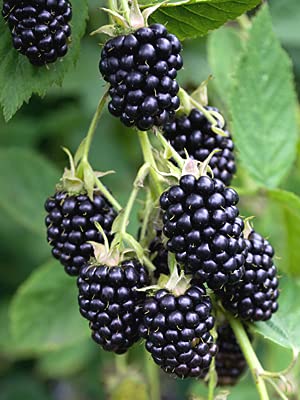
Includes four (4) "Natchez" Blackberry Plants with USPS Shipping. These are 2 inch rooted plants shipped in 2 inch tray pots and are 3-6 inches tall.

Ideal Climate and Soil for Each Berry
- Blackberries thrive in temperate climates with full sun exposure. They prefer well-drained soil that is rich in organic matter. Blackberries are hardy plants that can tolerate a wide range of soil types but do best in slightly acidic soil with a pH level between 5.5 and 6.5.
- Raspberries, on the other hand, also enjoy full sun but are more sensitive to heat than blackberries. They grow well in cooler climates and require well-draining soil with good fertility. Raspberries prefer slightly acidic soil similar to blackberries, with a pH level between 5.6 and 6.2.
- Planting: When planting blackberries or raspberries, choose a sunny spot in your garden with good air circulation to prevent diseases. Ensure proper spacing between plants according to the specific variety you’re growing.
- Watering: Both berries need consistent watering, especially during dry periods or when fruit is developing. Mulching around the plants can help retain moisture in the soil.
- Pruning: Regular pruning is essential for maintaining healthy blackberry and raspberry bushes. Prune out old canes after fruiting to encourage new growth for the next season.
- Fertilizing: Consider conducting a soil test before fertilizing your berry plants to determine their nutrient needs accurately.
Conclusion
So, there you have it! Blackberries and raspberries may share similarities, but they are indeed distinct in their own right. From their botanical differences to culinary uses and nutritional benefits, these berries offer a delightful array of flavors and health perks. Whether you prefer the tartness of raspberries or the sweetness of blackberries, both fruits bring a burst of goodness to your table. Remember to enjoy them fresh, in jams, pies, smoothies, or salads for a tasty and nutrient-packed treat. With their abundance of fiber, antioxidants, and essential vitamins like C & K, blackberries and raspberries make valuable additions to your diet. So go ahead, savor the unique qualities of each berry and relish the goodness they bring into your life!
Frequently Asked Questions
What are the botanical differences between blackberries and raspberries?
Blackberries belong to the Rubus genus, characterized by a cluster of drupelets around a core, while raspberries come from the Rubus genus as well but have a hollow center when picked.
What are the common uses of blackberries and raspberries?
Blackberries and raspberries are commonly used in desserts, jams, sauces, smoothies, salads, and baked goods due to their sweet-tart flavor profile.
What are the nutritional benefits of blackberries and raspberries?
Both berries are rich in fiber, antioxidants like anthocyanins, vitamins C & K, and minerals like manganese. They offer numerous health benefits including improved digestion and immune support.
How can I grow blackberries and raspberries at home?
Plant blackberry bushes in well-drained soil with full sun exposure. For raspberries, ensure proper spacing for airflow to prevent diseases. Prune regularly for optimal growth.
What climate conditions do blackberries and raspberries thrive in?
Blackberry plants prefer sunny locations with moderate temperatures while raspberry plants thrive in cooler climates with consistent moisture levels. Both require protection from strong winds.
