

Have you ever wondered how to propagate your favorite fruit trees without the hassle of seeds? Air layering might be the perfect solution for you. This technique allows you to grow new plants while ensuring they retain the same qualities as the parent tree, giving you a reliable way to expand your garden.
Key Takeaways
- Optimal Timing: The best times to air layer fruit trees are in spring and early summer, taking advantage of active growth and heightened sap flow.
- Branch Selection: Choose healthy, young to medium-aged branches with vibrant leaves to increase the chances of successful rooting.
- Step-by-Step Process: Follow essential steps including preparing the branch, applying rooting hormone, and wrapping with moist sphagnum moss and plastic to promote root development.
- Success Rates: Air layering generally has higher success rates than other propagation methods, making it a reliable choice for various fruit tree species, especially citrus.
- Environmental Considerations: Monitor local weather conditions; conduct air layering on overcast days to minimize moisture loss and support root growth.
- Post-Care Management: After roots have developed, sever the new plant, transplant it carefully, and gradually acclimate it to its new environment for optimal growth.
Understanding Air Layering
Air layering is a practical method for propagating fruit trees. This technique promotes root development while the branch remains attached to the parent tree. The result is a new plant that genetically matches the original.
Recommended Products
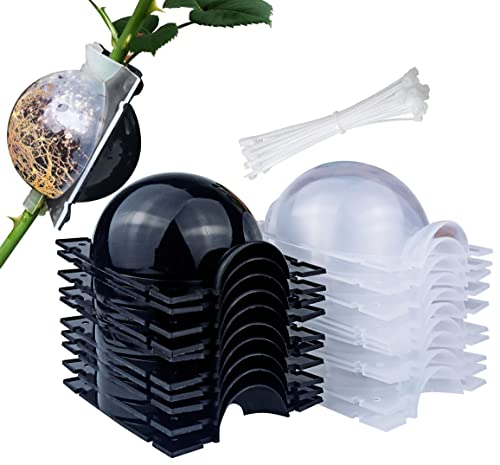
Simplify Process & Easy to Install: Our rooting ball make the process of packing the branches much easier than the old way of using plastic wrap. Corner buckles, bottom sheets & zip ties together fix the ball at the proper place without professional.

Simplify Process & Easy to Install: Our rooting ball make the process of packing the branches much easier than the old way of using plastic wrap. Corner buckles, bottom sheets & zip ties together fix the ball at the proper place without professional.

Simplify Process & Easy to Install: Our rooting ball make the process of packing the branches much easier than the old way of using plastic wrap. Corner buckles, bottom sheets & zip ties together fix the ball at the proper place without professional.
Ideal Timing for Air Layering
Timing is crucial for successful air layering.
- Spring: This season offers optimal conditions. As temperatures rise and growth accelerates, branches typically produce new leaves and shoots.
- Early Summer: If spring passes, early summer also works well. This allows enough time for roots to form before colder weather arrives.
Selecting the Right Branch
Choosing the correct branch is key to success.
- Healthy Branches: Select branches that exhibit vibrant green leaves and strong growth. Avoid branches affected by disease or pests.
- Young to Medium-Aged: Young to medium-aged branches are preferable. These branches have flexibility and vigor needed for successful layering.
Steps for Air Layering
Follow these steps to perform air layering effectively:
- Prepare the Branch: Remove a strip of bark about one inch wide, making a clean cut. Ensure the cut extends around the branch.
- Apply Rooting Hormone: Treat the exposed area with rooting hormone. This product encourages root growth.
- Wrap with Moist Sphagnum Moss: Apply moistened sphagnum moss around the cut. Ensure it covers the entire exposed area.
- Cover with Plastic: Wrap plastic wrap tightly around the moss. This retains moisture and protects the area.
- Secure the Ends: Use twine or tape to secure both ends of the plastic, ensuring it stays in place.
- Monitor Growth: Check the moss regularly. Keep it moist but not overly soggy. In several weeks, roots will begin to form.
Recognizing Successful Layering
You’ll know air layering is successful when you see roots emerging through the moss. This can take anywhere from six weeks to several months, depending on tree variety and environmental conditions.
Post-Layering Care
Once roots establish, follow these steps:
- Sever the New Plant: Cut the new plant from the parent tree below the roots.
- Transplanting: Place the new plant in a suitable pot. Ensure adequate soil and drainage.
- Acclimatization: Gradually acclimate the new plant to its new environment. Start in partial shade before moving it to full sun.
These guidelines ensure a successful air layering process. By understanding and implementing air layering, you expand your fruit tree garden effectively.
Benefits Of Air Layering Fruit Trees
Air layering fruit trees offers numerous advantages for gardeners looking to expand their orchards. This technique enhances root development and significantly increases the likelihood of successful propagation.
Improved Root Development
Air layering encourages robust root growth while the new plant stays connected to the parent tree. You create a conducive environment for roots by wrapping a selected branch in moist sphagnum moss. This method allows roots to absorb nutrients and moisture from the parent tree, which strengthens development before severing. Once the roots emerge, the new plant benefits from a well-established root system, leading to stronger growth after transplanting. Examples include apple or peach trees, which thrive with air layering, yielding healthy offspring.
Increased Success Rate
Air layering boasts a higher success rate compared to other propagation methods. By controlling the conditions—such as humidity, moisture, and support from the parent tree—you optimize the chances of rooting. This technique eliminates the uncertainties associated with seed germination or cutting propagation. For instance, citrus trees typically exhibit excellent results with air layering, often achieving success rates above 80%. This reliability makes air layering an appealing choice for both novice and experienced gardeners.
When To Air Layer Fruit Trees
Timing is crucial for successful air layering in fruit trees. The best time to air layer is during spring and early summer when trees are actively growing. During this period, the sap flow is high, which promotes root development while the branch remains attached to the parent tree.
Recommended Products

[Air layering technique] Marcotting is a method of asexual propagation of plants. Applying the air layering technique, this rooting box promotes faster initial rooting and produces shoots with a 2x growth rate. It also helps to absorb more nutrients while keeping the branches in place, increasing the plant's survival rate.

Elsjoy Air Layering Propagation Kit includes 30 root growing balls in 3 sizes (10 pcs each), plus 120 zip ties. Cloning uses only one small branch, so it does not affect the tree's natural growth. Propagation takes a few weeks to six months depending on the plant.
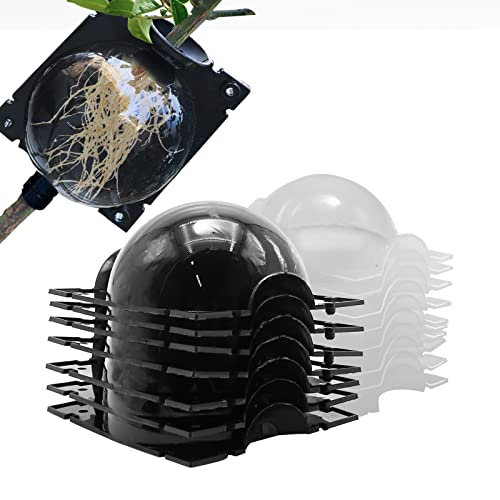
Complete Propagation Kit: This air layering propagation kit includes 10 reusable pods—everything you need to clone plants like roses, figs, and fruit trees without buying separate tools
Seasonal Considerations
Spring marks the ideal season for air layering. As temperatures warm, trees begin to produce new growth. This growth enhances the branch’s ability to form roots. Early summer is also suitable, but aim for the period before the heat peaks. Monitor local weather conditions and consider conducting air layering during overcast days to prevent moisture loss.
Tree Species Variations
Different fruit tree species respond uniquely to air layering.
- Citrus Trees: Generally exhibit high success rates, often exceeding 80%.
- Apple Trees: Success rates hover around 60% to 70%, making them reliable candidates.
- Peach Trees: Benefit from air layering, but proper timing is crucial; late spring or early summer enhances their chances.
- Plum Trees: Require careful selection of branches, as younger growth thrives better.
Understand the specific needs and characteristics of each species before starting your air layering process. This knowledge increases the likelihood of a successful propagation outcome.
Steps For Successful Air Layering
Follow these steps for effective air layering of your fruit trees.
Recommended Products
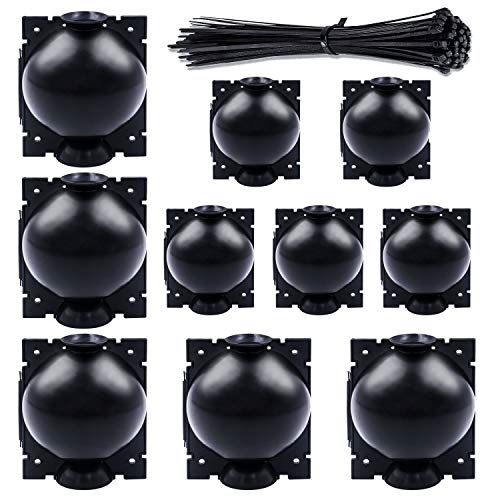
Tree Root Growing Box: The cutting globe design helps your cuttings get stronger roots and reproduce more mature trees faster than the normal spread method.

【Super Value】--Including 8 Pack of small rooting balls ,Fit branch size: 0.15~0.35 inch,We give you 30 extra cable ties to help you secure the root ball better.

Simple to use: choose a healthy branch of the plant, cut and peel off a circle of bark. Fill plant rooting device with moist soil, and then fix the rooting box to the place where the bark is peeled off.
Preparing The Branch
Select a healthy, young to medium-aged branch. Look for one that’s about the thickness of a pencil. Clean the area where you plan to layer. Remove any leaves or small twigs to encourage energy to focus on root development. Make a shallow cut around the branch, about one-third of the way through the bark. This cut, known as girdling, helps create the ideal environment for root growth.
Applying The Medium
Once you’ve prepared the branch, apply rooting hormone to the exposed area. This stimulates root formation. Next, wrap the area with moist sphagnum moss. Aim for a thickness of at least two inches. The moss retains moisture and promotes healthy roots. Cover the moss with plastic wrap. Tie both ends securely to keep the moisture in and prevent the moss from drying out. Check your setup regularly to ensure the moss stays moist.
Conclusion
Air layering is a fantastic way to propagate your favorite fruit trees while ensuring they retain the qualities you love. By choosing the right time and branches you can set yourself up for success. Remember to keep an eye on the conditions and follow the steps carefully for the best results.
With a little patience and care you’ll soon have new plants ready to thrive in your garden. Embrace this rewarding technique and enjoy the fruits of your labor as you expand your collection of beautiful fruit trees. Happy gardening!
Frequently Asked Questions
What is air layering?
Air layering is a propagation technique that allows gardeners to create new plants that are genetically identical to the parent tree. It involves inducing root growth while a branch remains attached to the parent plant.
Why should I use air layering for fruit trees?
Air layering is highly effective and reliable for propagating fruit trees. It ensures the new plant maintains the same traits as the parent, leading to stronger, healthier growth after transplanting.
When is the best time to perform air layering?
The best time for air layering is during spring and early summer. This period coincides with active tree growth and high sap flow, which promote successful root development.
How do I prepare a branch for air layering?
To prepare a branch, select a healthy, young to medium-aged branch about the thickness of a pencil. Remove any leaves or twigs nearby and make a shallow cut around the branch to encourage root growth.
What materials do I need for air layering?
For air layering, you’ll need rooting hormone, moist sphagnum moss, plastic wrap, and string. These materials create a conducive environment for root development after wrapping the prepared branch.
How can I tell if my air layering was successful?
Successful air layering is indicated by roots emerging through the sphagnum moss. This usually takes several weeks, and once roots are established, you can sever the new plant from the parent tree.
What care is needed after air layering?
After air layering, carefully sever the new plant from the parent tree. Transplant it into a suitable pot or garden area and acclimatize it slowly to its new environment to help reduce transplant shock.
Which fruit trees respond best to air layering?
Citrus trees typically have a high success rate exceeding 80%, while apple trees range from 60% to 70%. Peach trees also benefit from proper timing, and plum trees need careful branch selection for optimal results.
