

When’s the best time to prune your fruit trees? If you’ve ever stood in your garden, wondering when to grab those shears, you’re not alone. Many gardeners face the same dilemma, eager to ensure their trees thrive and produce delicious fruit.
Key Takeaways
- Pruning Timing: Late winter and early spring are the ideal times for pruning most fruit trees to promote vigorous growth and health.
- Dormant vs. Active Pruning: Focus on dormant pruning in late winter for apple and pear trees, while summer pruning can be done for controlling growth and improving air circulation.
- Climatic Influence: Pruning timing may vary based on local climate conditions; consider frost dates and tree variety for optimal results.
- Essential Tools: Use high-quality pruning shears, loppers, and saws for effective pruning and ensure tools are clean and sharp before use.
- Aftercare: Watering, fertilizing, and mulching are essential post-pruning practices to support tree recovery and growth.
Understanding Fruit Tree Pruning
Pruning fruit trees helps maintain their health, shape, and productivity. Proper pruning encourages better air circulation, sunlight penetration, and fruit production.
Types of Pruning
- Dormant Pruning: Prune in late winter or early spring while trees are dormant. This method promotes vigorous growth in the coming season. Remove dead, damaged, or crossing branches.
- Maintenance Pruning: Regularly prune to manage tree size and shape. This involves trimming throughout the growing season, focusing on thinning crowded areas and removing suckers.
- Summer Pruning: Prune during the summer to control growth and improve air circulation. Trim soft growth and reduce the canopy size if trees become overly dense.
Timing for Pruning
- Late Winter/Early Spring: Ideal for most fruit tree varieties. Timing should coincide with the end of winter but before buds break.
- Mid-Summer: If you prefer summer pruning, wait until after the fruit sets for minimal disruption.
Tools Needed
- Pruning Shears: For small branches and light pruning tasks.
- Loppers: For thicker branches, typically up to two inches in diameter.
- Saw: For larger branches that require more cutting power.
Safety Tips
- Wear Gloves: Protect your hands while pruning.
- Use Proper Footwear: Wear sturdy shoes to prevent slips or accidents.
- Maintain Tool Hygiene: Clean your tools before and after use to prevent disease spread.
- When’s the best time to prune apple trees? Prune apples in late winter or early spring, just before new growth begins.
- Can I prune in fall? Avoid fall pruning, as it can encourage new growth that may not survive the winter.
By understanding these basics and following these guidelines, you’ll promote stronger, healthier fruit trees that produce bountiful yields.
Factors Influencing Pruning Timing
The timing of pruning fruit trees depends on several key factors. Understanding these helps you choose the best month for pruning.
Recommended Products

★ 1. What you get: Professional convenient grafting tool set including a dual-use grafting pruner tool contain 2 extra replaceable blades, a wrench and a screwdriver, along with 36pcs wide rubber bands, 150 thick rubber bands and 1 grafting tape, packed in a black wallet to meet all your needs


UPGRAFE PROFESSIONAL GARDENING GRAFTING TOOLS: Professional grafting set, including 2 in 1 grafting pruning tools, 3 replaceable blades, a grafting knife, a pruning shears, a screwdriver, a wrench, 3 grafting films, and 45 colorful tag cards
Climate and Seasonality
Climate plays a significant role in determining when to prune. In areas with harsh winters, pruning in late winter before buds swell protects trees from potential damage. In milder climates, early spring may suffice. Consider local frost dates when planning.
Seasonality also influences tree behavior. Pruning during dormancy, typically between late fall and early spring, ensures minimal stress on trees. Avoid pruning during the active growing season; doing so can hinder growth and fruit production.
Tree Variety Considerations
Different fruit tree varieties have specific pruning needs. For instance, apple trees benefit from dormant pruning in late winter, while peach trees thrive with pruning right after harvest. Familiarize yourself with the particular pruning requirements of your trees.
Consider how each variety reacts to pruning cuts. Some trees, like cherry or plum, may bleed sap if pruned too early in spring. Research the ideal timeline for each kind before you start trimming.
What Month Is The Best Time To Prune Fruit Trees?
Timing plays a crucial role in successful fruit tree pruning, impacting tree health and fruit yield. The ideal months vary among seasons and specific tree types.
Recommended Products
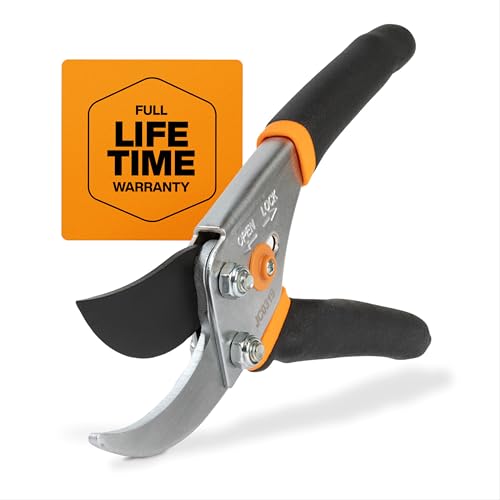
CLEAN CUTS FOR LIVE GROWTH: Bypass blade design is ideal for pruning delicate flower stems and green growth, helping reduce crushing and plant damage while cutting stems and small branches up to 5/8” in diameter

IDEAL BRANCH TRIMMER: 28" Steel blade garden bypass lopper that glides through up to 1.5" thick branches for easy cuts; Works well for trimming tree branches to maintain your yard and garden, and to encourage overall plant health and appearance
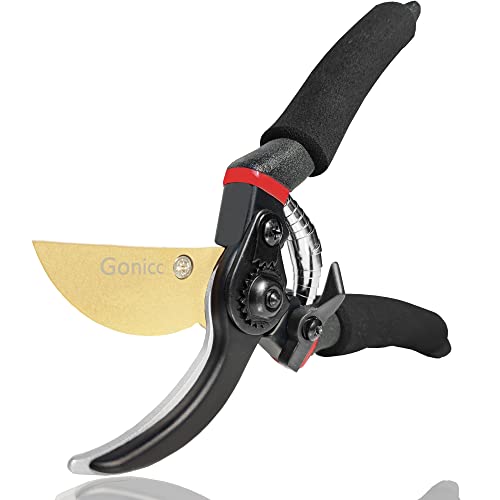
Drop-forged construction delivers exceptional durability and sturdiness for long-term heavy garden use.
Spring Pruning
Spring is an excellent time for pruning many fruit trees. Generally, perform this task in late winter or early spring, just before new growth begins. This timing encourages vigorous growth and allows trees to heal before the growing season. For example, apple trees respond well to being pruned in early spring. You’ll notice improved air circulation, better sunlight access, and healthier flowering.
- Benefits of Spring Pruning:
- Promotes new growth.
- Enhances sunlight penetration into the canopy.
- Reduces disease risks by improving airflow.
For optimal results, follow these steps:
- Identify dead or damaged branches.
- Trim back to healthy wood.
- Shape the tree for balanced growth.
Winter Pruning
Winter pruning suits specific fruit tree varieties. This process takes place during dormancy, typically from late November to early March, depending on your climate. Winter pruning minimizes sap bleeding and allows the tree to conserve energy. It works well for apple and pear trees.
- Benefits of Winter Pruning:
- Prevents sap loss.
- Encourages robust spring growth.
- Establishes a strong structure before the growing season.
To effectively prune in winter:
- Evaluate the tree structure for dead or struggling branches.
- Make clean cuts at a 45-degree angle for better healing.
- Remove crossing or competing branches to enhance airflow.
Understanding the best time to prune fruit trees allows you to optimize growth and fruit production. Each timing strategy presents unique advantages, ensuring you model your pruning efforts to your trees’ specific needs.
Tips for Successful Pruning
Effective pruning requires the right approach and equipment to ensure your fruit trees thrive. Focusing on the tools, techniques, and aftercare steps increases your chances of success.
Recommended Products

· ULTRA-SHARP SK5 STAINLESS STEEL - Engineered with premium SK5 stainless steel, these heavy duty pruning shears deliver razor-sharp precision and maximum hardness. The rust-resistant blades are designed to stay sharp longer, effortlessly resisting corrosion and sap buildup for smooth, friction-free garden shears performance year after year.

LONG-LASTING SHARPNESS: Japanese SK5 bypass blade with titanium coating is tested through 5,000 cuts to maintain a sharp edge and deliver clean, consistent cuts on live stems and branches

Sharp & Rustproof: Our garden scissors are made of premium stainless steel material, which has corrosion resistance and good hardness. Sharp blades can quickly finish pruning tasks for gardens, vegetable gardens, orchards, and indoor plants
Tools and Techniques
Use high-quality tools for pruning, such as:
- Pruning Shears: Ideal for small branches, choose bypass shears for clean cuts.
- Loppers: Great for thicker branches, look for long handles to increase leverage.
- Pruning Saws: Necessary for larger branches, select a lightweight model for ease of use.
Before you start, clean and sharpen your tools. This practice prevents the spread of disease and makes cutting easier.
Prune on a dry day to reduce the risk of fungal infections. Follow these techniques for effective pruning:
- Make Clean Cuts: Cut at a slight angle, just above a bud to promote healthy growth.
- Avoid Over-Pruning: Limit cuts to about 25% of the tree’s overall foliage to prevent stress.
- Encourage Open Canopy: Focus on removing crossing branches to improve light access and air circulation.
Aftercare for Pruned Trees
After pruning, focus on the health of your trees to maximize recovery and growth. Implement these aftercare practices:
- Watering: Keep the soil consistently moist, especially during dry spells. This helps the tree recover from pruning stress.
- Fertilizing: Use a balanced fertilizer in early spring to provide essential nutrients for new growth.
- Mulching: Apply a 2-3 inch layer of organic mulch around the base. This conserves moisture and regulates soil temperature.
Monitor your trees for signs of stress after pruning. You might notice a slower growth period initially, but the tree will recover and flourish with proper care.
Conclusion
Pruning your fruit trees at the right time can make all the difference in their health and productivity. By focusing on late winter or early spring for most varieties you set the stage for vigorous growth. Remember to consider your specific tree types and local climate to fine-tune your pruning schedule.
With the right tools and techniques in hand you’ll be well on your way to nurturing thriving trees that produce delicious fruit. Don’t forget to give your trees some extra care after pruning to help them bounce back stronger. Happy gardening and enjoy the fruits of your labor!
Frequently Asked Questions
When is the best time to prune fruit trees?
Pruning fruit trees is best done in late winter or early spring, right before new growth begins. This timing encourages vigorous growth and allows trees to recover effectively. For some trees, summer pruning after fruit sets may also be beneficial.
What are the types of pruning for fruit trees?
The three main types of pruning are dormant pruning, maintenance pruning, and summer pruning. Dormant pruning occurs in late winter; maintenance pruning consists of regular trimming; and summer pruning helps control growth and improve air circulation.
Why should I avoid fall pruning?
Fall pruning is discouraged because it can stimulate new growth that may be damaged by winter cold. It also risks exposing trees to pests and diseases before winter dormancy sets in.
What tools do I need for pruning fruit trees?
Essential tools include bypass pruning shears for small branches, loppers for thicker branches, and pruning saws for larger cuts. Ensure all tools are clean and sharpened before use to prevent disease transmission.
How does climate affect pruning timing?
Climate plays a significant role in pruning timing. In regions with harsh winters, late winter pruning is preferred to protect trees. In milder climates, early spring pruning is often suitable.
Why is pruning important for fruit trees?
Pruning is crucial for maintaining the health, shape, and productivity of fruit trees. It encourages better air circulation, allows sunlight penetration, and promotes higher fruit production.
Should I prune my apple and peach trees differently?
Yes, apple trees benefit from dormant pruning, while peach trees should be pruned right after harvest. Different varieties have specific pruning needs that should be respected.
What aftercare should I consider after pruning?
After pruning, ensure consistent watering, apply balanced fertilizer in early spring, and use mulch to regulate soil temperature. Monitor trees for stress signs to support their recovery and growth.
