

Have you ever wondered if your cherry tree will bear fruit every year? If you’ve planted one in your backyard or are considering it, you might be curious about its fruiting habits. Cherry trees can be a beautiful addition to your garden, but understanding their growth cycle is key to enjoying those sweet cherries.
In this article, you’ll learn about the factors that influence whether cherry trees produce fruit annually. From climate conditions to tree health, we’ll cover what you need to know to keep your cherry tree thriving. By the end, you’ll have a clearer picture of what to expect and how to maximize your chances of a bountiful harvest.
Key Takeaways
- Cherry trees may not bear fruit every year; factors such as tree variety, climate, and pollination greatly influence their fruiting habits.
- Consistent fruit production is typically associated with healthy, mature trees, while younger trees may take several years to yield fruit.
- Cross-pollination is essential for many cherry tree varieties, and planting compatible trees nearby can enhance fruit set and yield.
- Environmental conditions, especially temperature fluctuations during the flowering phase, can significantly affect fruit production and overall tree health.
- Regular maintenance practices like pruning, soil testing, and appropriate fertilization are crucial for maximizing fruit yields and maintaining the vitality of cherry trees.
Understanding Cherry Trees
Cherry trees, belonging to the genus Prunus, exhibit distinct fruiting habits influenced by several factors. Knowing these can help you cultivate healthy trees that produce fruit consistently.
Growth Cycle
Cherry trees undergo a growth cycle that includes flowering, fruit set, and fruit ripening. Generally, cherry trees flower in early spring. Pollination occurs shortly after, leading to the formation of fruit. Conditions during this period significantly impact fruit production. A sudden freeze can damage blossoms, leading to reduced or no fruit yield for that year.
Flowering and Pollination
Flowering initiates the cycle for cherry trees. Fruit-bearing varieties, like sweet cherries (Prunus avium) and sour cherries (Prunus cerasus), require cross-pollination for optimal fruit production. Planting multiple trees or varieties increases chances of successful pollination. For instance, having both Bing and Rainier cherry trees enhances fruit set.
Climate Factors
Cherry trees thrive in temperate climates. Temperature fluctuations during flowering can impact fruit yield. Ideal temperatures range from 60°F to 75°F during bloom time. Cold snaps can hinder pollination and fruit development. You can improve resilience by selecting varieties suited to your climate zone.
Tree Health
Healthy cherry trees are more likely to produce fruit consistently. Regular pruning helps manage tree shape and encourages sunlight exposure. Pests and diseases can severely affect yield. Implementing pest control measures and ensuring proper watering and fertilization are vital for maintaining tree vitality.
Varietal Differences
Not all cherry trees bear fruit every year. Some trees, particularly young ones, may take several years to mature enough to produce fruit. Mature cherry trees can exhibit alternate bearing, where a heavy crop one year leads to a lighter crop the following year. For consistent harvests, select varieties known for regular fruit production, such as Lapins or Stella.
In your gardening efforts, monitor these factors closely to enhance the likelihood of abundant fruit production from your cherry trees.
Factors Affecting Fruit Production
Understanding the factors that affect fruit production is crucial for successfully growing cherry trees. Several elements play a significant role in whether your cherry trees bear fruit each year.
Recommended Products

Kindly NOTE: This soil tester can not be applied to test pH value of any other liquid. If the soil is too dry the indicator will not move, and water it before testing.

Quick, at home results for Soil pH, Nitrogen, Phosphorous and Potash Innovative and inexpensive soil test kit features an easy-to-use capsule system and patented color comparators

Accurate Soil pH Testing: Dewildetradingco Soil pH Test Strips offer measurements of soil pH levels (pH 3.5-9). As an essential tool for every gardener and grower, these test strips help determine the optimal pH for various plants, such as outdoor plants, indoor plants, gardens, grass lawns, fruit trees, flowers, vegetables, and forest shrubs.
Climate Conditions
Climate conditions dictate cherry tree growth and fruiting. Cherry trees thrive in temperate climates with cool winters and warm summers. Extremes in temperature during the flowering phase can hinder fruit set. For instance, late spring frosts may damage blooms, reducing yield. Ensure your trees get enough sunlight, as at least 6 hours of direct sunlight daily enhances flowering and fruiting success.
Soil Quality
Soil quality directly impacts tree health and fruit production. Cherry trees prefer well-draining, loamy soil rich in organic matter. Poor drainage can lead to root rot, affecting overall vitality. Test your soil for pH; it should ideally stay between 6.0 and 7.0. Incorporate compost or aged manure to boost nutrients. Regularly aerating the soil can promote healthy root development and encourage better fruiting.
Tree Health
Healthy cherry trees are more likely to produce fruit consistently. Regular pruning improves air circulation, sunlight penetration, and helps remove dead or diseased branches. Monitor for pests and diseases, as issues like aphids or brown rot can hinder fruit production. Water your cherry trees deeply but infrequently, ensuring they stay hydrated but not waterlogged. Fertilizing in early spring with a balanced fertilizer can also provide essential nutrients promoting fruitful growth.
Do Cherry Trees Bear Fruit Every Year?
Cherry trees don’t always bear fruit every year. Several factors influence their fruiting habits, including varieties, climate, and pollination.
Recommended Products

Each offer includes one plant grown in a 4 inch pot

These are ready to plant and should be put in the ground according to the included instructions upon arrival. All pictures are of fully grown plants. Sizes shipped are in the title and description. Deciduous plants do not have leaves in the winter.
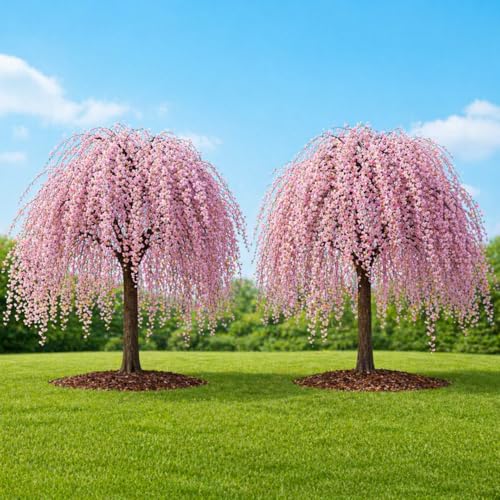
WHAT YOU WILL RECEIVE: 2 Cherry blossom tree live plant approximately 6 - 12 inches tall, prepared for transplanting into garden soil or outdoor containers
Varieties of Cherry Trees
Different varieties of cherry trees exhibit varying fruiting patterns. Some types, like sweet cherries (Prunus avium), can produce fruit regularly, while others, such as sour cherries (Prunus cerasus), may alternate between heavy and light crop years. Generally, you can expect consistent fruit production from self-pollinating varieties; however, cross-pollinating types usually reward you with a more abundant yield. Research specific varieties suited to your local climate if you want reliable fruiting.
Pollination Requirements
Pollination plays a crucial role in fruit production for many cherry trees. Most sweet cherries need cross-pollination to set fruit, meaning you’ll require at least two different trees for optimal results. Planting compatible varieties nearby increases the chances of effective pollination. Ensure that pollination occurs during the blooming period, usually in early spring, as bees and other pollinators help transfer pollen. Monitor for sudden cold snaps or heavy rain during this time, as they can interfere with pollination and fruit set.
Best Practices for Cherry Tree Care
Proper care for your cherry trees significantly influences fruit production. Implementing best practices ensures your trees thrive and enhances yields.
Recommended Products

Sharp Mn Steel Blade for Fast & Clean Cuts: This pole saw uses a sharp three-sided edge with a double-sided barb design to grip branches securely and cut smoothly from multiple angles. The Mn steel blade is durable, rust-resistant, and lightweight, delivering fast, clean cuts. This is a manual pole saw with detachable pole sections for adjustable reach, not pruner, not a telescoping pole; it is neither electric nor battery-powered.

Sharp Mn Steel Blade for Fast & Clean Cuts: This pole saw uses a sharp three-sided edge with a double-sided barb design to grip branches securely and cut smoothly from multiple angles. The Mn steel blade is durable, rust-resistant, and lightweight, delivering fast, clean cuts. This is a manual pole saw with detachable pole sections for adjustable reach; not pruner not telescoping pole, it is neither electric nor battery-powered.
Pruning Techniques
Pruning cherry trees promotes healthy growth and fruit production. Here are some essential techniques:
- Timing: Prune during late winter or early spring while trees are dormant. This minimizes stress and encourages robust growth.
- Remove Dead Wood: Cut away any dead, damaged, or diseased branches. Healthy trees allocate energy better, leading to improved fruit yields.
- Thin Crowded Branches: Thin out branches to improve air circulation and sunlight exposure. Aim for an open center to encourage even growth.
- Shape the Canopy: Use pruning to shape the tree into a balanced form. This prevents overlapping branches and fosters stronger limbs for fruit attachment.
- Seal Cuts: Apply tree wound dressing on large cuts to protect against pests and pathogens.
Fertilization Tips
Fertilization provides essential nutrients that boost fruit production. Follow these tips for optimal results:
- Soil Testing: Conduct a soil test to determine nutrient levels. This guides you on necessary amendments for balanced soil health.
- Use Organic Fertilizers: Apply organic fertilizers like compost or well-rotted manure in early spring. This gradually releases nutrients while improving soil quality.
- Adjust Nutrient Ratios: Focus on a balanced N-P-K ratio (Nitrogen-Phosphorus-Potassium). A formula like 10-10-10 encourages overall tree vitality.
- Avoid Over-Fertilization: Follow recommended application rates. Excessive fertilizer can harm roots and hinder fruit production.
- Supplement Watering: Fertilize during moist conditions or after watering. This helps nutrients reach the roots more effectively.
Implementing these best practices enhances the health and productivity of your cherry trees, setting the stage for fruitful seasons ahead.
Conclusion
Understanding the fruiting habits of cherry trees can make all the difference in your gardening success. By paying attention to factors like climate, tree health, and proper care, you can increase your chances of enjoying a bountiful harvest.
Remember to choose the right varieties and consider planting multiple trees for better pollination. With a little effort and care, your cherry trees can thrive and reward you with delicious fruit year after year. So get ready to nurture your trees and watch them flourish!
Frequently Asked Questions
Do cherry trees bear fruit every year?
Cherry trees do not always produce fruit each year. Some varieties exhibit alternate bearing, meaning they may have a heavy crop one year and a light crop the next. The likelihood of consistent fruit production depends on the tree’s health, pollination, and environmental conditions.
What factors influence cherry tree fruit production?
Several factors affect fruit production in cherry trees, including climate, tree health, soil quality, and proper care practices. Optimal conditions, such as well-draining soil and timely pruning, can significantly enhance the likelihood of a fruitful harvest.
How important is pollination for cherry trees?
Pollination is critical for many cherry tree varieties, especially sweet cherries. Cross-pollination from different compatible trees enhances fruit set. Planting at least two different types of cherry trees nearby increases the chances of successful pollination and better yields.
What conditions are best for growing cherry trees?
Cherry trees thrive in temperate climates with cool winters and warm summers. They prefer well-draining, loamy soil rich in organic matter. Monitoring temperature fluctuations during the flowering phase is vital to ensure good fruit set.
What care practices can improve cherry tree health?
Regular pruning, pest control, watering, and fertilization are essential for maintaining cherry tree health. Good practices include removing dead wood, thinning crowded branches, and ensuring optimal nutrient levels to support vigorous growth and fruit production.
How can I select the right cherry tree variety for fruit production?
When selecting cherry tree varieties, choose those known for consistent fruit production. Sweet cherries tend to produce regularly, while sour cherries may have alternating crop years. Research compatible varieties for effective cross-pollination to increase yields.
