

Quince trees can thrive in pots in Connecticut with the right conditions and care. Choosing suitable varieties and understanding potting techniques will ensure successful growth and fruit production.
Best Quince Varieties for Container Growth
When growing quince trees in pots, selecting the right variety is essential. Some varieties are more suited for container growth due to their size and growth habits. Look for compact or dwarf types that can adapt to limited root space. Popular choices include:
Pineapple Quince: Known for its sweet, aromatic fruit.
** Smyrna Quince**: Produces large, flavorful fruit.
Orange Quince: Offers a unique flavor and vibrant color.
These varieties will help maximize your success in a pot.
Recommended Products

✅ 1-2 year old 18-26 inches tall Cydonia Provence Quince plant. Plant is sent with roots wrapped in wet media during dormancy (October to May), in container with soil June to September.

Free shipping

2-PACK LIVE SEEDLINGS: Receive two freshly sprouted quince tree seedlings, ready to grow into fruit-bearing trees.
Potting Guidelines for Healthy Quince Trees
Proper potting techniques are crucial for the health of your quince tree. The pot should be large enough to allow for root expansion, ideally at least 18 inches in diameter. Use a high-quality potting mix that drains well to prevent root rot. Follow these steps for effective potting:
Choose a Pot: Select a pot with drainage holes.
Prepare the Soil: Mix potting soil with compost for nutrients.
Plant the Tree: Position the tree at the same depth as it was in its nursery pot.
Water Thoroughly: Ensure the soil is moist but not soggy.
Potting Essentials for Quince Trees
Growing quince trees in pots can be a rewarding endeavor, especially in Connecticut’s varying climate. To ensure success, it’s crucial to understand the specific potting essentials that will support healthy growth and fruit production. This section outlines the key factors to consider when potting quince trees for optimal results.
| Step | Action | Importance |
|---|---|---|
| 1 | Choose a pot | Allows root expansion |
| 2 | Prepare soil | Provides nutrients |
| 3 | Plant tree | Ensures proper depth |
| 4 | Water thoroughly | Prevents dehydration |
Quince Tree Climate Adaptation Strategies
Quince trees, known for their unique fruit and ornamental beauty, can thrive in various climates with the right strategies. In Connecticut, where winters can be harsh, understanding how to adapt these trees to local conditions is essential for successful pot cultivation. This section explores effective techniques to ensure your quince trees flourish despite the challenges of the region’s climate.
Connecticut’s climate can be challenging for growing quince trees in pots. They require full sun and protection from harsh winds. During colder months, consider these strategies:
Move Indoors: Bring the pot inside when temperatures drop below 20°F.
Use Frost Cloths: Cover the tree on particularly cold nights.
Mulch: Add mulch to the top of the soil to retain warmth.
Monitoring temperature and providing protection will enhance your tree’s chances of survival.
Watering and Fertilizing Quince Trees in Pots
Successfully growing quince trees in pots requires careful attention to their watering and fertilizing needs. In Connecticut’s climate, understanding the specific moisture and nutrient requirements is crucial for healthy growth. This section will provide essential tips to ensure your potted quince trees thrive throughout the growing season.
Watering and fertilizing are critical for healthy quince trees. These trees prefer consistently moist soil but should not be waterlogged.
Fertilize during the growing season with a balanced fertilizer to promote fruit development. Follow these tips:
Check Soil Moisture: Water when the top inch of soil feels dry.
Use Slow-Release Fertilizer: Apply every 6-8 weeks during the growing season.
Avoid Over-Fertilization: Too much fertilizer can harm the tree.
Recommended Products

Package contains 4 Pounds organic fruit and citrus fertilizer grains and is produced to avoid wasteful runoff, mess, hazards and smells
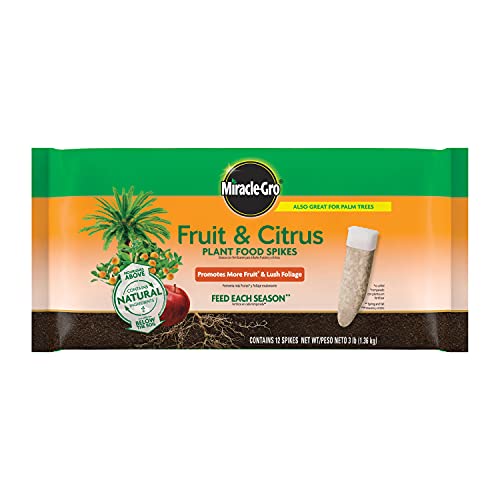
FORMULATED FOR CITRUS AND FRUIT TREES: Use these citrus fertilizer spikes on apple, orange, lemon, lime, and avocado trees; this formula is also great for feeding palm trees

CITRUS PLANT FOOD: This avacado, mango and citrus fruit tree fertilizer feeds plants for up to 3 months and nourishes above and below the soil
Pot Care Techniques for Quince Trees
Growing quince trees in pots can be a rewarding endeavor, especially in Connecticut’s variable climate. Proper pot care techniques are essential to ensure these trees thrive, providing both beauty and fruit. This section outlines effective strategies to maintain healthy quince trees in containers, addressing key factors such as watering, soil selection, and sunlight requirements.
| Task | Frequency | Notes |
|---|---|---|
| Watering | Weekly | Adjust based on weather |
| Fertilizing | Every 6-8 weeks | Use balanced fertilizer |
| Pruning | Annually | Remove dead or crossing branches |
Container Quince Pest Control Strategies
Growing quince trees in pots can present unique challenges, particularly when it comes to pest management. In Connecticut’s climate, understanding effective pest control strategies is crucial for maintaining the health of container-grown quince. This section explores practical approaches to keep pests at bay and ensure your quince trees thrive in their confined environment.
Pests can threaten the health of your quince trees. Regular monitoring and preventive measures are essential.
Common pests include aphids and spider mites. Implement these strategies:
Inspect Regularly: Check for signs of pests weekly.
Use Insecticidal Soap: Apply to affected areas as needed.
Encourage Beneficial Insects: Ladybugs can help control aphid populations.
Taking proactive steps will help maintain a healthy tree.
Essential Strategies for Potted Quince Success
Growing quince trees in pots in Connecticut requires attention to detail. Ensure you select the right variety, use proper potting techniques, and manage climate conditions effectively. Regular watering, fertilizing, and pest management will lead to fruitful results. Keep these strategies in mind for a thriving quince tree.
