

Fig trees thrive in Orlando, FL, offering delicious fruit and attractive foliage. To grow figs successfully in Central Florida, select the right variety, provide proper care, and understand local climate conditions.
Best Fig Varieties for Orlando’s Climate
Choosing the right fig varieties is essential for successful cultivation in Orlando’s unique climate. With its warm temperatures and humidity, certain fig types thrive better than others, offering both flavor and resilience. This section highlights the best fig varieties suited for Central Florida, ensuring a fruitful harvest for local gardeners.
Choosing the right fig tree variety is crucial for successful cultivation in Orlando. Some varieties perform better in the subtropical climate, while others may struggle. Popular choices include:
Brown Turkey: Known for its adaptability and sweet fruit.
Celeste: Produces small, sweet figs and is resistant to cold.
Kadota: Offers a milder flavor and is great for drying.
Understanding the characteristics of each variety helps ensure a fruitful harvest.
Soil Preparation for Fig Tree Planting
Preparing the right soil is crucial for successfully planting fig trees in Orlando’s unique climate. This section outlines essential steps and considerations to ensure your soil is well-suited for optimal growth, helping you create a thriving environment for your fig trees. Understanding these soil preparation techniques will set the foundation for a fruitful harvest.
Soil preparation is vital for fig tree health. Figs prefer well-drained soil with a pH between 6.0 and 6.8. Follow these steps for optimal planting:
Test the Soil: Use a soil test kit to determine pH and nutrient levels.
Amend the Soil: Incorporate organic matter like compost to improve drainage and fertility.
Choose a Sunny Spot: Select a location that receives at least 6-8 hours of sunlight daily.
Soil Amendments for Fig Tree Growth
To cultivate healthy fig trees in Orlando, understanding soil amendments is essential for optimal growth. The right amendments can enhance soil quality, improve drainage, and provide essential nutrients, ensuring your fig trees thrive in Central Florida’s unique climate. This section will explore effective strategies to enrich your soil for robust fig tree development.
| Soil Component | Purpose | Recommended Amount |
|---|---|---|
| Compost | Improves drainage | 2-4 inches |
| Peat Moss | Increases moisture retention | 1-2 inches |
| Lime | Raises pH if too acidic | As per soil test |
Fig Tree Watering and Fertilization Methods
Proper watering and fertilization are crucial for the health and productivity of fig trees in Orlando’s unique climate. Understanding the specific needs of these trees will help ensure they thrive, producing abundant fruit while resisting pests and diseases. This section outlines effective methods to keep your fig trees well-nourished and hydrated throughout the growing season.
Proper watering and fertilization are essential for fig tree growth. Figs are relatively drought-tolerant but require consistent moisture during fruit development.
Watering: Water deeply once a week during dry spells. Adjust frequency based on rainfall.
Fertilizing: Use a balanced fertilizer in early spring. Follow the manufacturer’s instructions for application rates.
Recommended Products
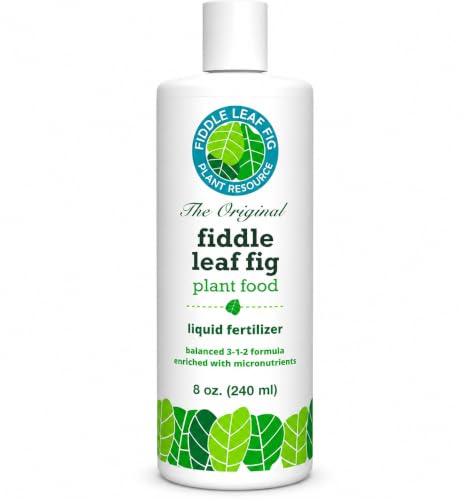
ARE YOU STARVING YOUR FIDDLE LEAF FIG? Fiddle leaf fig plants require precise nutrients to thrive, promoting their growth, vitality, and robust root systems. Our exclusive Fiddle Leaf Fig Plant Food offers a tailored plant food solution, ensuring optimal nourishment for your beloved plant. Say goodbye to alternatives and provide your fiddle leaf fig with the care it truly deserves.
![𝐁𝐄𝐒𝐓𝐒𝐄𝐋𝐋𝐄𝐑 10-10-10 Plant Fertilizer Slow Release | 10 10 10 All Purpose Fertilizer for Fruit Trees, Evergreens, Vegetables, Arborvitae, Fig Trees, Shrubs, Pines, Oaks, Flowers [8 OZ]](https://m.media-amazon.com/images/I/51-q3qOxQSL._SL500_.jpg)
🌱 ALL-PURPOSE PLANT FOOD - Balanced 10-10-10 NPK fertilizer supports strong root development, lush foliage, and vibrant blooms for vegetables, flowers, trees, shrubs, and lawns.

Made For Indoor Ficus & Fig Trees - Our organic formula is specifically created for all varieties of Ficus and Fig plants. It provides essential nutrients for species such as Ficus Benjamina, Ficus Elastica, Ficus Lyrata, and Ficus Microcarpa. Formulated concentrate easily dilutes in water to provide optimal nutrition that encourages strong leaves, stems, and roots without burning your plant.
Overwatering Risks for Fig Trees
Overwatering is a common issue that can significantly impact the health of fig trees in Orlando’s climate. Understanding the signs of overwatering and its consequences is crucial for maintaining robust trees and ensuring a fruitful harvest. This section will explore the risks associated with excessive watering and provide guidance on how to avoid them.
Overwatering can lead to root rot and other diseases.
Fig Tree Pruning Techniques for Optimal Growth
Pruning is essential for maintaining the health and productivity of fig trees in Orlando’s unique climate. This section will explore effective pruning techniques that promote optimal growth, enhance fruit quality, and ensure a robust tree structure. Understanding these methods will help you cultivate thriving fig trees in Central Florida.
Pruning fig trees enhances air circulation and encourages fruit production. Follow these pruning guidelines:
Timing: Prune in late winter or early spring before new growth begins.
Techniques: Remove dead or damaged branches and thin out crowded areas to promote light penetration.
Pruning Techniques for Fig Trees
Proper pruning is essential for maintaining healthy fig trees in Orlando’s unique climate. This section outlines effective techniques that promote robust growth, enhance fruit production, and ensure the overall vitality of your trees. By following these guidelines, you can cultivate a thriving fig tree that flourishes in Central Florida’s conditions.
Identify branches: Look for dead, damaged, or crossing branches.
Use clean tools: Sanitize pruning shears to prevent disease spread.
Make clean cuts: Cut at a slight angle to promote healing.
Pest and Disease Control for Fig Trees
Maintaining the health of fig trees in Orlando requires vigilance against pests and diseases that can threaten their growth and fruit production. Understanding the common issues that affect these trees in Central Florida is essential for effective management. This section outlines practical strategies for identifying and controlling these challenges to ensure a thriving fig tree garden.
Figs can face several pests and diseases, including aphids and root rot. Regular monitoring helps catch issues early. Implement these strategies:
Inspect Regularly: Check leaves and stems for signs of pests.
Natural Remedies: Use insecticidal soap for pest control.
Proper Drainage: Ensure good drainage to prevent root rot.
Pest Management Strategies for Fig Trees
Managing pests is crucial for maintaining healthy fig trees in Orlando’s unique climate. This section outlines effective strategies tailored to Central Florida, helping you protect your trees from common pests while promoting robust growth and fruit production. By implementing these practices, you can ensure your fig trees thrive in the face of potential threats.
| Pest | Symptoms | Treatment |
|---|---|---|
| Aphids | Curling leaves | Insecticidal soap |
| Spider Mites | Webbing on leaves | Neem oil |
| Root Rot | Wilting leaves | Improve drainage |
Optimal Timing for Fig Harvesting
Understanding the optimal timing for harvesting figs is crucial for maximizing both yield and flavor in Orlando’s unique climate. This section will explore the best practices for determining when your figs are ripe, ensuring you enjoy the sweetest and most abundant harvest possible. By following these guidelines, you can enhance your fig-growing experience in Central Florida.
Timing is crucial for harvesting figs. Figs do not ripen off the tree, so pick them when fully ripe. Look for these signs:
Color Change: Figs will change color based on the variety.
Softness: Gently squeeze the fig; it should yield slightly.
Ease of Detachment: Ripe figs will come off the branch easily.
Optimal Fig Harvesting Time
Understanding the optimal harvesting time for fig trees is crucial for maximizing yield and ensuring the best flavor. In Orlando, Florida, the climate and growing conditions play a significant role in determining when to pick these sweet fruits. This section will outline the ideal timing for harvesting figs to achieve the best results in your garden.
Harvest figs in the morning for the best flavor and texture.
Fig Tree Growing Supplies for Success
To successfully grow fig trees in Orlando, it’s essential to have the right supplies on hand. This section outlines the necessary tools and materials that will help ensure your fig trees thrive in Central Florida’s unique climate. From soil amendments to watering equipment, having the right supplies can make all the difference in your fig-growing journey.
Before starting your fig tree journey, gather essential supplies:
Pruning Shears: For maintaining tree shape.
Soil Test Kit: To assess soil quality.
Organic Fertilizer: For nutrient balance.
Drip Irrigation System: To ensure consistent watering.
Understanding these key aspects of fig tree cultivation in Orlando will lead to a successful and fruitful gardening experience.
