

Growing banana trees in St. Paul, MN requires careful planning and specific techniques to ensure their survival in a colder climate. By selecting the right varieties and implementing protective measures, you can successfully cultivate these tropical plants in a northern environment.
Cold-Hardy Banana Varieties for Northern Climates
In St. Paul, MN, growing banana trees may seem unlikely, but certain cold-hardy varieties can thrive in northern climates. These resilient plants offer the promise of tropical fruit even in cooler temperatures, making them an intriguing option for local gardeners. Understanding which varieties can withstand the chill is essential for successful cultivation in this region.
Choosing the right banana variety is crucial for success in colder regions. Cold-hardy options can withstand lower temperatures and still produce fruit. Some recommended varieties include:
Musa basjoo: Known for its hardiness and ability to survive winter temperatures down to -10°F.
Musa sikkimensis: This variety can tolerate temperatures as low as 0°F and has attractive foliage.
Dwarf Orinoco: A smaller plant that can produce fruit and withstand temperatures around 25°F.
These varieties are more likely to thrive in St. Paul’s climate, making them suitable choices for local gardeners.
Recommended Products

CHOOSE YOUR FAVORITE BANANA VARIETY – Select from Grand Nain, Dwarf Cavendish, Double Mahoi, Curly Tiny, or Basjoo Banana plants. Each variety offers unique characteristics, from sweet edible fruit to striking ornamental foliage and cold-hardy landscape performance.
CHOOSE YOUR FAVORITE BANANA VARIETY – Select from Grand Nain, Dwarf Cavendish, Double Mahoi, Curly Tiny, or Basjoo Banana plants. Each variety offers unique characteristics, from sweet edible fruit to striking ornamental foliage and cold-hardy landscape performance.

Optimal Site Selection for Banana Trees
Selecting the right site for banana trees in St. Paul, MN is crucial for their survival and growth. Given the region’s unique climate challenges, understanding factors such as sunlight exposure, wind protection, and soil quality can significantly enhance the chances of successfully cultivating these tropical plants in a northern environment.
The right location is essential for healthy banana trees. They require full sunlight and well-draining soil to flourish. Consider the following steps when preparing your planting site:
Choose a sunny spot: Aim for at least 6-8 hours of direct sunlight daily.
Test soil drainage: Ensure the soil drains well to prevent root rot.
Amend the soil: Mix in compost or well-rotted manure to enhance nutrient content.
A well-prepared site will help your banana trees establish strong roots, leading to better growth and fruit production.
Winter Care for St. Paul Banana Trees
Caring for banana trees in St. Paul during winter presents unique challenges due to the region’s harsh climate. Proper winter care is essential to ensure these tropical plants survive and thrive despite freezing temperatures. This section outlines effective strategies for protecting banana trees from the cold and promoting their health until warmer weather returns.
Winter protection is vital for banana trees in St. Paul. The following strategies will help safeguard your plants from frost and freezing temperatures:
Mulch the base: Apply a thick layer of organic mulch around the base to insulate roots.
Wrap the trunk: Use burlap or frost cloth to wrap the trunk, providing added protection from cold.
Construct a windbreak: Erect barriers to shield your trees from harsh winds.
These protective measures can significantly increase the chances of your banana trees surviving winter.
Recommended Products

The Large plant cover is perfect for Plant size 55''-70"high and 84''-94" round, Heavy-weight FRCs (1.77oz./sq. yard): usually used to extend the growing season in spring and fall, allow 40%-60% light transmittance, and recommend 3°-8°F of freeze protection

PACKAGE: The package includes 4Pcs plant covers,will meet your daily use or replacement. Measuring 31.5" x 47.3", the plant protector is waterproof, windproof.

Revolutionary Anti-freeze Protection: Plant covers freeze protection is made of 100% Reliable non-woven thickened polypropylene fabric Because the frost cloth fabric Thickness is 3.2 oz/yd² thicker and warmer, tear resistant than less expensive 1.3 oz/yd² fabric. Provides up to 2° F(-17℃) frost protection. In winter, frost blankets for outdoor plants can form a insulation layer for plants to isolate cold air and retain the oxygen required for plant respiration
Banana Tree Care: Watering and Fertilizing Tips
Caring for banana trees in St. Paul, MN requires specific attention to their watering and fertilizing needs to thrive in a northern climate. Understanding the right techniques can help ensure these tropical plants flourish despite the cooler temperatures. This section provides essential tips to effectively manage their hydration and nutrient requirements.
Proper watering and fertilizing are essential for healthy banana trees. Here are key practices to follow:
Water regularly: Ensure the soil remains moist but not waterlogged. Water deeply once a week.
Fertilize monthly: Use a balanced fertilizer high in potassium to promote growth and fruiting.
Monitor for pests: Keep an eye out for aphids and spider mites, which can affect plant health.
Implementing these practices will support robust growth and increase fruit yield.
Recommended Products

PREMIUM FUEL LIQUID FERTILIZER: Wellspring Gardens Banana Fuel Liquid Fertilizer Concentrate provides a quality nutrient blend with minor elements that could grow your plants. Its 3-1-6 formula ratio is the ideal fertilizer ration according to University of Florida which is what our product is made of.
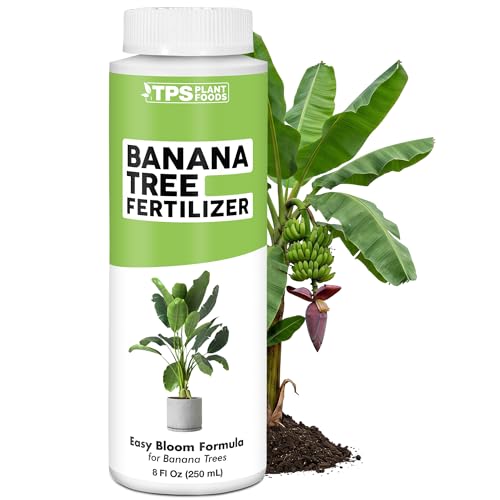
Made for Banana Trees – Specially formulated banana fertilizer designed to support the nutrient needs of banana plants.
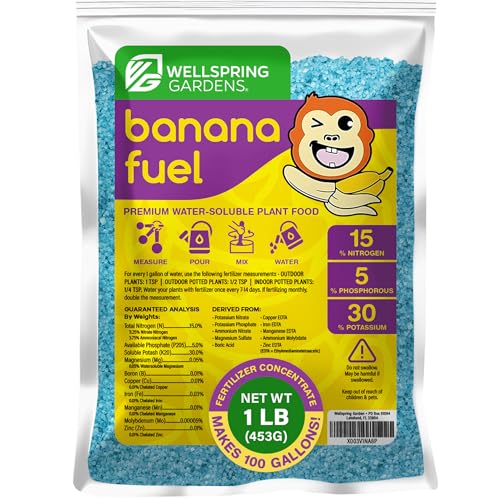
PREMIUM WATER SOLUBLE FERTILIZER: Wellspring Gardens Banana Fuel Fertilizer provides a water-soluble and high-quality nutrient blend with minor elements to promote optimal growth for your banana plants. Its premium 15-5-30 blend ensures that your banana plants are healthy and happy.
Banana Variety Cold Tolerance Data
Understanding the cold tolerance of various banana tree varieties is crucial for successful cultivation in St. Paul, MN. This section provides detailed data on the hardiness of different banana types, helping gardeners choose the best options for surviving the region’s harsh winters while maximizing growth potential and fruit production.
| Variety Name | Cold Tolerance | Height | Fruit Yield | Growth Rate |
|---|---|---|---|---|
| Musa basjoo | -10°F | 8-12 feet | Moderate | Fast |
| Musa sikkimensis | 0°F | 10-15 feet | High | Moderate |
| Dwarf Orinoco | 25°F | 4-6 feet | Moderate | Fast |
This table summarizes key characteristics of the recommended banana varieties for St. Paul, helping you make an informed decision.
Growing Bananas in Northern Climates
Growing bananas in northern climates like St. Paul, MN, presents unique challenges due to the cold temperatures and shorter growing seasons. However, with the right techniques and care, it is possible to cultivate these tropical plants successfully. This section explores effective strategies and tips for nurturing banana trees in less-than-ideal conditions.
Understanding the logistics of growing banana trees in a northern climate is essential for success. Consider these practical tips:
Start indoors: Begin seeds indoors 6-8 weeks before the last frost date.
Transplant carefully: Move seedlings outdoors after the danger of frost has passed.
Monitor growth: Regularly check for signs of stress or disease and address issues promptly.
By following these logistics, you can improve your chances of successfully growing banana trees in St. Paul.
Winter Protection Strategies for Banana Trees
In St. Paul, MN, where winter temperatures can be harsh, protecting banana trees is essential for their survival. This section outlines effective strategies to shield these tropical plants from the cold, ensuring they thrive despite the challenging climate. Implementing these techniques will help gardeners maintain healthy banana trees through the winter months.
Ensure you take the necessary precautions to protect your banana trees during winter months.
Implementing these strategies will enable you to cultivate banana trees successfully in St. Paul, MN, despite the challenges posed by the northern climate.
