

Have you noticed your fruit tree looking a bit worse for wear? Maybe the leaves are dropping or the branches seem lifeless. You’re not alone; many gardeners face this frustrating situation and wonder if their beloved tree is truly dead or just struggling.
In this article, you’ll learn how to assess the health of your fruit tree and identify signs of distress. We’ll cover practical tips to help you determine if it’s time to say goodbye or if your tree just needs a little TLC. By the end, you’ll feel more confident in caring for your fruit tree and keeping it thriving.
Key Takeaways
- Signs of Distress: Look for wilting leaves, lack of new growth, and signs of disease or pests to determine if your fruit tree is dead or just struggling.
- Common Causes: Fruit tree death can be caused by diseases such as fungal infections, pest infestations, and environmental stress, including drought or poor soil conditions.
- Bark and Root Assessment: Regularly check the bark and roots; healthy bark is firm and smooth, while healthy roots feel firm and flexible, indicating good health.
- Effective Pruning: Use proper pruning techniques to remove dead or damaged limbs and promote healthy growth; timing is crucial—prune during dormancy.
- Soil Quality Matters: Conduct soil tests to assess pH and nutrient levels, and amend the soil as needed to ensure good drainage and nutrient availability.
- Proactive Maintenance: Regularly monitor your fruit tree’s health with inspections and by providing adequate water, mulch, and pest control to prevent future issues.
Signs Your Fruit Tree Might Be Dead
Identifying the signs of a dead fruit tree can prevent wasted time and effort. Look for these key indicators to assess your tree’s health.
Wilting Leaves
Wilting leaves indicate stress or insufficient hydration. If your fruit tree’s leaves droop or appear shriveled, it may signal severe issues. Check for adequate watering—trees generally need 1 to 2 inches of water weekly. If the soil’s dry or waterlogged, adjust your watering routine. However, if wilting persists, consider that roots could be damaged or diseased.
Lack of New Growth
A healthy fruit tree promotes new growth each season. If your tree shows no signs of budding or expanding branches after the growing season begins, it might be dead. Review any pruning you performed; improper cuts can hinder growth. Inspect the bark, too; a lack of green beneath the bark often indicates a dead tree. Act promptly. If your tree hasn’t produced new growth in two years, it’s likely beyond saving.
Common Causes of Fruit Tree Death
Understanding the common causes of fruit tree death helps you identify the issues affecting your tree’s health.
Disease
Fungal infections often lead to fruit tree death. Look for symptoms like leaf spots, cankers, or unusual growths on branches. For instance, powdery mildew can cover leaves with a white coating, while root rot results in darkened, mushy roots. Treatments include removing infected parts and using fungicides. Always ensure your tree has good air circulation and proper spacing to minimize disease risk.
Pests
Pests can severely damage your fruit tree and contribute to its demise. Common pests include aphids, spider mites, and fruit tree borers. Aphids suck sap from leaves, leading to curled or discolored foliage. Use insecticidal soap to treat small infestations. Be proactive by inspecting your trees regularly and using traps or barriers to protect them from pests.
Environmental Stress
Environmental stressors such as drought, extreme temperatures, or poor soil quality can threaten your fruit tree’s health. For example, prolonged drought weakens roots, making trees vulnerable to damage. Ensure your tree receives 1-2 inches of water per week during dry spells. Additionally, mulch around the base can retain moisture and moderate soil temperature. Testing the soil can also help identify nutrient deficiencies, allowing you to amend the soil accordingly.
How to Assess Your Fruit Tree’s Condition
Assessing your fruit tree’s condition involves closely examining its bark and roots. These areas provide crucial insights into your tree’s overall health.
Recommended Products
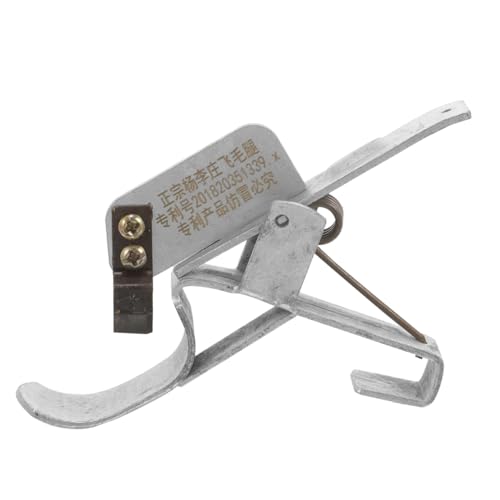
Core: This tree bark removal tool helps you handle bark removal, girdling, pruning, and grafting with one practical cutter, so routine fruit tree care feels simpler and less repetitive

Multipurpose Bark Removal: This tree bark removal tool is built for bark cutting, fruit tree girdling, branch trimming, and grafting tasks, giving gardeners one ring stripping knife for several routine orchard jobs while helping keep work organized and efficient

1.Multifunctional Tree Care Toolkit This set combines a bark scraper, fruit tree ring cutter, and grafting knife into one versatile solution. Tackle bark peeling, tree ring cutting, and grafting tasks with a single kit, eliminating the need for multiple tools.
Examining the Bark
Inspect the bark for color, texture, and signs of damage. Healthy bark is typically firm and smooth, displaying a consistent color. Look for:
- Cracks or Splits: These can indicate physical damage or disease.
- Peeling or Missing Bark: This often reveals issues with pests or decay.
- Discoloration: Dark spots or white fungal growth are signs of infection.
To further check health, gently scrape the bark with your fingernail. If the layer beneath is green, the tree is alive. If it’s brown or dry, the tree may be dead or dying.
Checking the Roots
Roots play a vital role in your tree’s health. Healthy roots absorb nutrients and water. Examine the root system by following these steps:
- Dig Carefully Around the Base: Use a trowel to expose the root zone.
- Look for Firmness: Healthy roots feel firm and flexible. Soft or mushy roots indicate rot.
- Check for Signs of Pests: Look for tunneling or visible insects.
If you find damage or disease, it’s important to address it promptly. Ensure soil drains well and doesn’t stay overly wet. Adjust your watering schedule and consider adding mulch to protect the roots from temperature extremes.
Steps to Revive a Dying Fruit Tree
Reviving a dying fruit tree involves carefully following steps that ensure it receives the proper care and attention. Focus on the following strategies to help restore your tree’s health.
Recommended Products

LONG-LASTING SHARPNESS: Japanese SK5 bypass blade with titanium coating is tested through 5,000 cuts to maintain a sharp edge and deliver clean, consistent cuts on live stems and branches

Reduce Hand Strain: These micro tip snips are made to reduces hand fatigue which makes them great for those with arthritis, carpal tunnel, hand or wrist issues; Comfortable “grip” handles will make it easy to work for long-time use without making you feel hand pain

DUAL CUTTING POWER: VERSATILE PRUNING COMBO --- With both Pruning Shears and Pruning Snip, this combo delivers unmatched versatility. Whether you're delicately trimming flowers and shrubs, tackling thicker tree branches, or tending to your vegetable and fruit garden, our combo pack excels in all areas. They're also perfect for landscaping projects and maintaining the health and appearance of indoor plants. With this pack, you have a versatile tool that simplifies your gardening tasks.
Pruning Techniques
- Assess Damage: Start by examining all branches, cutting back any dead or damaged limbs. Look for branches that don’t produce leaves or have cracks.
- Make Clean Cuts: Use sharp, sterilized pruning shears to avoid spreading disease. Cut just above a healthy bud or branch to encourage new growth.
- Thin Out Excess Growth: Remove crowded branches to improve air circulation. This helps reduce disease risk and allows the tree to allocate resources to healthier parts.
- Timing Is Key: Prune during the tree’s dormancy in late winter or early spring. Avoid pruning during active growth, as this can stress the tree.
- Test Soil Quality: Conduct a soil test to assess pH, nutrient levels, and drainage. This information helps you understand what your tree needs.
- Amend the Soil: Based on test results, add necessary amendments like compost, mulch, or fertilizers. These improve nutrient availability and soil structure.
- Ensure Proper Drainage: Check that water drains well around the tree’s roots. Poor drainage can lead to root rot, making it crucial to modify the soil if necessary.
- Mulch Generously: Apply a layer of organic mulch, like wood chips or straw, around the base. Mulch retains moisture, suppresses weeds, and gradually enriches the soil as it decomposes.
By following these steps, you can increase the chances of bringing your fruit tree back to health.
Conclusion
Taking the time to assess your fruit tree’s health can make all the difference. By observing signs of distress and knowing how to respond you can breathe new life into your tree or make peace with its condition. Remember to check the bark and roots for clues and don’t hesitate to prune or amend the soil when necessary.
Your fruit tree’s vitality often hinges on your care and attention. With the right approach you can nurture it back to health or at least enjoy the beauty it brings, even in its struggle. Keep learning and adapting your care techniques and you’ll be well on your way to a thriving garden. Happy gardening!
Frequently Asked Questions
What are the signs that my fruit tree is dead?
A fruit tree may be dead if you see wilted leaves, a lack of new growth, and lifeless branches. Additionally, if you notice severe bark damage or the tree does not produce blossoms in the spring, it might be beyond recovery. Regular inspections can help identify these signs early.
How can I assess the health of my fruit tree?
Check the bark for cracks or peeling, and scrape it lightly to see if there’s a green layer underneath. Examine the roots for firmness and check for signs of pests or decay. Monitoring new growth and overall appearance can also provide insights into the tree’s health.
What common problems affect fruit trees?
Fruit trees can suffer from diseases, pests like aphids and spider mites, and environmental stresses such as improper watering or poor soil quality. Signs of these issues include discolored leaves, wilting, and visible pests. Regular inspections can help you catch problems early.
How can I revive a dying fruit tree?
To revive a dying fruit tree, start with careful pruning to remove dead or damaged branches. Ensure proper soil drainage and consider conducting a soil test to evaluate nutrient levels. Apply organic mulch to retain moisture, and water appropriately to support recovery.
What should I do if my fruit tree has fungal infections?
If you suspect fungal infections, remove any infected parts promptly to prevent spread. Using fungicides may help, but be sure to follow the application instructions. Ensuring good air circulation and avoiding excessive moisture can also reduce the risk of fungal issues.
When is the best time to prune my fruit tree?
The best time to prune fruit trees is during their dormancy, typically in late winter or early spring. Pruning at this time minimizes stress on the tree and encourages healthy growth. Use clean, sterilized tools to make clean cuts and promote healing.
