

Have you ever wondered when it’s time to stop watering your fruit trees? You’re not alone. Many gardeners struggle with this question, especially during the hot summer months when it seems like a little extra water can’t hurt. But overwatering can lead to root rot and other issues that can harm your trees and their fruit.
This article will help you understand the signs that indicate your trees need less water. You’ll learn about the best practices for watering and how to gauge the moisture levels in the soil. By following these tips, you can ensure your fruit trees thrive and produce a bountiful harvest without the risk of overwatering.
Key Takeaways
- Know Your Trees: Different species of fruit trees have varying water needs; adjust your watering practices accordingly to avoid over or underwatering.
- Soil Type Matters: Soil composition affects moisture retention; sandy soils may require more frequent watering compared to clay soils.
- Seasonal Awareness: Watering needs change with the seasons—increase hydration during spring and summer, and significantly reduce it in fall and winter.
- Monitor Soil Moisture: Use a soil moisture meter or a simple squeeze test to check moisture levels before watering; cracks in the soil or hard surface indicate it’s time to stop.
- Recognize Tree Signals: Yellowing leaves, wilting fruits, or mushy roots are indicators of overwatering, while curled leaves suggest underwatering.
- Implement Best Practices: Water early in the morning, mulch around trees to retain moisture, and adapt your schedule based on weather conditions for optimal growth and health.
Understanding Fruit Tree Watering Needs
You must recognize the specific watering needs of your fruit trees to maintain their health. Different factors influence how much water trees require, and being aware of these changes ensures you provide the right amount, avoiding overwatering or underwatering.
Recommended Products

Kindly NOTE: This soil tester can not be applied to test pH value of any other liquid. If the soil is too dry the indicator will not move, and water it before testing.

Accurate Soil Moisture Detection: The XLUX Soil Moisture Meter can tell you if the soil deep inside your pot or garden is dry, moist or wet; whereas your eyes and fingers can only determine the moisture level of the soil surface. The probe is 5.5 inches (14 cm) longer than regular styles, allowing it to measure the soil moisture at the bottom of larger and deeper flower pots.
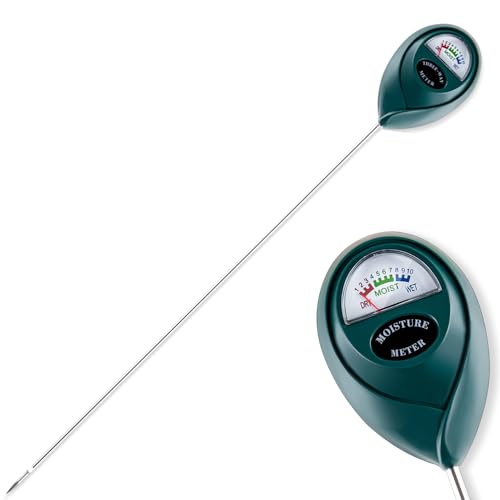
Long Probe for deep use - For plants with deep root systems, a long probe can reach the roots to provide an accurate moisture reading. This is essential for ensuring that the entire root zone is adequately watered
Factors Influencing Water Requirements
- Tree Species: Different fruit tree species have unique water needs. For example, apple trees typically require less water than peach trees, which thrive in moist conditions.
- Soil Type: Sandy soils drain quickly, needing more frequent watering, whereas clay soils retain moisture longer, reducing the need for watering.
- Age of the Tree: Young trees require more water to establish roots, while mature trees have deeper root systems that may access water underground, reducing their immediate needs.
- Weather Conditions: High temperatures and dry winds increase evaporation and transpiration rates, leading to a greater need for water.
- Mulching: Using mulch helps retain soil moisture and reduces the frequency of watering. Organic mulch like wood chips or grass clippings can be beneficial.
- Spring Growth: As temperatures rise in spring, trees enter a growth phase, requiring more water to support new leaf and fruit development.
- Summer Heat: During summer, the heat can spike, increasing the need for hydration. Monitor soil moisture levels weekly, watering deeply to ensure roots receive adequate hydration.
- Autumn Dormancy: As days shorten and temperatures drop in fall, reduce watering. Most trees enter dormancy, requiring less moisture since their growth slows down.
- Winter Months: In winter, trees often enter a state of dormancy, requiring minimal watering. Watering should only happen if there’s a prolonged dry spell or if the tree is newly planted.
By understanding these factors and seasonal changes, you can determine when to stop watering fruit trees, ensuring optimal health and productivity throughout the year.
Signs It’s Time to Stop Watering
Recognizing when to stop watering fruit trees is crucial for their health. Look for these specific signs to determine the right timing.
Recommended Products

Accurate Soil Moisture Detection: The XLUX Soil Moisture Meter detects deep soil moisture in pots or gardens (dry/moist/wet), unlike eyes or fingers that only sense surface soil.
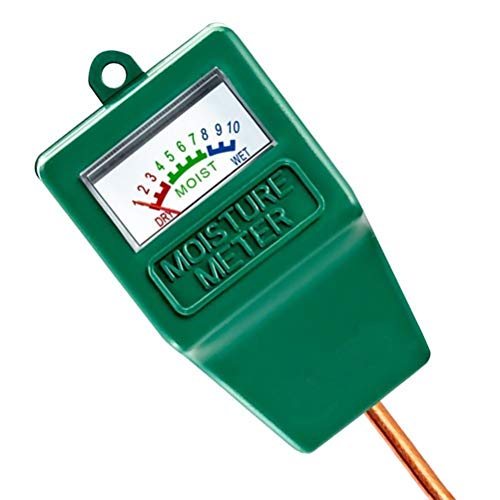
Soil Moisture Meter: This single probe soil moisture meter is specially designed for testing the moisture level in the soil, helps you decide whether the plants need water or not, helps to keep plants alive.
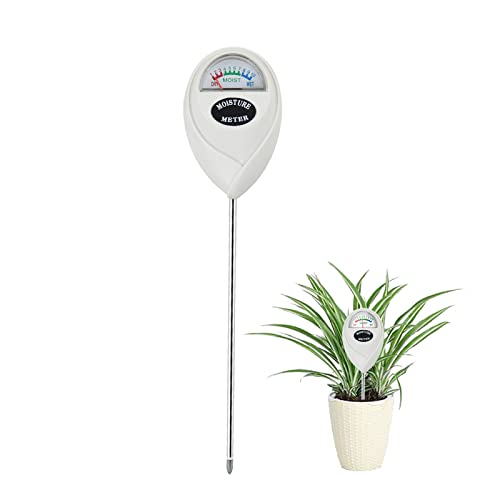
【SAVE YOUR PLANTS】: Over watering can cause problems with your plants or even kill them. This soil moisture meter helps you know the soil is dry, moist or wet.No more over watering!
Soil Moisture Levels
Check the soil moisture levels to decide when to reduce watering. You can do this by:
- Using a Soil Moisture Meter: Insert the meter into the soil about 6 inches deep. Readings below 4 may indicate it’s time to stop watering.
- Performing a Soil Test: Grab a handful of soil and squeeze it. If it breaks apart easily, the soil is too dry. If it retains shape, moisture is sufficient.
- Assessing Visual Signs: Observe the soil surface. If it shows cracks or feels hard, the tree needs a break from watering.
Tree Health Indicators
Look for specific tree health indicators that signal it’s time to cut back on watering:
- Leaf Color Changes: Watch for yellowing leaves, which often indicate overwatering. Green leaves suggest the tree is thriving.
- Wilting Fruits or Leaves: If the fruits or leaves droop, the tree may be either overwatered or underwatered. Ensure the soil moisture checks align with these signs.
- Root Health: If roots appear mushy or brown during inspection, it’s essential to stop watering, as these are signs of root rot.
By understanding soil moisture levels and assessing tree health indicators, you’ll maintain healthy fruit trees and promote a successful harvest.
Best Practices for Watering Schedules
Establishing a proper watering schedule ensures fruit trees thrive without the risk of overwatering. Understanding when and how to water influences tree health and fruit production.
Recommended Products

SAVE TIME AND EFFORT: This plant watering kit has everything you need to get started with drip irrigation and precisely water up to ten individual plants. Use the kit to build, expand, or repair a drip irrigation system
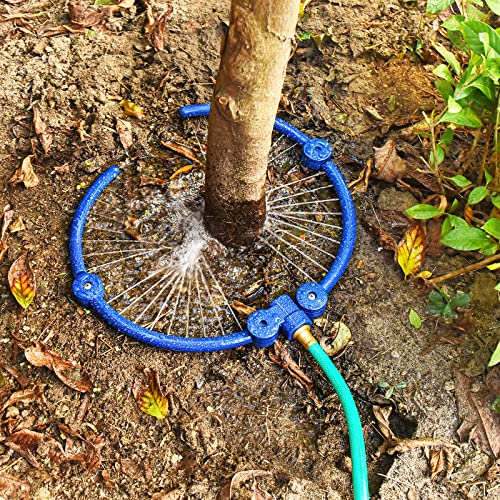
【Specially Designed for Trees and Shrubs】 The Watering Ring is a multi-purpose irrigation ring that attaches to a garden hose to efficiently water young trees shrubs vegetables or flower beds using drip or trickle irrigation.It directs water to the root perimeter of the plant to give them a good start during the first two growing seasons or through periods of drought.
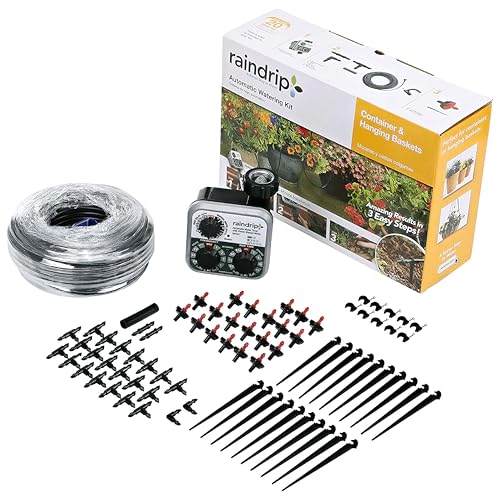
Save Time and Effort: This Raindrip drip irrigation kit includes everything you need to create a drip watering system for potted plants and precisely water up to twenty plants, saving time and effort while keeping your garden healthy
Timing Watering for Optimal Growth
Water fruit trees early in the morning. The soil retains moisture better, and evaporation rates are lower. During the growing season, aim for watering every week, providing approximately 1 to 1.5 inches of water. Young trees require more frequent watering, especially during their first two years, as they establish their root systems. For mature trees, monitor soil moisture and adjust watering frequency based on their access to deeper moisture layers.
Adjusting for Weather Conditions
Adapt your watering schedule based on weather. Increase watering during hot, dry spells, as trees lose moisture rapidly. If you experience heavy rainfall, reduce or skip watering sessions entirely to prevent waterlogged soil. Use mulch around the base of trees to help retain moisture during dry periods, but ensure it doesn’t touch the tree trunk, preventing rot. In winter, reduce watering, as trees enter dormancy and their water needs decrease significantly.
Common Mistakes to Avoid
Avoiding certain mistakes can help you maintain healthy fruit trees during watering. Recognizing these pitfalls enhances your gardening success.
Overwatering Risks
Overwatering can lead to serious issues for your fruit trees. Root rot develops in saturated soil, leading to the decline of tree health. Signs of overwatering include yellowing leaves, mushy roots, and a foul smell emanating from the soil. To prevent these issues, always check soil moisture before continuing your watering routine. Use a soil moisture meter or perform a simple finger test by pushing your finger about an inch into the soil. If it feels wet, hold off on watering. Adjust your schedule based on rainfall and seasonal changes.
Underwatering Consequences
Underwatering can also severely affect your fruit trees. Insufficient moisture may stunt growth, cause fruit drop, and lead to wilting leaves. Trees struggling for water often show curled leaves or changes in color. To address underwatering, keep an eye on weather conditions and adjust your irrigation accordingly. During hot months, aim for 1 to 1.5 inches of water weekly. Consider adding mulch around the base of your trees to help retain moisture and regulate soil temperature, fostering healthier growth.
By being aware of these common mistakes, you can better support the health and productivity of your fruit trees.
Conclusion
Knowing when to stop watering your fruit trees is key to their health and productivity. By paying attention to soil moisture and tree health indicators you can avoid the pitfalls of overwatering and underwatering.
Remember to adjust your watering routine based on the season and specific needs of your trees. Using mulch can help retain moisture and regulate temperature. With a little observation and care you’ll set your fruit trees up for a bountiful harvest. Happy gardening!
Frequently Asked Questions
When should I stop watering my fruit trees during the summer?
During summer, you should reduce watering when the soil feels dry about 2-3 inches below the surface. Signs include soil cracks, hard texture, or leaf drooping. Monitor conditions carefully, as trees may need more water during extreme heat.
How can I check if my soil needs water?
You can check soil moisture by using a soil moisture meter, conducting a simple soil test, or feeling the soil with your fingers. Look for visual signs like cracks or a hard surface to gauge moisture levels effectively.
What are the risks of overwatering fruit trees?
Overwatering can lead to root rot, which causes unhealthy roots and stunted tree growth. It can also invite pests and diseases, resulting in yellowing leaves and mushy roots. Always check moisture levels before watering.
How much water do fruit trees need in hot weather?
Fruit trees typically require 1 to 1.5 inches of water per week during hot months. This can vary based on tree species and soil type, so adjust your watering schedule according to rainfall and temperature conditions.
What are some common mistakes in watering fruit trees?
Common mistakes include overwatering, which leads to root rot, and underwatering, which stunts growth. Also, failing to check soil moisture before watering can result in improper watering schedules that harm tree health.
How does mulch help my fruit trees?
Mulch retains soil moisture, regulates temperature, and reduces weed competition. Using mulch around your fruit trees helps maintain consistent moisture levels in the soil, supporting healthy growth, especially during hot, dry periods.
