

Apricot trees can grow in Baltimore, MD, but successful cultivation requires careful urban soil management. Factors such as soil quality, drainage, and local climate conditions must be addressed to ensure healthy growth and fruit production.
Urban Soil Testing for Apricot Growth
Urban soil often presents challenges for growing apricot trees, including compaction, poor drainage, and nutrient deficiencies. Testing the soil is essential to determine its pH, texture, and nutrient content. A balanced soil pH between 6.0 and 7.0 is optimal for apricot trees.
Recommended Products

KNOW BEFORE YOU GROW | Grow the healthiest, sustainable lawn and garden with the most accurate and easy to use professional soil test kit on the market

Comprehensive Soil Analysis: Liquid soil test kits offer a comprehensive analysis of essential soil parameters, including pH, ammonia, nitrogen, phosphorus, and potassium. Having all these measurements in one kit provides a holistic understanding of the soil's fertility and health.

Kindly NOTE: This soil tester can not be applied to test pH value of any other liquid. If the soil is too dry the indicator will not move, and water it before testing.
Soil Quality Assessment Steps
Understanding soil quality is essential for successfully growing apricot trees in Baltimore’s urban environment. This section outlines the specific steps needed to assess soil conditions, ensuring that local gardeners can effectively manage their soil for optimal tree health and fruit production. Proper evaluation will help identify any necessary amendments to support robust growth in this unique climate.
To assess soil quality effectively, follow these steps:
Collect soil samples from multiple locations in your yard.
Use a soil test kit to analyze pH and nutrient levels.
Send samples to a local agricultural extension office for detailed analysis.
| Soil Parameter | Ideal Range | Action Needed |
|---|---|---|
| pH Level | 6.0 – 7.0 | Amend with lime or sulfur |
| Nitrogen | 10-20 ppm | Add organic compost |
| Phosphorus | 20-50 ppm | Incorporate bone meal |
| Potassium | 100-200 ppm | Use potassium sulfate |
Improve Soil Drainage for Apricot Trees
Improving soil drainage is crucial for the successful growth of apricot trees in Baltimore, MD. Urban soil often presents challenges such as compaction and poor water retention, which can hinder tree health. Understanding effective strategies to enhance drainage will help ensure that apricot trees thrive in this unique urban environment.
Good drainage is crucial for apricot trees to thrive. Poorly drained soil can lead to root rot and other diseases. If your soil retains too much water, consider these strategies to improve drainage.
Recommended Products

🍑 𝐏𝐑𝐄𝐌𝐈𝐔𝐌 𝐀𝐏𝐑𝐈𝐂𝐎𝐓 𝐏𝐎𝐓𝐓𝐈𝐍𝐆 𝐌𝐈𝐗: Our Apricot Potting Mix is expertly crafted to provide the perfect growing environment for vibrant and healthy apricot trees. This premium soil mix ensures your apricot trees receive the optimal nutrients, moisture, and aeration needed to thrive, making it ideal for both indoor plants and container gardening.

100% Natural: Expertly hand-blended with premium ingredients for potted citrus trees, ensuring your trees receive the purest, chemical-free nutrients. Contains no artificial additives.

【Ideal pH Balance】Our citrus soil is carefully calibrated to maintain an optimal pH level between 6.0 and 7.1, ensuring your citrus trees can absorb essential nutrients efficiently and thrive
Raised Bed Strategies for Urban Drainage
In urban environments like Baltimore, managing soil drainage is crucial for the health of apricot trees. Raised beds can be an effective solution, allowing for better water management and root development. This section explores various strategies for implementing raised beds to enhance drainage and promote thriving apricot trees in city landscapes.
Create raised beds to elevate soil above waterlogged areas.
Incorporate organic matter such as compost to improve soil structure.
Install drainage tiles if your yard has persistent water pooling.
Soil Fertilization Strategies for Apricot Trees
Effective soil fertilization is crucial for the successful growth of apricot trees in Baltimore’s unique urban environment. Understanding the specific nutrient needs and soil conditions can help optimize tree health and fruit production. This section explores targeted fertilization strategies tailored to support apricot trees thriving in the local soil.
Nutrient management is vital for apricot trees. A well-balanced fertilizer can support healthy growth and fruit production. Organic amendments can also enhance soil health over time.
Recommended Products

Balanced Organic Nutrition – Supplies a 6‑3‑3 NPK ratio along with calcium, sulfur, iron, and zinc to foster healthy foliage, flowering, and fruit.
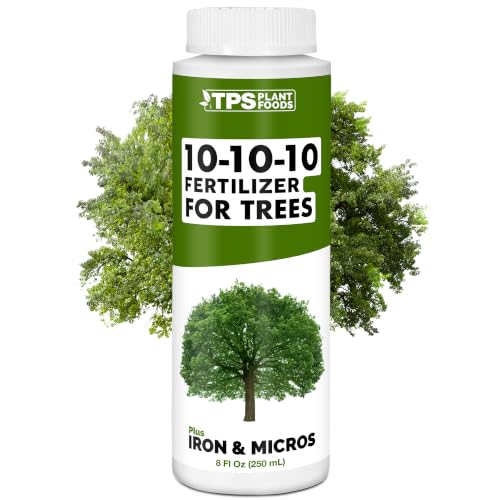
Supports Roots, Foliage & Structure – Helps encourage strong roots and steady plant development.

Made for Lemon & Citrus Trees – Formulated to support healthy growth in lemon and citrus plants.
Fertilizer Options for Urban Apricot Trees
Selecting the right fertilizer is crucial for the health and productivity of apricot trees in urban environments like Baltimore. Given the unique challenges posed by urban soil management, understanding the specific nutrient needs of these trees can help ensure optimal growth and fruit production. This section explores various fertilizer options tailored for apricot trees thriving in city conditions.
Use a balanced fertilizer with equal parts nitrogen, phosphorus, and potassium.
Apply organic compost annually to improve soil fertility.
Consider mycorrhizal fungi to enhance root development and nutrient uptake.
| Fertilizer Type | Application Rate | Timing |
|---|---|---|
| Balanced Fertilizer | 1 lb per 10 sq ft | Early spring |
| Organic Compost | 2-3 inches | Fall and spring |
| Mycorrhizal Fungi | Follow package instructions | During planting |
Assess Baltimore’s Climate for Apricot Success
Baltimore’s climate plays a crucial role in determining the viability of apricot trees in the area. Understanding local temperature patterns, rainfall, and seasonal variations is essential for successful cultivation. This section delves into the specific climatic conditions that can influence apricot growth and overall tree health in the city.
Baltimore’s climate plays a significant role in the success of apricot trees. Understanding local weather patterns can help you choose the right varieties and plan for potential challenges.
Cold-Hardy Apricot Varieties for Baltimore
Baltimore’s climate presents unique challenges for growing apricot trees, particularly when selecting the right varieties. Cold-hardy apricot options can thrive in the region’s winters while still producing fruit. Understanding which varieties are best suited for urban soil management will help local gardeners successfully cultivate these trees.
Choose cold-hardy varieties that can withstand occasional frost.
Monitor seasonal temperatures to protect blossoms from late frosts.
Provide windbreaks to shield trees from harsh winds during winter.
Urban Pest Control for Apricot Trees
Managing urban pests is crucial for the successful cultivation of apricot trees in Baltimore’s unique environment. Understanding the common pests that threaten these trees, along with effective control strategies, can significantly enhance their health and productivity. This section delves into practical pest management techniques tailored for urban settings to ensure thriving apricot trees.
Urban environments can attract pests and diseases that threaten apricot trees. Regular monitoring and proactive management are necessary to maintain tree health.
Pest Management Techniques for Apricot Trees
Effective pest management is crucial for the successful cultivation of apricot trees in Baltimore, MD. Urban environments present unique challenges, including specific pests that thrive in city conditions. Understanding various pest management techniques can help ensure healthy growth and fruit production for these trees in urban soil.
Inspect trees regularly for signs of pests such as aphids or spider mites.
Use insecticidal soap or neem oil for organic pest control.
Promote beneficial insects like ladybugs to naturally manage pest populations.
| Pest/Disease | Symptoms | Control Method |
|---|---|---|
| Aphids | Curling leaves | Insecticidal soap |
| Powdery Mildew | White powdery spots | Neem oil |
| Root Rot | Wilting leaves | Improve drainage |
Seasonal Preparation for Apricot Tree Health
Seasonal preparation is crucial for maintaining the health of apricot trees in Baltimore’s unique urban environment. Understanding the specific needs of these trees throughout the year can enhance their growth and fruit production. This section outlines essential practices to ensure optimal conditions for apricot trees, taking into account local soil management and climate factors.
Seasonal changes can impact the health of apricot trees. Proper preparation can mitigate risks associated with temperature fluctuations and precipitation.
Pruning Techniques for Urban Apricot Trees
Pruning is essential for maintaining the health and productivity of apricot trees, especially in urban environments like Baltimore. Proper techniques can help manage growth, improve air circulation, and enhance fruit quality. Understanding the specific needs of apricot trees in urban soil conditions will ensure they thrive in this unique setting.
Prune trees in late winter to promote healthy growth.
Mulch around the base to retain moisture and regulate soil temperature.
Water deeply during dry spells to support root development.
Regularly monitor soil conditions, tree health, and local climate factors to ensure the successful growth of apricot trees in Baltimore. Implementing these strategies will enhance your chances of a fruitful harvest.
