

Banana trees thrive in Glendale, AZ with proper desert irrigation and care techniques. To ensure healthy growth, focus on soil quality, watering schedules, and pest management strategies that suit arid conditions.
Banana Tree Varieties for Glendale’s Climate
Choosing the right banana tree variety is crucial for successful cultivation in Glendale’s climate. The most common varieties include the Dwarf Cavendish, known for its compact size and sweet fruit, and the Gros Michel, which is larger and more robust. Both varieties require specific care tailored to the desert environment.
Dwarf Cavendish: Ideal for small spaces and containers.
Gros Michel: Produces larger fruit and requires more space.
Understanding these differences helps in selecting a variety that fits your gardening goals.
Recommended Products
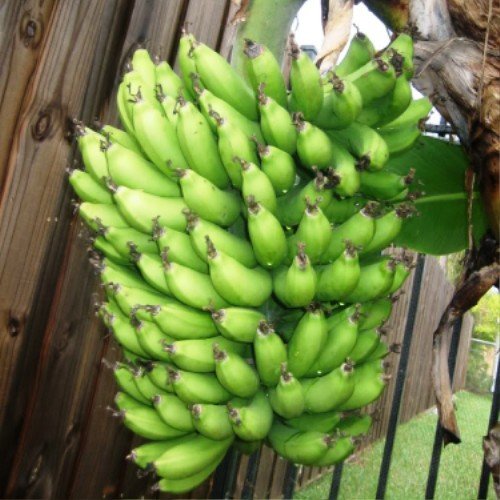
Includes Four "Dwarf Cavendish" Banana Plants. These are 2 inch rooted plants shipped in 2 inch tray pots and are 3-6 inches tall.

Growing banana plants at home promotes sustainability and self-sufficiency. Customers can reduce their reliance on store-bought bananas, which often come from far distances, and enjoy the satisfaction of harvesting their own organic fruit.

This is a cold hardy variety of banana grown from zones 6-10
Enhancing Soil Quality for Banana Trees
Improving soil quality is essential for cultivating healthy banana trees in Glendale’s arid climate. The right soil composition not only supports growth but also enhances water retention, making irrigation more effective. This section explores techniques and strategies to enrich the soil, ensuring optimal conditions for thriving banana plants in a desert environment.
Soil quality directly impacts the health of banana trees. In Glendale, the native soil may lack the nutrients necessary for optimal growth. To improve soil conditions, consider the following steps:
Test soil pH: Aim for a pH between 5.5 and 7.0.
Amend soil: Incorporate organic matter like compost or well-rotted manure to enhance nutrient content.
Ensure drainage: Banana trees prefer well-draining soil to prevent root rot.
Desert Soil Improvement Methods
In Glendale, AZ, the unique challenges of desert soil require specific improvement methods to support healthy banana tree growth. Understanding how to enhance soil quality will significantly impact irrigation effectiveness and overall plant health. This section explores various techniques tailored to optimize desert soil conditions for successful banana cultivation.
Improving soil can involve several techniques. Here’s a quick guide:
| Amendment Type | Purpose | Application Method |
|---|---|---|
| Compost | Adds nutrients | Mix into topsoil |
| Mulch | Retains moisture | Apply around base |
| Perlite | Improves drainage | Blend with soil |
Using these amendments can significantly enhance growth and fruit production.
Irrigation Techniques for Desert Banana Trees
In Glendale, AZ, successfully cultivating banana trees requires an understanding of effective irrigation techniques tailored to the desert environment. Given the region’s arid climate, implementing efficient watering methods is crucial for promoting healthy growth and fruit production. This section explores various strategies to ensure your banana trees thrive despite the challenges of desert conditions.
Proper irrigation is vital in the desert. Banana trees require consistent moisture but cannot tolerate standing water. Here are key irrigation practices:
Water deeply: Water the base of the tree to encourage deep root growth.
Use drip irrigation: This method conserves water and delivers moisture directly to the roots.
Monitor moisture levels: Use a moisture meter to avoid overwatering.
Banana Tree Irrigation Timing in Glendale
Understanding the optimal irrigation timing for banana trees in Glendale, AZ is crucial for their growth and productivity. Given the region’s unique desert climate, proper watering techniques can significantly affect the health of these tropical plants. This section explores the best practices for timing irrigation to ensure your banana trees thrive in arid conditions.
A consistent watering schedule helps maintain healthy trees. Consider the following:
| Season | Frequency | Amount |
|---|---|---|
| Spring | Twice a week | 2-3 gallons |
| Summer | Three times a week | 3-5 gallons |
| Fall | Once a week | 2 gallons |
| Winter | Monthly | 1 gallon |
Adjusting the schedule based on rainfall and temperature is essential for maintaining optimal moisture levels.
Pest Management Techniques for Banana Trees
Managing pests is crucial for the health of banana trees in Glendale’s arid climate. Effective pest management techniques can help protect these tropical plants from common threats, ensuring they thrive despite the challenges posed by desert conditions. Understanding these strategies will aid in maintaining vibrant and productive banana trees in your garden.
Pest management is critical for banana trees in Glendale. Common pests include aphids, spider mites, and banana weevils. Effective strategies include:
Regular inspections: Check leaves and stems for signs of infestation.
Organic pesticides: Use neem oil or insecticidal soap to manage pests without harming beneficial insects.
Encourage natural predators: Ladybugs and lacewings can help control aphid populations.
Pest Control Strategies for Banana Trees
Managing pests is crucial for the health of banana trees, especially in the unique climate of Glendale, AZ. Effective pest control strategies not only protect the plants but also enhance their growth and fruit production. Understanding the specific threats and implementing targeted solutions can ensure a thriving banana grove in the desert environment.
Here are some effective pest management techniques:
| Pest | Symptoms | Control Method |
|---|---|---|
| Aphids | Curling leaves | Neem oil application |
| Spider Mites | Webbing on leaves | Increase humidity |
| Banana Weevils | Wilting leaves | Remove affected plants |
Monitoring and addressing pest issues promptly can prevent larger infestations.
Banana Tree Fertilization Strategies in Glendale
In Glendale, AZ, successfully growing banana trees requires careful attention to fertilization strategies tailored to the desert climate. Understanding the nutritional needs of these tropical plants is essential for promoting healthy growth and fruit production. This section explores effective fertilization techniques that can help banana trees thrive in arid conditions.
Fertilization plays a significant role in banana tree health and fruit production. In Glendale, consider the following:
Use balanced fertilizers: A 10-10-10 or 8-10-10 NPK fertilizer promotes growth.
Apply during growing season: Fertilize every 6-8 weeks from spring to early fall.
Follow application rates: Adhere to the recommended rates to avoid nutrient burn.
Nutrient Timing for Banana Trees
Understanding the timing of nutrient application is crucial for the health and productivity of banana trees in Glendale’s desert climate. Proper nutrient management not only supports growth but also enhances fruit quality. This section delves into the optimal timing and methods for fertilizing banana trees to ensure they thrive in arid conditions.
A proper schedule ensures trees receive necessary nutrients:
| Month | Fertilizer Type | Application Rate |
|---|---|---|
| March | Balanced NPK | 1 cup per tree |
| May | Potassium-rich | 1 cup per tree |
| July | Balanced NPK | 1 cup per tree |
| September | Potassium-rich | 1 cup per tree |
Regular fertilization can lead to healthier trees and larger fruit yields.
Environmental Stress Indicators for Banana Trees
Understanding the environmental stress indicators for banana trees is crucial for their successful cultivation in Glendale, AZ. This area presents unique challenges due to its desert climate, making it essential to recognize signs of stress that can affect growth and fruit production. Properly identifying these indicators can help ensure the health and vitality of your banana trees.
Environmental factors can stress banana trees, affecting their growth. In Glendale, watch for:
Extreme temperatures: Protect trees from frost and excessive heat.
Wind exposure: Use windbreaks to shield young trees.
Soil erosion: Implement mulch to prevent erosion and retain moisture.
Banana Tree Stress Reduction Methods
Banana trees in Glendale, AZ, face unique challenges due to the desert climate, making stress management essential for their health. Understanding effective methods to reduce stress can significantly enhance their growth and fruit production. This section explores practical strategies to support banana trees in thriving despite environmental pressures.
Here are some techniques to mitigate stress:
| Stress Factor | Solution | Action |
|---|---|---|
| Frost | Cover trees | Use frost cloth |
| Heat | Provide shade | Use shade cloth |
| Wind | Install barriers | Plant windbreaks |
Addressing these factors promptly can help maintain tree health and productivity.
