

Growing mango trees in Oklahoma requires careful selection of heat-resistant varieties and strategies to enhance storm resilience. Choosing the right location and implementing protective measures can lead to successful cultivation despite the state’s challenging climate conditions.
Heat-Tolerant Mango Cultivars for Oklahoma
When growing mango trees in Oklahoma, selecting the right variety is crucial for thriving in high heat. Some varieties are more tolerant to heat and drought, making them suitable for the state’s climate. Look for cultivars known for their resilience.
Haden: Known for its exceptional flavor and heat tolerance.
Tommy Atkins: A popular choice due to its disease resistance and adaptability.
Kent: Offers good fruit quality and handles heat well.
| Variety | Heat Tolerance | Disease Resistance | Flavor Profile |
|---|---|---|---|
| Haden | High | Moderate | Sweet |
| Tommy Atkins | High | High | Mild |
| Kent | Moderate | High | Sweet |
Recommended Products

Tropical Fruit Seeds: Grow your own delicious mangoes at home with this set of 3 premium mango tree seeds, perfect for cultivating fresh, sweet tropical fruit right in your garden or indoor space

✅ Lifetime Guarantee on Delivery: If your plant arrives in poor condition, dry or damaged, we will send you a replacement at no additional cost or we will give you a full refund. 📦 Conditions: Apply only within the first 48 hours after delivery. It is necessary to send photos of the tree when receiving it showing the damage. It does not cover damage due to poor handling after delivery (lack of irrigation, excess sun in the pot
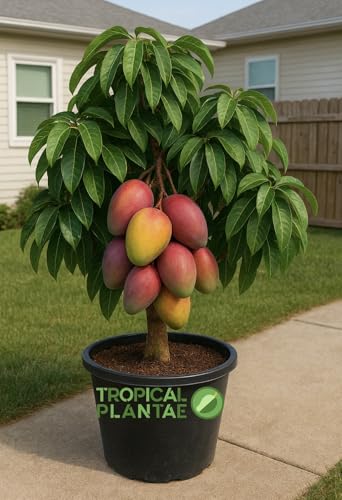
Imagine stepping into your backyard a few months from now and seeing a beautiful grafted Haden mango tree, growing stronger every day — a tree that will soon reward you with one of the most classic, flavorful mangoes ever grown.
Soil Preparation Techniques for Mango Trees
Preparing the right soil is crucial for successfully growing mango trees in Oklahoma’s challenging climate. This section explores effective techniques to enhance soil quality, ensuring optimal drainage and nutrient availability. By focusing on soil preparation, you can create a strong foundation for your mango trees to thrive despite high heat and storm conditions.
Soil preparation is essential for the healthy growth of mango trees. The right soil mix can enhance drainage and nutrient availability, which is vital in high temperatures. Aim for a sandy loam or well-draining soil.
Test Soil pH: Ideal pH is between 5.5 and 7.5.
Amend Soil: Incorporate organic matter like compost to improve fertility.
Ensure Drainage: Avoid waterlogging by creating raised beds if necessary.
Storm Protection Techniques for Mango Trees
Mango trees can thrive in Oklahoma’s challenging climate, but they require specific strategies to withstand storms and high heat. Implementing effective storm protection techniques is crucial for ensuring their health and productivity. This section explores various methods to safeguard mango trees from severe weather conditions while promoting their growth and resilience.
Oklahoma is prone to storms that can damage mango trees. Implementing protective measures can help mitigate storm damage and ensure tree survival.
Staking Young Trees: Use stakes to provide support during strong winds.
Windbreaks: Plant shrubs or trees to shield mango trees from wind.
Pruning: Regularly prune to reduce wind resistance and improve airflow.
| Strategy | Benefit | Implementation Difficulty |
|---|---|---|
| Staking | Provides support | 2 |
| Windbreaks | Reduces wind impact | 3 |
| Pruning | Enhances airflow | 2 |
Recommended Products

Everything You Need is Included - Steel tree stake kits includes 3 steel stakes (11.8 inch), 3 straps (15.75 inch), and 3 ropes (13.12 FT) for anchoring. The diameter 4mm ropes come with aluminium tensioners for quick set up. Strong metal stakes without the worry of breaking in half or bending like plastic stakes, enough to hold the tree firmly. The straps are wide enough to spread the load so there's little chance that it will damage the bark or constrict the tree in any way

Perfect Tree Staking Kit: Our tree stake straight kits set includes 3 PCS tree strap ties for staking, 3 PCS steel tree stakes, and a 31.2 feet length rope for anchoring. Detailed instructions are included in the product packaging. This is a complete kit that you don't need to buy any other related accessories.

【Heavy Duty Spiral Stakes】Compared to ordinary straight stakes, the spiral structure provides excellent grip. It can firmly fix your trees in place, resisting strong winds and harsh outdoor conditions. Constructed with high-quality metal, these heavy-duty spiral stakes won’t easy bend or snap. Suitable for hard, rocky ground and grassland
Watering Strategies for Oklahoma Mango Trees
Effective watering strategies are crucial for cultivating healthy mango trees in Oklahoma’s challenging climate. Given the state’s high heat and potential storm conditions, understanding the right techniques for irrigation can significantly impact tree growth and fruit production. This section explores tailored watering methods to ensure your mango trees thrive despite environmental stresses.
Proper watering techniques are vital for mango trees, especially during Oklahoma’s hot months. Efficient watering helps trees withstand heat stress and promotes healthy growth.
Deep Watering: Water deeply but infrequently to encourage deep root growth.
Mulching: Apply mulch around the base to retain moisture and regulate soil temperature.
Irrigation Systems: Consider drip irrigation for efficient water delivery.
Fertilization Techniques for Mango Tree Health
Proper fertilization is essential for the health and productivity of mango trees, especially in Oklahoma’s challenging climate. Understanding the specific nutrient needs and timing can significantly enhance growth and fruiting. This section explores effective fertilization techniques tailored to ensure robust mango tree development amidst high heat and potential storms.
Fertilization plays a key role in the health of mango trees. Using the right fertilizers can enhance growth and fruit production.
Balanced Fertilizer: Use a balanced fertilizer with equal parts nitrogen, phosphorus, and potassium.
Timing: Fertilize in early spring and again in late summer.
Organic Options: Consider using fish emulsion or seaweed extract for natural growth stimulation.
| Fertilizer Type | Nutrient Ratio | Application Frequency | Effectiveness |
|---|---|---|---|
| Balanced Fertilizer | 10-10-10 | Twice a year | High |
| Fish Emulsion | Varies | Monthly | Moderate |
| Seaweed Extract | Varies | Monthly | High |
Pest Control Strategies for Mango Trees
Effective pest control is crucial for the successful cultivation of mango trees in Oklahoma, especially given the challenges posed by high heat and storm conditions. Understanding the specific pests that affect mango trees and implementing targeted strategies can help ensure healthy growth and fruit production. This section explores various pest control methods tailored to the unique environment of Oklahoma.
Pest and disease management is essential for healthy mango trees. Regular monitoring and proactive measures can prevent infestations and infections.
Regular Inspections: Check for signs of pests like aphids and scale.
Natural Predators: Encourage beneficial insects like ladybugs.
Organic Pesticides: Use neem oil or insecticidal soap when necessary.
| Pest/Disease | Symptoms | Recommended Treatment |
|---|---|---|
| Aphids | Curling leaves | Neem oil |
| Scale | Sticky residue | Insecticidal soap |
| Powdery Mildew | White powdery spots | Baking soda solution |
Recommended Products

FUNGAL DISEASE CONTROL: Prevents and controls black spot on roses, powdery mildew, rust, downy mildew, and other listed fungal diseases when applied on a 7–14 day schedule

Protect your oasis with Captain Jack’s Neem Max Concentrate; this multipurpose product acts as a 4-in-1 insecticide, fungicide, miticide and nematicide

FOR ORGANIC GARDENING - Captain Jack's NeemMax is a perfect pest control solution for any garden dealing with mites, flies, mildew, and more. This product is a four-in-one insecticide, fungicide, miticide, and nematicide.
Mango Tree Cultivation Tips for Oklahoma
Cultivating mango trees in Oklahoma presents unique challenges due to the state’s high heat and unpredictable storms. Understanding the specific needs of these tropical plants is essential for successful growth and fruit production. The following tips will help you navigate the intricacies of mango tree cultivation in this distinctive climate.
Growing mango trees in Oklahoma is feasible with the right approach. Focus on heat-resistant varieties, effective soil preparation, and storm resilience strategies. Regular maintenance will ensure healthy trees and fruitful harvests.
