

Wondering when to prune your fruit trees in the Pacific Northwest? You’re not alone. Many gardeners face the challenge of timing their pruning just right to ensure healthy growth and a bountiful harvest.
In this region, the unique climate and varying tree types can make it tricky to know the best time for pruning. But don’t worry! Understanding the right timing can help you maximize fruit production and maintain the health of your trees. This article will guide you through the ideal pruning times, so you can enjoy thriving fruit trees for years to come.
Key Takeaways
- Optimal Pruning Times: The best time to prune fruit trees in the Pacific Northwest is late winter (January to early March) while trees are dormant, and during summer (June to August) for active growth management.
- Pruning Techniques: Familiarize yourself with different pruning methods such as thinning, heading, sustaining, and renewal, each serving specific purposes for tree health and productivity.
- Specific Needs for Fruit Trees: Different fruit trees like apples, pears, and cherries have unique pruning times and techniques that enhance their growth and fruit production.
- Environmental Considerations: Monitor weather conditions to avoid pruning during freezing temperatures and manage pest and disease risks by timing pruning appropriately.
- Long-term Tree Health: Regular pruning not only improves fruit quality and yield but also helps in shaping the tree for better light penetration and air circulation.
Understanding Pruning Basics
Pruning fruit trees is essential for their health and productivity. It encourages strong growth, improves air circulation, and enhances fruit quality. Understanding when and how to prune sets the foundation for a flourishing orchard in the Pacific Northwest.
Recommended Products

★ 1. What you get: Professional convenient grafting tool set including a dual-use grafting pruner tool contain 2 extra replaceable blades, a wrench and a screwdriver, along with 36pcs wide rubber bands, 150 thick rubber bands and 1 grafting tape, packed in a black wallet to meet all your needs

✂Multifunctional -2 in 1 Garden Grafting Tools-Professional grafting set allows you to pruning and grafting at the same time, saving more time and effort than traditional grafting methods, easy to use and more efficient. It allows you to trim away excess leaves and twigs and prepare the plants to be grafted. At the same time, you can make a precise cut into the grafting stock with the special grafting blade.

Pruning Trees Shrubs and Vines No 54 By Gardenway Editors
Importance of Pruning
Pruning plays a critical role in fruit tree management. By removing dead or diseased branches, you prevent disease spread. Thinning branches allows sunlight to reach more parts of the tree, promoting even growth. Pruning also shapes the tree, making it easier to harvest fruit. In the Pacific Northwest, timely pruning leads to higher yields and improves tree resilience against harsh weather conditions.
Types of Pruning Techniques
Pruning techniques vary based on the desired outcome. Here are the main types you should know:
- Thinning: This technique involves removing entire branches to open up the tree’s structure. Thinning reduces overcrowding and enhances air circulation.
- Heading: This method shortens branches to promote bushier growth. Heading is ideal for young trees, encouraging them to branch out.
- Sustaining: This technique focuses on maintaining tree size and shape. Regular maintenance pruning prevents trees from becoming too large for your space.
- Renewal: This involves removing older branches to encourage new growth, allowing trees to rejuvenate over time.
Consider your fruit tree’s specific needs when choosing a technique. Each method serves a unique purpose in sustaining healthy trees and maximizing fruit production.
Timing for Pruning
Pruning fruit trees at the right time is crucial for their health and productivity. Knowing when to prune helps you promote strong growth and maximize your harvest.
Recommended Products

LONG-LASTING SHARPNESS: Japanese SK5 bypass blade with titanium coating is tested through 5,000 cuts to maintain a sharp edge and deliver clean, consistent cuts on live stems and branches

CLEAN CUTS FOR LIVE GROWTH: Bypass blade design is ideal for pruning delicate flower stems and green growth, helping reduce crushing and plant damage while cutting stems and small branches up to 5/8” in diameter
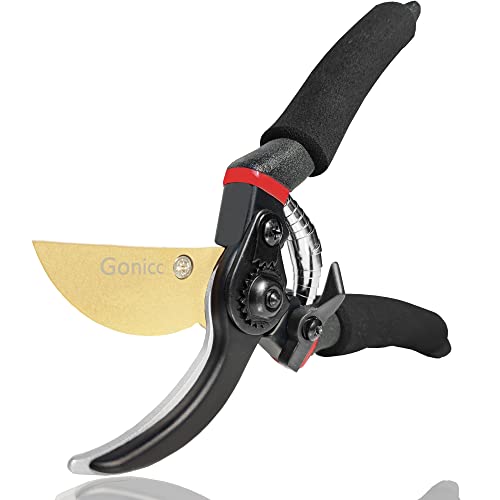
Drop-forged construction delivers exceptional durability and sturdiness for long-term heavy garden use.
When to Prune in Winter
Prune fruit trees in late winter, typically from late January to early March, while the trees are still dormant. This phase allows you to assess the tree’s structure without leaves obstructing your view. Fruiting trees like apple and pear benefit from winter pruning, as it encourages robust growth. Cut away dead, damaged, or crossing branches to improve air circulation. For example, if you notice a branch growing inward, trim it back to allow light and air to reach the center of the tree.
When to Prune in Summer
Summer pruning occurs from June to August when trees are actively growing. This timing helps control the tree’s size and shape while promoting fruit quality. For stone fruits like cherries or peaches, summer pruning reduces the risk of diseases such as brown rot. Focus on thinning crowded branches to allow sunlight to reach all parts of the tree’s canopy. When removing branches, aim to cut back to a healthy outward-growing bud to direct growth away from the center.
Specific Fruit Trees
Understanding when to prune specific fruit trees in the Pacific Northwest helps maximize their potential for growth and fruit production.
Recommended Products

· ULTRA-SHARP SK5 STAINLESS STEEL - Engineered with premium SK5 stainless steel, these heavy duty pruning shears deliver razor-sharp precision and maximum hardness. The rust-resistant blades are designed to stay sharp longer, effortlessly resisting corrosion and sap buildup for smooth, friction-free garden shears performance year after year.

Sharp & Rustproof: Our garden scissors are made of premium stainless steel material, which has corrosion resistance and good hardness. Sharp blades can quickly finish pruning tasks for gardens, vegetable gardens, orchards, and indoor plants

DUAL CUTTING POWER: VERSATILE PRUNING COMBO --- With both Pruning Shears and Pruning Snip, this combo delivers unmatched versatility. Whether you're delicately trimming flowers and shrubs, tackling thicker tree branches, or tending to your vegetable and fruit garden, our combo pack excels in all areas. They're also perfect for landscaping projects and maintaining the health and appearance of indoor plants. With this pack, you have a versatile tool that simplifies your gardening tasks.
Pruning Apple Trees
Prune apple trees in late winter, ideally between late January and early March. At this time, trees are dormant, making it easier to assess their structure. Focus on removing dead or diseased branches and thinning out crowded areas to improve air circulation. Aim to create an open shape, allowing sunlight to reach all parts of the tree. In the summer, consider light pruning to remove excessive new growth, promoting fruit quality.
Pruning Pear Trees
Like apple trees, pear trees benefit from winter pruning during the dormant period. The best window is also late January to early March. Start by cutting away dead or damaged wood. Thin out branches to maintain an open center for better light penetration and air flow. Summer pruning isn’t necessary but can help manage excessive growth. Make sure to cut just above a bud to encourage healthy growth.
Pruning Cherry Trees
Cherry trees require a slightly different approach. For sweet cherries, prune in late winter or early spring before bud break. For sour cherries, prune in late winter as well, but consider waiting until just after flowers fade if the tree is older. Remove any dead or crossing branches to enhance tree shape and health. This pruning supports fruiting and minimizes disease risks. Light summer pruning can also help control size and improve fruit quality.
Environmental Considerations
Understanding environmental factors ensures proper pruning timing for fruit trees. Two main aspects to consider are weather factors and pest and disease management.
Weather Factors
Weather impacts tree health and pruning schedules. During winter, temperatures can drop significantly; pruning in freezing conditions can cause stress and damage to trees. Aim to prune during a dry spell when temperatures are consistently above 32°F, ideally between late January and early March.
In summer, monitor heat levels for your specific region. If temperatures rise above 90°F, consider light pruning during the cooler parts of the day, like early morning or late evening. This approach minimizes stress and helps trees recover quickly.
Pest and Disease Management
Pest and disease prevalence can dictate pruning timing. For example, certain insects and diseases become active with warmer weather. Prune infected branches during dormancy to prevent the spread of infections, especially for apple and pear trees, which can attract pests such as the codling moth.
After pruning, always monitor trees for signs of disease or pest activity. Implementing pest management strategies, like applying organic treatments, after warm weather can protect your trees. By addressing these issues, you enhance the overall health and productivity of your fruit trees.
Conclusion
Pruning your fruit trees at the right time can make all the difference in their health and productivity. By following the guidelines for winter and summer pruning you’ll set your trees up for success. Remember to consider the specific needs of each type of tree and keep an eye on the weather conditions.
With a little patience and care your orchard can thrive, yielding delicious fruit for years to come. Enjoy the process and watch your trees flourish as you put these tips into action. Happy gardening!
Frequently Asked Questions
When should I prune fruit trees in the Pacific Northwest?
Prune fruit trees in the Pacific Northwest during winter from late January to early March while they are dormant. This timing allows better visibility of the tree’s structure and is ideal for apple and pear trees. Summer pruning can be done from June to August to manage size and enhance fruit quality, particularly for stone fruits.
What are the different pruning techniques for fruit trees?
Common pruning techniques include thinning, heading, sustaining, and renewal. Thinning removes branches for better air circulation, while heading cuts back growth to encourage bushiness. Sustaining maintains tree shape, and renewal focuses on rejuvenating older trees, ensuring they remain healthy and productive.
Why is pruning important for fruit trees?
Pruning promotes healthy growth by improving air circulation, enhancing fruit quality, and encouraging strong branches. Regular pruning leads to better yields and helps trees withstand adverse weather. It’s essential for maintaining overall tree health and maximizing fruit production.
How do I prune apple and pear trees?
For apple and pear trees, winter pruning is recommended during dormancy. Focus on removing dead or diseased branches and maintaining an open tree shape for light and air penetration. Summer pruning should be light and mainly for maintaining the desired size and shape.
What is the best time to prune cherry trees?
Sweet cherry trees should be pruned in late winter or early spring, just before bud break. Sour cherries are best pruned after flowering. Always remove dead or crossing branches to support the tree’s overall health and fruit production.
How does weather affect fruit tree pruning?
Pruning should take place when conditions are suitable. Avoid pruning during freezing temperatures or wet weather to prevent tree stress and disease. In summer, prune during cooler parts of the day to avoid overheating the tree and damaging growth.
What should I do about pests and diseases when pruning?
While pruning, remove infected branches and monitor trees for signs of pests and diseases, especially during dormancy. Implementing pest management strategies post-pruning is crucial to enhance tree health and prevent infestations that could hinder growth and fruit yield.
