
Close Menu
    Fruit Tree Hub
    • Home
    • Apple Trees
    • Lemon Trees
    • Mango Trees
    • Orange Trees
    • More Trees
      • Best Fruit Trees
      • Apricot Trees
      • Cherry Trees
      • Fig Trees
      • Lime Trees
      • Mulberry Trees
      • Peach Trees
      • Pear Trees
      • Plum Trees
      • Pomegranate Trees
    • Tips and Advice
      • Tools
    • About Us
      • Contact
      • Privacy Policy
    Fruit Tree Hub
    Home»Fruit Trees»Walnut Trees»The Best Mulches for Walnut Trees
    Walnut Trees

    The Best Mulches for Walnut Trees

    Lucy SmithBy Lucy SmithFebruary 3, 20245 Mins Read
    Share Facebook Twitter Pinterest WhatsApp Email
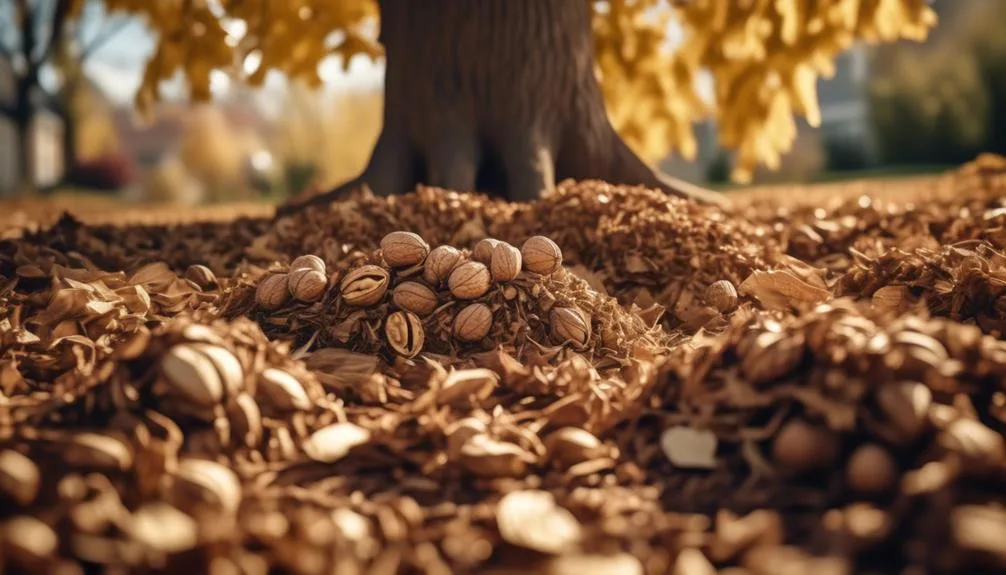
    optimal mulches for walnut trees
    Share
    Facebook Twitter LinkedIn Pinterest Telegram Email

    So, you've just planted a walnut tree and you want to make sure it grows healthy and strong. Mulching can help protect the roots, keep the soil moist, and prevent weeds.

    Contents show
    1 Key Takeaways
    2 Benefits of Mulching for Walnut Trees
    3 Organic Mulch Options for Walnut Trees
    4 Inorganic Mulch Options for Walnut Trees
    5 Best Practices for Mulching Walnut Trees
    6 Maintaining Mulch for Walnut Trees
    7 Conclusion

    But not all mulches are good for walnut trees. There are organic options like wood chips and compost, as well as non-organic choices like plastic and landscape fabric.

    Let's take a look at the different types of mulch to find the best one for your walnut tree's well-being.

    Key Takeaways

    • Mulching is beneficial for walnut trees as it improves soil moisture retention, suppresses weeds, and protects from temperature extremes.
    • Organic mulch options such as compost, wood chips, and shredded leaves contribute to soil health and provide optimal conditions for walnut tree growth.
    • Inorganic mulch options like gravel and stones offer excellent weed control, reduce erosion, and help maintain soil moisture levels.
    • When mulching walnut trees, it is important to apply mulch in a donut-shaped ring away from the trunk, maintain a consistent depth of 2-4 inches, and regularly inspect and replenish mulch to retain soil moisture and suppress weed growth.

    Benefits of Mulching for Walnut Trees

    Mulching your walnut trees provides numerous benefits, including improved soil moisture retention, weed suppression, and protection from temperature extremes.

    By using organic mulches like wood chips or straw, you can significantly improve the growth of your walnut trees. These mulches create a protective layer over the soil, reducing moisture loss through evaporation and preventing soil erosion. This promotes better soil structure, which is essential for the healthy growth of walnut trees.

    MUST READ
    Can Walnut Trees Thrive in Urban Settings

    Additionally, the mulch acts as a barrier, suppressing weed growth that competes with your trees for essential nutrients. Furthermore, it insulates the soil, shielding the roots from temperature fluctuations and extremes.

    Organic Mulch Options for Walnut Trees

    If you're looking to enhance the health and growth of your walnut trees, consider exploring various organic mulch options that can build upon the benefits of mulching discussed earlier.

    Organic mulches like compost, wood chips, and shredded leaves are excellent choices for walnut trees. Compost enriches the soil, promoting soil health by adding essential nutrients and improving its structure.

    Wood chips help in retaining moisture, which is beneficial for walnut trees, as they require consistent moisture for optimal growth. Shredded leaves not only provide nutrients as they break down but also aid in water retention and weed suppression.

    These organic mulch options not only contribute to soil health but also help in water retention, creating a favorable environment for the healthy growth of your walnut trees.

    Recommended Products

    Back to the Roots 25.7qt (1 Cubic ft) Organic Premium Mulch
    Back to the Roots 25.7qt (1 Cubic ft) Organic Premium Mulch

    100% Organic & Peat-Free: Our organix mulch mix is 100% organic & peat-free. Peat is one of Mother Nature’s most important stores of carbon. Instead of imported peat, the base of our soils is made from upcycled plant matter or wood fines from the United States!

    VIEW LATEST PRICE

    As an affiliate, we earn on qualifying purchases.

    Brut Organic Aspen Mulch 10 QT – Natural Moisture Retainer & Root Protector – Odor-Free, Nutrient-Rich Bark Mulch for Landscaping, Garden Beds & Potted Plants
    Brut Organic Aspen Mulch 10 QT – Natural Moisture Retainer & Root Protector – Odor-Free, Nutrient-Rich Bark Mulch for Landscaping, Garden Beds & Potted Plants

    NATURAL GARDEN COVER: Creates a clean, polished garden surface while helping minimize weed growth naturally. This organic mulch also supports healthy soil structure and nutrient balance for thriving plants.

    MUST READ
    Why Do Walnut Trees Have Compound Leaves
    VIEW LATEST PRICE

    As an affiliate, we earn on qualifying purchases.

    Soil Sunrise 100% Natural Pine Bark Mulch Nuggets (12 Quarts) Small Chips for Indoor/Outdoor Container Gardening, Ideal for Soil Supplement, Houseplant Topper, and Terrariums
    Soil Sunrise 100% Natural Pine Bark Mulch Nuggets (12 Quarts) Small Chips for Indoor/Outdoor Container Gardening, Ideal for Soil Supplement, Houseplant Topper, and Terrariums

    BENEFITS: Drainage, enhances appearance, water retention, blocks pesky creatures

    VIEW LATEST PRICE

    As an affiliate, we earn on qualifying purchases.

    Inorganic Mulch Options for Walnut Trees

    Consider using gravel or stones as inorganic mulch options for your walnut trees, as they can help with weed suppression and moisture retention in the soil. Inorganic mulches like gravel and stones offer excellent weed control, preventing unwanted plants from competing with your walnut trees for nutrients and water. These mulches also contribute to soil health by reducing erosion and compaction. The use of inorganic mulch can significantly decrease the need for frequent watering, as it helps to maintain soil moisture levels. Below is a table comparing the pros and cons of using gravel and stones as inorganic mulch options for your walnut trees.

    Mulch TypeProsCons
    GravelExcellent weed control, promotes soil drainageMay retain heat, potential damage to lawnmower blades
    StonesLong-lasting, inhibits weed growthExpensive, difficult to remove

    Using inorganic mulches can be an effective way to maintain the health of your walnut trees while also reducing the effort needed for weed control.

    Best Practices for Mulching Walnut Trees

    To ensure the health and vitality of your walnut trees, implementing proper mulching practices is essential for promoting optimal growth and sustainability. When mulching walnut trees, it's crucial to follow best practices to reap the maximum benefits.

    MUST READ
    Is Leaf Drop Normal for Walnut Trees

    Here are some key aspects to consider:

    • Mulch Application and Depth
    • Apply mulch in a donut-shaped ring, keeping it 3-4 inches away from the tree's trunk.
    • Maintain a consistent mulch depth of 2-4 inches to ensure weed suppression and moisture retention.
    • Replenish mulch annually to maintain the desired depth and maximize its effectiveness.
    • Mulch Material and Type
    • Use organic mulch such as wood chips, bark, or leaves to provide essential nutrients as they decompose.
    • Avoid using black plastic or landscape fabric as they can hinder water and air movement.

    Maintaining Mulch for Walnut Trees

    Maintain the health and vitality of your walnut trees by regularly inspecting and replenishing the mulch to ensure it stays at the optimal depth. Proper mulch application helps in retaining soil moisture levels, suppresses weed growth, and improves overall soil health around walnut trees. Check the mulch depth every few months, especially after heavy rainfall or strong winds, to ensure it remains between 2-4 inches. Here's a simple guide to help you maintain the mulch for your walnut trees:

    Mulch MaintenanceFrequencyDepth
    InspectionEvery 3 months2-4 inches
    ReplenishmentAs needed2-4 inches
    Weed controlAs neededRemove promptly

    Regular maintenance of mulch around your walnut trees will contribute to their well-being and long-term growth.

    Conclusion

    To ensure the health and growth of walnut trees, proper mulching is crucial.

    Organic options like wood chips and straw retain moisture and enrich the soil, while inorganic choices such as plastic or landscape fabric help prevent weeds and conserve water.

    Remember to maintain your mulch by replenishing it as needed and keeping it away from the tree trunk.

    MUST READ
    Can Walnut Trees Be Used for Shade

    This simple practice will support the thriving of your walnut trees for years to come, promoting a healthy and sustainable ecosystem in your garden.

    Share. Facebook Twitter Pinterest LinkedIn Tumblr Email
    lucy smith
    Lucy Smith
    • Website

    Lucy Smith is a highly experienced horticulturist with a passion for fruit tree cultivation. She holds a degree in Horticulture from the University of California, Davis, and has worked in various roles in the industry. With over 10 years of experience, Lucy is dedicated to using eco-friendly methods for sustainable gardening practices.

    Related Posts

    Why Do Walnut Trees Produce Bitter Walnuts

    February 4, 2024

    Can Walnut Trees Adapt to Climate Change

    February 4, 2024

    Creating a Wildlife Habitat With Walnut Trees

    February 4, 2024

    Where Are Walnut Trees Considered Invasive

    February 4, 2024

    Is Walnut Tree Pollen Allergenic

    February 4, 2024

    Can Walnut Trees Be Used in Traditional Remedies

    February 4, 2024
    Leave A Reply Cancel Reply

    Affiliate Disclosure

    As an Amazon Associate I earn from qualifying purchases.

    Recommended Reading

    Can Apricot Trees Grow in Hialeah, FL? (Tropical Growth Guide)

    Best Fruit Trees for Containers in the UK: Expert Tips for Growing Bountiful Harvests

    How Often Do Plum Trees Fruit and What Factors Influence Their Harvesting Cycle

    Do Fruit Trees Need Watering for Optimal Growth and Healthy Fruit Production?

    How Tall is a Nectarine Tree? Exploring Heights Compared to Apple, Peach, Pear, and Cherry Trees

    How to Save Fruit Trees from Frost: Effective Tips for Protecting Your Harvest

    Dormant Oil on Quince Trees: 2026 Manual for Healthy Growth

    How to Prune Fruit Trees First Year: Essential Tips for a Bountiful Harvest

    How To Get Rid Of Ants In Potted Fruit Trees

    What Causes Curl Leaf on Stone Fruit Trees and How to Restore Their Health

    Fruit Tree Hub

    Fruit Tree Hub is a website dedicated to providing you everything you need to grow fruit trees successfully at in your own yard.

    Contact us at: [email protected]

    - AFFILIATE DISCLOSURE: As an Amazon Associate I earn from qualifying purchases.

    Latest Posts

    Pomegranate Trees in a Pot in Ohio (Complete Maintenance Manual)

    Growing Tangerine Trees in a Pot in North Dakota: Winter Survival

    Star Fruit Trees in Wisconsin (Successful Midwestern Growth)

    Lemon Trees in Colorado (High Altitude Success and Care)

    Pomegranate Trees in Chicago, IL (Winter Protection Walkthrough)

    Lemon Trees in El Paso, TX (High Desert Growing Solutions)

    Can Star Fruit Trees Grow in California? 2026 Planting Guide

    Can Nectarine Trees Grow in Utah? High Altitude Soil Tips

    Categories
    • Almond Trees
    • Apple Trees
    • Apricot Trees
    • Best Fruit Trees
    • Blackberry
    • Cantaloupe
    • Cherry Trees
    • Crochet Ideas
    • Crochet Ideas for Beginners
    • Cucamelon
    • Easy Crochet Ideas
    • Easy Knitting Projects
    • Fig Trees
    • Grapefruit Trees
    • Grapes
    • Guava Trees
    • Honeydew
    • Jujube Trees
    • Kiwi
    • Knitting For Beginners
    • Knitting Ideas
    • Knitting Inspiration
    • Lemon Trees
    • Lime Trees
    • Loquat Trees
    • Mango Trees
    • Mulberry Trees
    • Nectarine Trees
    • Olive Trees
    • Orange Trees
    • Papaya Trees
    • Peach Trees
    • Pear Trees
    • Persimmon Trees
    • Planting
    • Plum Trees
    • Pomegranate Trees
    • Quince Trees
    • Raspberry
    • Reviews
    • Small Crochet Ideas
    • Star Fruit Trees
    • Summer Crochet Ideas
    • Tamarind Trees
    • Tangerine Trees
    • Tips and Advice
    • Tools
    • Uncategorized
    • Walnut Trees
    © 2026 Fruit Tree Hub
    • Home
    • About Us
    • Contact
    • Privacy Policy
    • Terms and Conditions
    • Disclaimer
    • Editorial Policy
    • Affiliate Disclosure

    Type above and press Enter to search. Press Esc to cancel.