

Wondering if it’s the right time to prune your fruit trees in October? You’re not alone. Many gardeners face this question as the growing season winds down and the leaves start to fall. Pruning can feel daunting, but it’s essential for the health and productivity of your trees.
Key Takeaways
- Pruning Benefits: Regular pruning enhances fruit tree health, promotes growth, improves fruit quality, and maintains desirable tree shape.
- October Pruning Advantages: Pruning in October allows for better tree health, increased sunlight exposure, improved air circulation, and supports robust spring growth.
- Consider Seasonal Factors: Be mindful of early frost risks and ensure trees are fully dormant to avoid stress and vulnerability to pests.
- Proper Techniques Matter: Use the correct pruning techniques—such as thinning, heading back, and crown reduction—to maximize the benefits of pruning.
- Choose the Right Time and Tools: Aim to prune on dry days above freezing, and utilize appropriate tools (pruning shears, loppers, handsaw) for effective cuts while wearing safety gear.
- Know Your Trees: Different fruit trees may require different pruning schedules; research specific needs to ensure optimal health and productivity.
Understanding Pruning
Pruning is essential for maintaining the health and productivity of fruit trees. It’s a practice that encourages growth, improves fruit quality, and enhances the overall shape of the tree.
Recommended Products

★ 1. What you get: Professional convenient grafting tool set including a dual-use grafting pruner tool contain 2 extra replaceable blades, a wrench and a screwdriver, along with 36pcs wide rubber bands, 150 thick rubber bands and 1 grafting tape, packed in a black wallet to meet all your needs

Pruning Trees Shrubs and Vines No 54 By Gardenway Editors

PROFESSIONAL GARDENING GRAFTING TOOLS: Including 2 in 1 grafting pruning tools, 3 replaceable blades, a grafting knife, a screwdriver, a wrench, 2 grafting films, 160 rubber bands, 40 wide rubber bands, and 50 colorful tag cards
Importance of Pruning Fruit Trees
Pruning offers several key benefits.
- Promotes Health: Removing dead or diseased branches aids in preventing the spread of pests and illnesses.
- Encourages Growth: Removing overcrowded branches allows for better air circulation and sunlight exposure, which fosters healthy growth.
- Improves Fruit Production: Well-pruned trees often yield larger and more abundant fruit, as energy is directed to the remaining branches.
- Shapes the Tree: Pruning helps maintain a desirable shape and structure, making harvesting easier.
Regular pruning helps keep your fruit trees thriving and productive.
Types of Pruning Techniques
Several pruning techniques suit different purposes and trees.
- Thinning: This method involves selectively removing branches to reduce density. It promotes better light penetration and air circulation.
- Heading Back: Shortening branches encourages bushier growth, creating a fuller tree.
- Crown Reduction: This technique reduces the overall size of the tree while maintaining its shape, suitable for larger trees.
- Cleaning: Removing dead, damaged, or diseased branches improves tree health.
Choose the techniques based on the specific needs of your fruit trees to maximize their potential.
Seasonal Considerations
As you approach October, understanding seasonal factors becomes crucial for effective fruit tree pruning. This month marks the transition into dormancy for many trees, impacting how and when you prune.
Recommended Products

[Cut & Hold Pole Pruner for Tree Trimming] This long reach cut and hold pruner makes it easy to grip and remove branches, flowers, or fruit without dropping them. Perfect as a pole fruit picker for harvesting lemons, oranges, apples, or persimmons, and for trimming shrubs and bushes without climbing a ladder.

1:EXTENDABLE REACH FOR LADDER-FREE SAFETY – Acting as both a reliable tree pruner and a fruit picker pole, this tool effortlessly extends from 3.28 to 5.25 FT to reach high branches up to 10 FT from the ground. The innovative rotating and locking head allows for precise angles without unstable ladders or risky stretching, ensuring maximum safety.
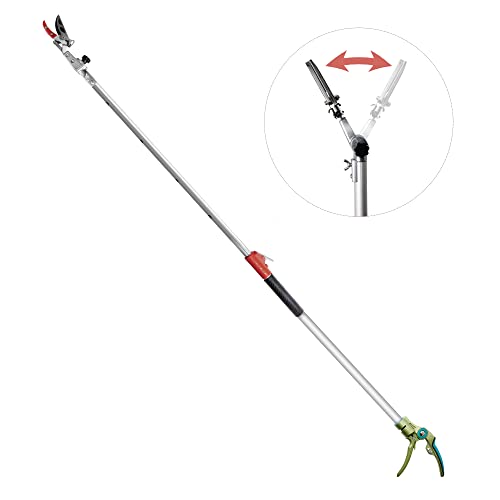
[Helpful Garden Tool] GARTOL brings to you a lightweight and extendable pruning tool to reach out to the least approachable arenas of your garden. You can conveniently get across other plants to remove the fastgrowing brambles and sting nettles without getting scratched or hurt. For gardening lovers, the telescopic pruner cutter head can can be rotated which resolves mobility issues and gives you the pleasure of trimming your garden without bending down or using a ladder to climb and cut them.
Benefits of Pruning in October
Pruning in October provides several advantages.
- Improved Tree Health: Removing dead or diseased wood prevents the spread of pests and pathogens.
- Enhanced Sunlight Exposure: Thinning branches allows more light to reach the interior of the tree, promoting healthier growth.
- Better Air Circulation: Increased airflow reduces humidity around the foliage, decreasing the risk of fungal diseases.
- Shape Maintenance: Pruning helps maintain a balanced shape, which is essential for fruit production in the next growing season.
- Timing Advantage: Pruning before the trees enter dormancy supports strong growth when spring arrives.
Risks of Pruning in October
While October offers benefits, it also carries certain risks.
- Early Frost Damage: Pruning too late in the season can expose fresh cuts to frost. Protect your trees by pruning early.
- Stress on Trees: If trees aren’t fully dormant, pruning can stress them, leading to poor health.
- Increased Vulnerability: Fresh cuts can attract pests or diseases, particularly if pruning occurs in damp weather.
- Improper Techniques: Without knowledge of proper methods, you can inadvertently damage your trees. Use correct pruning techniques, like thinning and heading back, to avoid this.
- Wrong Timing for Specific Varieties: Certain fruit trees, like stone fruits, may require pruning at different times. Research your specific tree types for optimal results.
Consider these factors when planning your pruning in October. Balancing benefits against risks ensures better outcomes for your fruit trees.
Recommended Practices
Pruning fruit trees in October requires careful attention to technique and timing. Following these recommended practices ensures that your trees remain healthy and productive.
Recommended Products

IDEAL BRANCH TRIMMER: 28" Steel blade garden bypass lopper that glides through up to 1.5" thick branches for easy cuts; Works well for trimming tree branches to maintain your yard and garden, and to encourage overall plant health and appearance

LONG-LASTING SHARPNESS: Japanese SK5 bypass blade with titanium coating is tested through 5,000 cuts to maintain a sharp edge and deliver clean, consistent cuts on live stems and branches
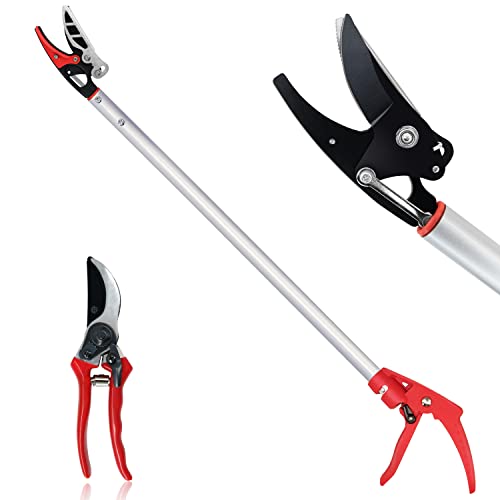
Long Handle Design: 32" handle length of the cut and hold pruners reduces back pain and stress, eliminating the need to bend over for trimming; It can also easily stretches to higher branches or thorns.
How to Properly Prune Fruit Trees
- Assess Tree Health: Before pruning, examine your tree for dead or diseased branches.
- Choose the Right Time: Aim for a dry day when temperatures are above freezing. This reduces fungal infections.
- Focus on Structure: Remove crossing or rubbing branches first. Aim for an open center to promote airflow.
- Modify Shape: Trim back excessive growth to maintain a desirable shape. Use heading cuts for shorter branches.
- Cut at an Angle: Make clean cuts at a 45-degree angle, away from the bud. This helps prevent water accumulation.
- Don’t Over-Prune: Limit removal to 20-30% of the tree’s canopy to avoid shock.
- Pruning Shears: Ideal for small branches and precise cuts. Choose sharp, bypass-type shears.
- Loppers: Use these for larger branches up to 1.5 inches thick. Opt for lightweight models for easier handling.
- Handsaw: A fine-toothed saw works best for branches over 1.5 inches.
- Safety Gear: Wear gloves to protect your hands and goggles to shield your eyes from debris.
- Ladder: Use a sturdy ladder for high branches. Ensure it’s stable before climbing.
Using the right techniques and tools makes a significant difference in the success of your fruit tree pruning.
Alternative Pruning Schedules
Pruning schedules can vary based on tree types and specific needs. Understanding these schedules helps ensure optimal tree health and productivity.
Winter vs. Fall Pruning
Winter pruning involves cutting trees while they’re dormant, generally between late December and early March. In winter, trees focus energy on root development, making it a good time to prune. You can easily see the tree structure without leaves, allowing for better planning of cuts. This practice encourages robust growth in spring.
Fall pruning occurs in October and November, just before dormancy sets in. While it’s beneficial to clear dead or diseased wood during this time, excessive pruning can stress trees, especially if they’re not fully dormant. Consider the climate; if frost threatens, wait for winter to avoid damage.
Signs to Prune Year-Round
Certain signs indicate it’s time to prune regardless of the season. If you notice dead or damaged branches, immediate pruning promotes health. Also, if branches cross or rub against each other, it’s best to cut them. Look for oversized trees with excessive growth; these benefit from summer pruning for shape maintenance.
When branches show disease signs, such as discoloration or oozing sap, prune promptly to prevent spreading. Signs of heavy fruit load may signal the need for thinning, allowing better air circulation and sunlight exposure. Always assess your trees to decide on necessary cuts.
Conclusion
Pruning your fruit trees in October can be a rewarding task when done thoughtfully. By understanding the right techniques and timing you can enhance your trees’ health and prepare them for a bountiful spring. Just remember to assess your trees carefully and choose dry days for pruning to minimize stress.
Keep an eye on the weather and be mindful of your specific tree varieties. With a little patience and care you’ll set the stage for vibrant growth and delicious fruit in the seasons to come. Happy pruning!
Frequently Asked Questions
When is the best time to prune fruit trees?
Pruning fruit trees is ideally done in late winter or early spring while the tree is dormant. However, October can also be a suitable time if done carefully, as it allows for shape maintenance and improved health before winter.
What are the benefits of pruning in October?
Pruning in October promotes better air circulation, enhances sunlight exposure, and supports overall tree health. It prepares the tree for strong growth in spring and helps maintain an appealing shape.
What are the risks of pruning too early?
Pruning prematurely can subject trees to stress if they are not fully dormant, exposing them to frost damage and increasing vulnerability to pests and diseases.
What pruning techniques should I use?
Common pruning techniques include thinning, heading back, and crown reduction. Choose the method based on the specific needs of your fruit trees to maximize growth and fruit quality.
How much can I prune off my fruit trees?
It’s recommended to remove no more than 20-30% of the canopy when pruning. Over-pruning can harm the tree’s health and its ability to produce fruit.
What tools do I need for effective pruning?
Essential tools for pruning include pruning shears, loppers, and handsaws. Always ensure you have safety gear and a stable ladder for higher branches.
How do I know if my tree is ready to be pruned?
Look for signs like dead or damaged branches, crossing branches, or indications of disease. Prune promptly to maintain tree health and encourage growth.
Can I prune fruit trees at any other time of the year?
Yes, pruning can be done during different seasons based on tree type and specific needs. Each timing has its advantages, such as better visibility during winter pruning.
