Close Menu
    Fruit Tree Hub
    • Home
    • Apple Trees
    • Lemon Trees
    • Mango Trees
    • Orange Trees
    • More Trees
      • Best Fruit Trees
      • Apricot Trees
      • Cherry Trees
      • Fig Trees
      • Lime Trees
      • Mulberry Trees
      • Peach Trees
      • Pear Trees
      • Plum Trees
      • Pomegranate Trees
    • Tips and Advice
      • Tools
    • About Us
      • Contact
      • Privacy Policy
    Fruit Tree Hub
    Home»Planting»Persimmon Trees in North Carolina: Piedmont Regional Advice
    Planting

    Persimmon Trees in North Carolina: Piedmont Regional Advice

    Lucy SmithBy Lucy SmithMarch 17, 20265 Mins Read
    Share Facebook Twitter Pinterest WhatsApp Email
    Share
    Facebook Twitter LinkedIn Pinterest Telegram Email

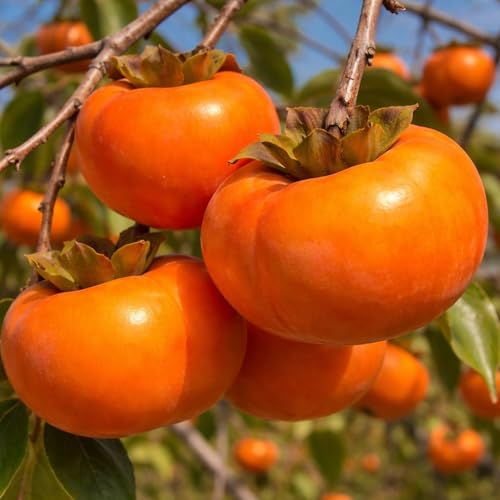
    Persimmon trees thrive in North Carolina’s Piedmont region, offering a fruitful addition to local gardens. Proper care and understanding of their specific needs ensure a successful harvest. This guide provides essential advice on growing and maintaining persimmon trees in this area.

    Contents show
    1 Piedmont Persimmon Tree Varieties Explained
    2 Soil Preparation for Healthy Persimmons
    3 Create a Planting Plan for Success
    4 Maintain Watering and Fertilization Schedule
    5 Pest Management Strategies for Persimmons
    6 Persimmon Harvest Timing and Storage Tips
    7 Persimmon Care Comparison Table

    Piedmont Persimmon Tree Varieties Explained

    In the Piedmont region of North Carolina, persimmon trees thrive, offering a variety of options for both novice and experienced gardeners. Understanding the specific types of persimmon trees suitable for this area can enhance your landscaping and fruit production. This section delves into the distinct varieties that flourish in the Piedmont, highlighting their unique characteristics and benefits.

    Persimmons come in two main varieties: American and Asian. American persimmons are native to the southeastern United States and are known for their hardiness. Asian persimmons, while sweeter, may require more care.

    • American Persimmons:

    • Hardy in USDA zones 4-9

    • Smaller fruit, but more resilient to pests

    • Asian Persimmons:

    • Hardy in USDA zones 7-10

    • Larger, sweeter fruit but less cold-tolerant

    Choosing the right variety is crucial for success in the Piedmont region. Local climate and soil conditions will influence which type will thrive best.

    Soil Preparation for Healthy Persimmons

    Preparing the soil is crucial for cultivating healthy persimmon trees in North Carolina’s Piedmont region. The right soil conditions not only promote robust growth but also enhance fruit quality. Understanding the specific requirements for soil composition and preparation will set the foundation for a successful persimmon orchard.

    MUST READ
    Growing Apple Trees in New York City, NY: Urban Backyard Tips

    Soil preparation is vital for healthy persimmon trees. They prefer well-drained, sandy loam soil rich in organic matter. Conduct a soil test to determine pH and nutrient levels.

    • Ideal pH: 6.0 to 7.5

    • Amend soil with compost or aged manure to improve fertility

    • Ensure good drainage to prevent root rot

    Proper soil preparation will lead to stronger root systems and healthier trees.

    Create a Planting Plan for Success

    Creating a successful planting plan for persimmon trees in North Carolina’s Piedmont region involves careful consideration of local climate, soil conditions, and tree varieties. This section will guide you through the essential steps to ensure optimal growth and fruit production, tailored specifically to the unique characteristics of this area.

    When planting persimmons, timing and spacing are essential. The best time to plant is in early spring after the last frost.

    • Spacing:

    • American persimmons: 20-30 feet apart

    • Asian persimmons: 15-20 feet apart

    Follow these steps for planting:

    1. Select a sunny location with at least 6 hours of sunlight daily.

    2. Dig a hole twice the width of the root ball and the same depth.

    3. Place the tree in the hole, ensuring the root collar is level with the ground.

    4. Backfill with soil, gently packing it around the roots.

    5. Water thoroughly to eliminate air pockets.

    A well-structured planting plan will promote healthy growth and fruit production.

    Recommended Products

    Perfect Plants Fuyu Asian Persimmon Tree Live Plant, Produces Fruit, 3-4 ft, Self-Pollinating
    Perfect Plants Fuyu Asian Persimmon Tree Live Plant, Produces Fruit, 3-4 ft, Self-Pollinating

    The Fuyu Persimmon is a non-astringent, sweet, delicious treat

    VIEW LATEST PRICE

    As an affiliate, we earn on qualifying purchases.

    5 American Persimmon Trees - 6-15" Tall Live Plants
    5 American Persimmon Trees - 6-15" Tall Live Plants

    For sale are 5 American Persimmon trees that are approximately 6-15" tall

    MUST READ
    Apple Trees in Alabama: Success Tips for Southern Climates
    VIEW LATEST PRICE

    As an affiliate, we earn on qualifying purchases.

    2 Live American Persimmon Trees – Bare Root Dormant Seedlings 1–2 Ft Tall – Diospyros Virginiana Fruit Trees for Planting – Hardy Outdoor Garden Fruit Plants
    2 Live American Persimmon Trees – Bare Root Dormant Seedlings 1–2 Ft Tall – Diospyros Virginiana Fruit Trees for Planting – Hardy Outdoor Garden Fruit Plants

    🍊 Includes 2 Live Persimmon Trees: You will receive two healthy bare root American persimmon seedlings, each approximately 1–2 feet tall and ready for planting.

    VIEW LATEST PRICE

    As an affiliate, we earn on qualifying purchases.

    Maintain Watering and Fertilization Schedule

    Proper watering and fertilization are crucial for the health of persimmon trees in North Carolina’s Piedmont region. Understanding the specific needs of these trees will help ensure optimal growth and fruit production. This section outlines effective strategies for maintaining a consistent watering and fertilization schedule tailored to the local climate and soil conditions.

    Consistent watering and appropriate fertilization are key to thriving persimmon trees. Newly planted trees require more attention.

    • Watering:

    • Water deeply once a week during dry spells

    • Reduce frequency after the first year

    • Fertilization:

    • Use a balanced fertilizer in early spring

    • Apply compost annually to enrich soil

    Following a regular schedule will ensure trees receive adequate moisture and nutrients.

    Recommended Products

    TreeHelp Premium Fertilizer for Persimmon
    TreeHelp Premium Fertilizer for Persimmon

    Not Available for Sell in WA, USA

    VIEW LATEST PRICE

    As an affiliate, we earn on qualifying purchases.

    Down To Earth All Natural Fertilizers Organic Fruit Tree - Plant Food for Apples, Pears, Plums and Tropical Fruit Trees 6-2-4, 5 lb
    Down To Earth All Natural Fertilizers Organic Fruit Tree - Plant Food for Apples, Pears, Plums and Tropical Fruit Trees 6-2-4, 5 lb

    Down to Earth Fruit Tree is a five pound box of all natural fertilizer with 6-2-4 formula and is listed by the Organic Materials Review Institute (OMRI) for use in organic production

    MUST READ
    Growing Apple Trees in Nashville, TN (Middle Tennessee Advice)
    VIEW LATEST PRICE

    As an affiliate, we earn on qualifying purchases.

    Dr. Earth 70656 1 lb 5-5-2 MINIS Natural Wonder Fruit Tree Fertilizer
    Dr. Earth 70656 1 lb 5-5-2 MINIS Natural Wonder Fruit Tree Fertilizer

    100% organic & natural hand crafted blend

    VIEW LATEST PRICE

    As an affiliate, we earn on qualifying purchases.

    Pest Management Strategies for Persimmons

    Managing pests effectively is crucial for the health and productivity of persimmon trees in North Carolina’s Piedmont region. This section outlines practical strategies tailored to local conditions, helping growers protect their trees from common pests while promoting sustainable practices. Implementing these methods can enhance fruit quality and yield, ensuring a successful harvest.

    Pest and disease management is crucial for persimmon health. Common pests include aphids and spider mites.

    • Preventive Measures:

    • Inspect trees regularly for signs of pests

    • Use insecticidal soap if infestations occur

    Diseases such as leaf spot and root rot can also affect trees.

    • Disease Management:

    • Ensure good air circulation by pruning

    • Avoid overhead watering to reduce humidity around leaves

    Regular monitoring and timely interventions can prevent significant damage.

    Persimmon Harvest Timing and Storage Tips

    Understanding the optimal timing for harvesting persimmons in North Carolina’s Piedmont region is crucial for ensuring the best flavor and quality. This section provides practical advice on when to pick these fruits and how to store them effectively, helping you maximize your harvest and enjoy their unique taste throughout the season.

    Knowing when to harvest is essential for enjoying the best flavor. Persimmons are typically ready for harvest in the fall, depending on the variety.

    • Signs of Ripeness:

    • American persimmons: Soft and fully colored

    • Asian persimmons: Firm and orange

    MUST READ
    Apple Trees in Long Beach, CA: Coastal Salt-Tolerant Tips

    To store persimmons:

    1. Refrigerate unwashed fruit for up to two weeks.

    2. Freeze slices for long-term storage.

    Proper harvesting and storage will maximize the enjoyment of your persimmons.

    Persimmon Care Comparison Table

    Understanding the specific care requirements for persimmon trees in North Carolina’s Piedmont region is essential for successful cultivation. The following comparison table provides a detailed look at various care practices, helping both novice and experienced growers make informed decisions to ensure healthy and productive trees.

    AspectAmerican PersimmonsAsian Persimmons
    Hardiness Zone4-97-10
    Fruit SizeSmallLarge
    Watering FrequencyWeeklyWeekly
    Fertilization TimingEarly SpringEarly Spring

    Regular attention to these aspects will enhance your experience with persimmon trees in North Carolina’s Piedmont region.

    Share. Facebook Twitter Pinterest LinkedIn Tumblr Email
    lucy smith
    Lucy Smith
    • Website

    Lucy Smith is a highly experienced horticulturist with a passion for fruit tree cultivation. She holds a degree in Horticulture from the University of California, Davis, and has worked in various roles in the industry. With over 10 years of experience, Lucy is dedicated to using eco-friendly methods for sustainable gardening practices.

    Related Posts

    Can Olive Trees Grow in New Jersey? Garden State Growth Tips

    July 11, 2026

    Can Star Fruit Trees Grow in Missouri? Expert Variety Guide

    July 10, 2026

    How to Grow Jujube Trees in Las Vegas, NV: Desert Growth

    July 10, 2026

    Mango Trees in Illinois: Indoor and Greenhouse Growth Secrets

    July 10, 2026

    Growing Papaya Trees in Oklahoma: High Heat Resilience

    July 10, 2026

    Tamarind Trees in a Pot in Ohio (Complete Maintenance Manual)

    July 10, 2026
    Leave A Reply Cancel Reply

    Affiliate Disclosure

    As an Amazon Associate I earn from qualifying purchases.

    Recommended Reading

    Growing Kiwi in the Caribbean: Tips on Soil, Climate, and Success Stories

    How to Save Fruit Trees from Freeze: Effective Tips for Protection and Recovery

    What Fruit Trees Grow Well in Ohio: Essential Guide for Your Backyard Orchard

    Growing Tamarind Trees in a Pot in West Virginia: Expert Tips

    How Far Apart Should Pomegranate Trees Be Planted

    Do Fruit Trees Bear Fruit Every Year: Key Factors Affecting Your Harvest Success

    Ultimate Guide: Assemble Pruner with Internal Spring for Smooth Gardening

    How to Make Your Fig Tree Bear Fruit: Essential Tips for a Bountiful Harvest

    When Do Celeste Fig Trees Bear Fruit: A Guide to Timing and Growing Tips

    How to Care for Longan Fruit Trees: Essential Tips for Healthy Growth and Delicious Harvests

    Fruit Tree Hub

    Fruit Tree Hub is a website dedicated to providing you everything you need to grow fruit trees successfully at in your own yard.

    Contact us at: [email protected]

    - AFFILIATE DISCLOSURE: As an Amazon Associate I earn from qualifying purchases.

    Latest Posts

    Can Olive Trees Grow in New Jersey? Garden State Growth Tips

    Can Star Fruit Trees Grow in Missouri? Expert Variety Guide

    How to Grow Jujube Trees in Las Vegas, NV: Desert Growth

    Mango Trees in Illinois: Indoor and Greenhouse Growth Secrets

    Growing Papaya Trees in Oklahoma: High Heat Resilience

    Tamarind Trees in a Pot in Ohio (Complete Maintenance Manual)

    Can Fig Trees Grow in Long Beach, CA? Coastal Salt Tips

    Plum Trees in District of Columbia (Urban Microclimate Tips)

    Categories
    • Almond Trees
    • Apple Trees
    • Apricot Trees
    • Best Fruit Trees
    • Blackberry
    • Cantaloupe
    • Cherry Trees
    • Crochet Ideas
    • Crochet Ideas for Beginners
    • Cucamelon
    • Easy Crochet Ideas
    • Easy Knitting Projects
    • Fig Trees
    • Grapefruit Trees
    • Grapes
    • Guava Trees
    • Honeydew
    • Jujube Trees
    • Kiwi
    • Knitting For Beginners
    • Knitting Ideas
    • Knitting Inspiration
    • Lemon Trees
    • Lime Trees
    • Loquat Trees
    • Mango Trees
    • Mulberry Trees
    • Nectarine Trees
    • Olive Trees
    • Orange Trees
    • Papaya Trees
    • Peach Trees
    • Pear Trees
    • Persimmon Trees
    • Planting
    • Plum Trees
    • Pomegranate Trees
    • Quince Trees
    • Raspberry
    • Reviews
    • Small Crochet Ideas
    • Star Fruit Trees
    • Summer Crochet Ideas
    • Tamarind Trees
    • Tangerine Trees
    • Tips and Advice
    • Tools
    • Uncategorized
    • Walnut Trees
    © 2026 Fruit Tree Hub
    • Home
    • About Us
    • Contact
    • Privacy Policy
    • Terms and Conditions
    • Disclaimer
    • Editorial Policy
    • Affiliate Disclosure

    Type above and press Enter to search. Press Esc to cancel.