

Mango trees can survive in Chicago’s urban environment with proper care and winter protection. Utilizing techniques such as container gardening and insulation can help these tropical trees endure the harsh winter freeze.
Mango Tree Cold Tolerance in Chicago
Mango trees thrive in USDA hardiness zones 10-11, making them challenging to grow in Chicago, which falls under zones 5b-6a. Understanding the limitations of your local climate is crucial for successful cultivation. While mango trees can tolerate brief periods of cold, extended exposure to freezing temperatures can be detrimental.
| Hardiness Zone | Average Minimum Temperature |
|---|---|
| 5b | -15 to -10°F |
| 6a | -10 to -5°F |
| 10 | 30 to 40°F |
| 11 | 40°F and above |
Mango Tree Varieties for Cold Climates
Mango trees are typically associated with tropical climates, but certain varieties can adapt to colder conditions, making them viable for urban gardeners in Chicago. Understanding which mango tree varieties thrive in these challenging environments is essential for successful cultivation, especially during the harsh winter months. This section explores the best options for those looking to grow mangoes in a cold climate.
Choosing the right variety of mango tree can significantly impact its survival in colder climates. Some varieties are more resilient to cooler temperatures. Researching and selecting a cultivar suited for container growth can enhance your chances of success.
Nam Doc Mai: Known for its sweet flavor and adaptability.
Haden: Offers disease resistance and good cold tolerance.
Kent: Produces large fruits and can handle cooler conditions.
Container Strategies for Urban Mango Trees
Growing mango trees in Chicago presents unique challenges, particularly during the harsh winter months. Utilizing effective container strategies can help urban gardeners protect these tropical plants from freezing temperatures while maximizing their growth potential. This section explores practical approaches to successfully cultivate mango trees in an urban environment.
Container gardening allows for greater control over environmental conditions. By planting mango trees in large containers, you can move them indoors during the cold months. This method also facilitates better drainage and soil management.
Choose a large container: Select a pot with a minimum diameter of 18 inches.
Use well-draining soil: A mix of potting soil and sand can improve drainage.
Water appropriately: Ensure the soil remains moist but not waterlogged.
Recommended Products

CITRUS PLANT FOOD: This avacado, mango and citrus fruit tree fertilizer feeds plants for up to 3 months and nourishes above and below the soil

This wooden keepsake box features a beautiful Tree of Life Engraving With Flame Work painted finish to give a vintage feel

Live mango tree plant approximately 2-3 feet tall in a 3 gallon pot, ready for planting in outdoor gardens, patios, or containers in warm climates.
Winter Insulation Techniques for Mango Trees
Mango trees, typically thriving in warmer climates, face unique challenges during Chicago’s harsh winters. To help these tropical plants survive the urban freeze, various insulation techniques can be employed. Understanding and implementing these methods is crucial for protecting mango trees from extreme cold and ensuring their health and vitality through the winter months.
Proper insulation techniques can help protect mango trees from freezing temperatures. Insulating the tree and its container can prevent root damage and ensure survival through the winter.
Wrap the container: Use burlap or bubble wrap to insulate the pot.
Cover the tree: Use frost cloths or blankets to cover the foliage during cold snaps.
Mulch the base: Apply a thick layer of mulch around the base of the tree to retain soil warmth.
Recommended Products

The Large plant cover is perfect for Plant size 55''-70"high and 84''-94" round, Heavy-weight FRCs (1.77oz./sq. yard): usually used to extend the growing season in spring and fall, allow 40%-60% light transmittance, and recommend 3°-8°F of freeze protection

BETTER SOLUTION FOR DOING ORGANIC GARDENING:If you are doing organic gardening, or just want to reduce pesticide use, Remiawy shrub winter covers are the better choice for you. Reusable season after season,this quality winter shrub cover is made from tear-proof and breathable fabric. The material allows air and moisture to reach plants. Remiawy plant covers for animal protection will help protect branches buds and fruits from hungry deer,rabbits,worms and birds

Revolutionary Anti-freeze Protection: Plant covers freeze protection is made of 100% Reliable non-woven thickened polypropylene fabric Because the frost cloth fabric Thickness is 3.2 oz/yd² thicker and warmer, tear resistant than less expensive 1.3 oz/yd² fabric. Provides up to 2° F(-17℃) frost protection. In winter, frost blankets for outdoor plants can form a insulation layer for plants to isolate cold air and retain the oxygen required for plant respiration
Temperature and Humidity Tracking for Mango Trees
Understanding the temperature and humidity conditions in Chicago is essential for the successful cultivation of mango trees in this urban environment. By closely monitoring these factors, gardeners can better prepare for the challenges posed by harsh winters, ensuring their mango trees thrive despite the cold. This section delves into the critical data needed for effective tracking and management.
Keeping track of temperature and humidity is essential for the health of mango trees in Chicago. Fluctuations can stress the tree, making it more susceptible to disease and cold damage.
Use a thermometer: Monitor outdoor temperatures regularly.
Maintain humidity: Consider using a humidifier indoors if the tree is brought inside.
Nutrient Strategies for Winter-Ready Mango Trees
To ensure mango trees thrive through Chicago’s harsh winter months, it’s essential to adopt effective nutrient strategies. These approaches not only bolster the trees’ resilience against freezing temperatures but also support their overall health and growth. Understanding the right nutrients can make a significant difference in their survival and future fruit production.
Regular fertilization can enhance the resilience of mango trees against cold stress. Providing the right nutrients helps the tree build strength before winter.
Use a balanced fertilizer: Apply a slow-release fertilizer every 6-8 weeks during the growing season.
Monitor soil pH: Aim for a pH between 5.5 and 7.5 for optimal nutrient uptake.
Urban Pest Control for Mango Trees
Urban pest control is essential for maintaining the health of mango trees in Chicago’s unique climate. The challenges posed by pests can be exacerbated by the stresses of urban living, particularly during the harsh winter months. Understanding effective pest management strategies will help ensure these tropical trees thrive despite the cold.
Urban environments can introduce various pests and diseases that threaten mango trees. Regular monitoring and proactive measures are essential for maintaining tree health.
Inspect regularly: Check leaves and branches for signs of pests.
Use organic pesticides: Neem oil can effectively manage common pests without harming beneficial insects.
Recommended Products

Protect your oasis with Captain Jack’s Neem Max Ready-to-Use Spray; this multipurpose product acts as a 4-in-1 insecticide, fungicide, miticide and nematicide
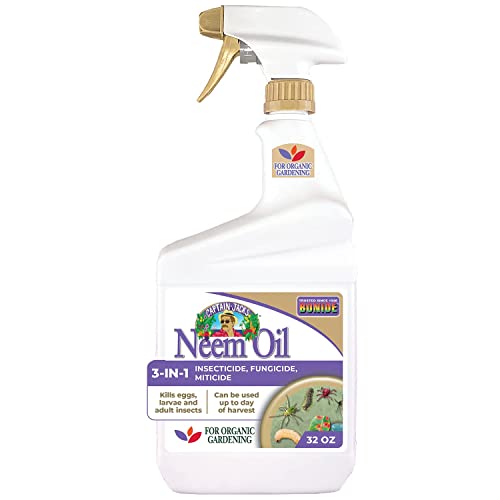
Protect your oasis with 3 garden products in 1 from Captain Jack’s; Bonide Captain Jack’s Ready-to-Use Neem Oil spray for plants is a multi-purpose fungicide, insecticide and miticide for your lawn & garden

FUNGAL DISEASE CONTROL: Prevents and controls black spot on roses, powdery mildew, rust, downy mildew, and other listed fungal diseases when applied on a 7–14 day schedule
Spring Preparation for Mango Trees
As winter fades and temperatures begin to rise in Chicago, it’s crucial to prepare mango trees for the upcoming spring season. Proper care and attention during this transitional period can significantly enhance their resilience and growth potential. Understanding the specific needs of mango trees in an urban environment will help ensure they thrive as warmer weather approaches.
As winter ends, preparing mango trees for the growing season is critical. Transitioning the tree back outdoors requires careful planning.
Gradual exposure: Slowly acclimate the tree to outdoor conditions over a week.
Prune dead or damaged branches: This encourages new growth and improves air circulation.
Resume regular watering and fertilization: This supports healthy spring growth.
Mango trees can thrive in Chicago with the right care and winter protection strategies. Implementing these practices will enhance your chances of successfully growing mango trees in an urban environment.
