

Ever wondered why your fruit trees aren’t producing as much as you’d like? You’re not alone. Many gardeners face challenges with pests and diseases that can rob your trees of their bounty. Knowing when and how to spray your trees can make all the difference in protecting your precious fruit.
This article will guide you through the best practices for spraying fruit trees, ensuring you get the most out of your harvest. You’ll learn about the right timing and techniques that can help keep your trees healthy and thriving. With a little knowledge, you can enjoy a fruitful season and savor the rewards of your hard work.
Key Takeaways
- Importance of Spraying: Regular spraying protects fruit trees from pests and diseases, leading to healthier trees and better fruit yields.
- Timing Matters: Spray during bud break in spring, monitor throughout summer, and apply dormant oil in fall to ensure effective pest and disease control.
- Weather Considerations: Ideal spraying conditions include calm, cool days. Avoid rain and wind to maximize the effectiveness of treatments.
- Effective Techniques: Use proper equipment, follow application guidelines, and ensure thorough coverage of leaves and trunks for optimal results.
- Safety First: Always wear recommended personal protective equipment (PPE) and consider environmental impacts to protect beneficial species during spraying.
Understanding Fruit Tree Spraying
Spraying fruit trees protects them from pests and diseases, enhancing fruit production. Knowing the right methods and timing is essential for success.
Recommended Products

Control diseases and insects in your garden with Captain Jack’s Fruit Tree Spray Concentrate! Use on a variety of listed fruits, nuts and citrus plants.

Control diseases and insects in your garden with Captain Jack’s Fruit Tree Spray Concentrate! Use on a variety of listed fruits, nuts and citrus plants.

TRIPLE PROTECTION FORMULA: 3-in-1 solution kills listed insects, controls listed diseases, and controls listed mites with one easy application
Importance of Spraying
Spraying fruit trees prevents infestations and minimizes disease spread. Healthy trees produce better yields. Addressing issues early reduces potential damage and saves you time and effort later. Regular spraying also promotes the overall health of the tree and improves fruit quality.
Common Pests and Diseases
Common pests include:
- Aphids: Small, soft-bodied insects that weaken trees by sucking sap, often leading to stunted growth.
- Spider Mites: Tiny arachnids that cause leaf discoloration and webbing, harming the tree’s health.
- Kodama’s Apple Maggot: Larvae burrow into fruit, causing rot and making them inedible.
Common diseases include:
- Powdery Mildew: A fungal disease creating a white powdery coating on leaves, reducing photosynthesis.
- Fire Blight: A bacterial infection that causes blackening and wilting of blossoms and shoots.
- Crown Gall: Bacterial growth that forms galls on roots and stems, disrupting nutrient flow.
Identifying these threats early allows for effective treatment. Prompt action protects your trees and your harvest.
Timing for Spraying Fruit Trees
Timing your sprays is vital for effective pest and disease control on fruit trees. Understanding when to spray ensures maximum protection for your trees and better fruit yields.
Recommended Products
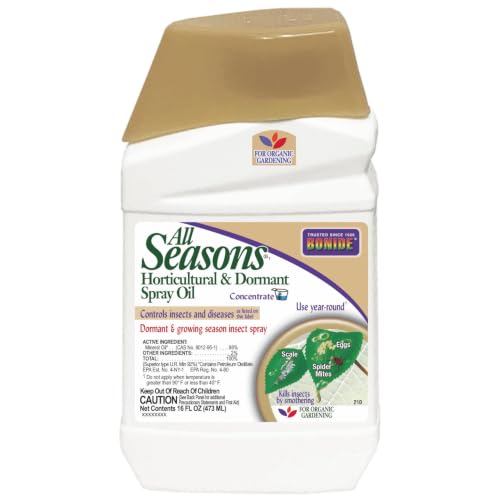
Control insects & diseases in your home garden with All Seasons Horticultural & Dormant Spray Oil Concentrate; use year-round to control listed insects and diseases

USE YEAR ROUND - Our 3-in-1 product provides year-round protection against insects, mites, and diseases. Can be used at the dormant stage, green tip stage, delayed dormant stage, and during the growing season to prevent pest infestations and disease.
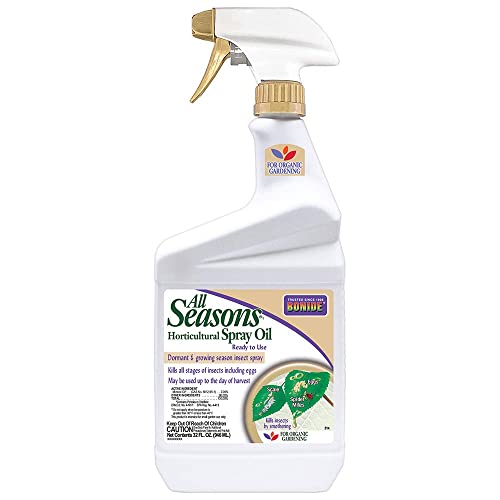
Control insects and diseases in your home garden with All Seasons Horticultural and Dormant Spray Oil Concentrate; use year-round to control listed insects and diseases
Seasonal Considerations
Spring marks the beginning of the growing season and is the prime time for preventive treatments. Spray your trees during bud break for best results against early pests and diseases. As blooms appear, monitor for specific threats, such as aphids and powdery mildew. Summer requires ongoing vigilance. You might need to spray every 10 to 14 days to combat newly emerging pests and diseases. Fall presents a different opportunity; consider applying a dormant oil spray after leaf drop to eliminate any lingering pests preparing for winter.
Weather Conditions
Weather plays a crucial role in the effectiveness of your sprays. Aim to spray on calm days, avoiding windy conditions that can cause drift. Early mornings or late afternoons are ideal, as temperatures are cooler and beneficial insects are less active. If rain is in the forecast, wait until at least 24 hours after a rain event for the spray to dry before applying. High humidity can increase the risk of fungicide failure, so pick days with moderate humidity levels for best results.
Techniques for Spraying
Spraying fruit trees effectively requires the right equipment and application methods. This ensures better protection against pests and diseases.
Recommended Products
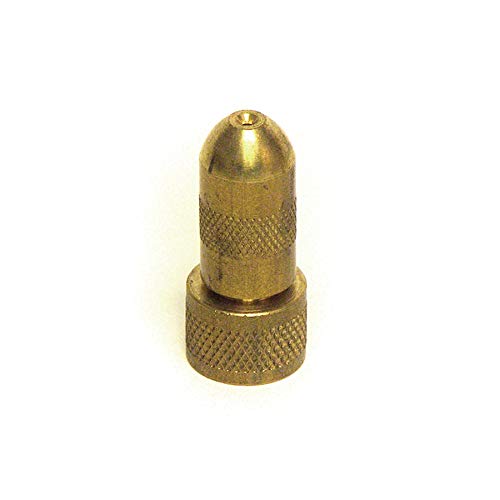
ADJUSTABLE BRASS CONE NOZZLE: spray a coarse stream to funnel shower depending on the application and chemical you’re spraying

Sturdy Stainless Steel: The sprayer wand boasts a stainless steel rod body that ensures stable performance and extended service life, even under harsh conditions

Adopt G3/8 DN10 thread connection, detachable handle and spray head, easy to install and carry.
Equipment Needed
- Sprayer: Choose a sprayer suitable for your tree size—handheld for small trees, backpack or tractor-mounted for larger orchards.
- Protective Gear: Wear gloves, goggles, and masks to shield yourself from chemicals. Safety ensures a worry-free spraying process.
- Measuring Tools: Use accurate measuring cups for mixing pesticides or fungicides. Precision guarantees the correct dilution.
- Nozzles: Opt for adjustable nozzles to control droplet size and coverage. Smaller droplets penetrate foliage better, reaching pests hiding within.
- Water Source: Ensure access to clean water for mixing and rinsing equipment post-application. Proper cleanliness prevents chemical contamination.
- Timing: Spray in the early morning or late evening when temperatures are cooler. This prevents evaporation and maximizes effectiveness.
- Weather Conditions: Avoid spraying before rain or on windy days. Wind can carry droplets off-target, reducing efficacy; rain can wash away treatments.
- Coverage: Spray thoroughly to saturate both sides of leaves and the base of trunks. Effective coverage targets pests and prevents disease spread.
- Technique: Use a sweeping motion while applying. Maintain consistent pressure and distance from the tree to ensure even application.
- Follow Label Directions: Adhere strictly to pesticide labels for mixing rates, application intervals, and safety guidelines. Compliance ensures optimal results and safety.
Utilizing the right tools and techniques makes spraying fruit trees an efficient way to maintain their health. Proper practice creates a protective barrier and promotes a healthy harvest season.
Safety Precautions
Ensuring safety while spraying fruit trees is essential for both you and the environment. Taking appropriate precautions avoids health risks and minimizes negative impacts on surrounding ecosystems.
Personal Protective Equipment (PPE)
Using personal protective equipment (PPE) is crucial when handling chemicals. Equip yourself with the following:
- Gloves: Use chemical-resistant gloves to protect your hands.
- Mask: Wear a respirator mask, especially during sprays that release vapors.
- Goggles: Protect your eyes from splashes or drift with safety goggles.
- Coveralls: Choose long-sleeved clothing and long pants to shield your skin.
Always check the pesticide label for specific recommendations on PPE. Choose the right gear to ensure safety during application and prevent exposure.
Environmental Considerations
Considering the environment during sprays helps preserve beneficial organisms and ecosystems. Follow these guidelines:
- Timing: Avoid spraying on windy days to prevent drift onto non-target plants.
- Weather Conditions: Choose calm days for application. Spraying before rain can wash away chemicals, reducing their effectiveness.
- Buffer Zones: Maintain a buffer zone of untreated plants near water sources, such as ponds or streams, to protect aquatic life.
- Beneficial Insects: Avoid spraying during blooming periods to protect pollinators. Target treatments in the late evening or early morning to minimize harm.
Pay close attention to these considerations to safeguard your surroundings while ensuring the health of your fruit trees.
Conclusion
Taking care of your fruit trees doesn’t have to be overwhelming. By knowing when and how to spray you can effectively protect your trees from pests and diseases. Remember to stay vigilant throughout the growing season and adjust your spraying schedule based on what you observe.
Using the right techniques and equipment is key to ensuring your trees thrive and produce a bountiful harvest.
Don’t forget to prioritize safety for both yourself and the environment. With a little effort and attention to detail you’ll be well on your way to enjoying delicious fruits straight from your garden. Happy gardening!
Frequently Asked Questions
What are the common pests that affect fruit trees?
Common pests include aphids, spider mites, and Kodama’s apple maggot. These pests can damage fruit trees by feeding on leaves, causing reduced yields and potential disease spread. Early identification and treatment are key to protecting your trees.
When is the best time to spray fruit trees?
Spring is the prime time for spraying, especially during bud break. Continuous vigilance is advised in summer, with sprays every 10 to 14 days. Applying dormant oil sprays in the fall after leaf drop is also beneficial for tree health.
How can I improve the effectiveness of spraying?
To maximize effectiveness, spray on calm days, ideally in the early morning or late evening. Consider temperature and humidity levels, and avoid spraying before rain or on windy days to ensure better coverage and impact.
What equipment do I need to spray fruit trees?
You’ll need appropriate sprayers based on your tree size, accurate measuring tools for pesticides, and personal protective equipment (PPE) such as gloves, masks, goggles, and long sleeves to ensure safety during application.
What safety precautions should I take while spraying fruit trees?
Always wear PPE to prevent chemical exposure, and choose calm weather to avoid drift. Maintain buffer zones near water sources and protect beneficial insects by avoiding sprays during blooming periods to minimize environmental impact.
