

Do you ever wonder what kind of climate is ideal for growing delicious kiwi fruit in your own backyard? Picture yourself savoring a sweet and tangy kiwi straight from the vine, basking in the satisfaction of nurturing your own fruit. Imagine the joy of plucking ripe kiwis off the vine, knowing you’ve provided the perfect environment for them to thrive.
In this article, you’ll discover the secrets behind the climate requirements for growing lush kiwi fruit. By understanding the specific conditions needed for kiwis to flourish, you’ll be equipped to cultivate a successful harvest in your own garden. Get ready to explore the essential elements that contribute to the growth and development of this exotic fruit.
Key Takeaways
- Kiwi fruit plants thrive best in temperate climates with moderate temperatures, preferring regions with warm summers and mild winters.
- Temperature is crucial, with the ideal range for kiwi plants usually between 50°F to 86°F (10°C to 30°C) for healthy growth and fruit development.
- Adequate sunlight exposure of at least 6-8 hours daily is essential for optimal photosynthesis, energy production, and fruit formation in kiwi plants.
- Well-draining, fertile soil rich in organic matter is vital, with a slightly acidic to neutral pH level between 5.0 to 7.0, promoting healthy root growth.
- Maintain consistent moisture levels in the soil, ensuring adequate watering during the growing season while preventing waterlogging that kiwi plants are susceptible to.
Overview of Kiwi Fruit
When considering where to grow kiwi fruit, understand that kiwis thrive in specific climates that provide the necessary conditions for their optimal growth. You might be wondering, what climate is best suited for kiwi fruit cultivation? Let’s delve into the essential aspects that contribute to successful kiwi fruit growth.
The Ideal Climate for Kiwi Fruit
Kiwi fruit plants prefer temperate climates with moderate temperatures. They thrive in regions where summers are warm but not scorching, and winters are mild without severe frosts. Kiwi vines are sensitive to extreme temperatures, so ensure they are protected from harsh weather conditions.
Temperature Requirements
Kiwi plants typically flourish in temperatures between 50°F and 90°F (10°C to 32°C). During the growing season, a range of 70°F to 75°F (21°C to 24°C) is considered ideal for optimal growth and fruit development.
Sunlight Needs
Kiwi fruit plants require ample sunlight to thrive. Plant them in a location where they can receive full sun exposure, ideally for at least six to eight hours each day. Adequate sunlight enables proper photosynthesis, essential for fruit production.
Soil Conditions
Well-draining and fertile soil is vital for cultivating kiwi fruit. Ensure the soil is rich in organic matter and has a slightly acidic to neutral pH level ranging from 5.0 to 7.0. Additionally, kiwi plants prefer soils with good aeration to support healthy root growth.
Moisture and Humidity Levels
Maintain consistent moisture levels in the soil, as kiwi plants require adequate water during the growing season, especially when the fruits are developing. However, ensure that the soil’s drainage is efficient to prevent waterlogging, as kiwi plants do not tolerate waterlogged conditions.
By understanding the specific climate requirements and environmental conditions that kiwi fruit plants thrive in, you can create an ideal growing environment for a bountiful harvest. With the right care and attention to these factors, you can enjoy the satisfaction of growing your own delicious kiwi fruit at home.
Ideal Climate for Kiwi Fruit Growth
To create the perfect conditions for growing delicious kiwi fruit in your backyard, understanding the ideal climate requirements is essential. By ensuring that your kiwi plants are exposed to the right environmental conditions, you can optimize their growth and increase your chances of a bountiful harvest. Here’s what you need to know:
Recommended Products
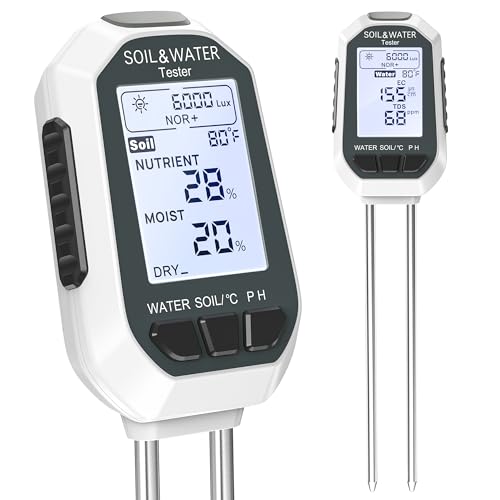
【7-in-1 Features】This is a 7-in-1 multi-function soil tester. Our soil tester quickly measures soil moisture, pH, temperature and light intensity, and its fertility function helps you take better care of your plants. With this device you can measure the soil moisture, pH, temperature and light intensity for your plants and with the EC and TDS functions you will know when it is time to water the soil.

Accurate Soil Moisture Detection: The XLUX Soil Moisture Meter can tell you if the soil deep inside your pot or garden is dry, moist or wet; whereas your eyes and fingers can only determine the moisture level of the soil surface. The probe is 5.5 inches (14 cm) longer than regular styles, allowing it to measure the soil moisture at the bottom of larger and deeper flower pots.

✅ 1Dial & 1 LCD Screen - Replace/install all 3 batteries each time. Put button to %RH/°F to - Turn On, and put to LIGHT to - Turn Off. Read the LCD results in 3-5 mins. (Not Water Moisture Meter, so, please don't test liquid)
Moderate Temperatures
Creating a balance with moderate temperatures is crucial for kiwi fruit growth. Kiwi plants thrive in regions where temperatures range between 50°F and 86°F. Consistent temperatures within this range promote healthy growth and fruit development. Extreme temperatures can stress the plants, affecting fruit set and overall productivity.
Ample Sunlight Exposure
Kiwi plants love sunlight, so ensure they receive full sun for a significant part of the day. A minimum of 6-8 hours of sunlight is ideal for optimal growth and fruit production. Adequate sunlight helps in photosynthesis, which is essential for the plant’s energy production and fruit formation.
Well-Draining Fertile Soil
Kiwi plants prefer well-draining, fertile soil to thrive. Plant them in soil that is rich in organic matter and nutrients. A pH level between 5.5 and 7.0 is suitable for kiwi cultivation. Proper soil drainage prevents waterlogging, which can lead to root rot and other issues detrimental to plant health.
Consistent Moisture Levels
Maintaining consistent moisture levels is key to successful kiwi fruit growth. Kiwi plants require regular watering, especially during hot and dry periods. The soil should be kept consistently moist but not waterlogged. Mulching around the base of the plant can help retain soil moisture and regulate temperature, promoting optimal growth conditions.
By following these guidelines and providing your kiwi plants with the ideal climate conditions of moderate temperatures, ample sunlight exposure, well-draining fertile soil, and consistent moisture levels, you can set the stage for a thriving kiwi fruit garden in your own backyard. With proper care and attention to these climate requirements, you’ll soon enjoy the fruits of your labor with a plentiful harvest of delicious kiwis.
Factors Affecting Kiwi Fruit Growth
To ensure successful kiwi fruit growth in your backyard, various factors play a crucial role in creating an optimal environment for these plants to thrive. Understanding these factors and how they influence the growth of kiwi fruit can help you cultivate a healthy and productive kiwi garden.
Recommended Products

Quick, at home results for Soil pH, Nitrogen, Phosphorous and Potash Innovative and inexpensive soil test kit features an easy-to-use capsule system and patented color comparators

KNOW BEFORE YOU GROW | Grow the healthiest, sustainable lawn and garden with the most accurate and easy to use professional soil test kit on the market

Kindly NOTE: This soil tester can not be applied to test pH value of any other liquid. If the soil is too dry the indicator will not move, and water it before testing.
Climate Conditions
- Temperature: Kiwi plants thrive in temperate climates with warm summers and mild winters. They prefer temperatures between 50-86°F (10-30°C) during the growing season.
- Sunlight: Kiwi plants require ample sunlight exposure to promote photosynthesis and fruit development. Ensure they receive at least 6-8 hours of sunlight daily.
- Rainfall: Adequate but not excessive rainfall is essential for kiwi plants. They require consistent moisture levels, especially during the flowering and fruiting stages.
- Wind Protection: Kiwi fruit plants are sensitive to strong winds, which can damage the vines and affect fruit production. Planting windbreaks or providing shelter can help protect the plants.
Soil Quality
- Acidity: Kiwi plants prefer slightly acidic soil with a pH level between 5.5 and 7.0. Test your soil and amend it if necessary to ensure optimal pH levels for kiwi fruit growth.
- Drainage: Well-draining fertile soil is essential for kiwi plants to prevent waterlogging, which can lead to root rot. Ensure proper soil drainage to maintain healthy root systems.
- Watering: Kiwi plants require regular watering, especially during dry periods. Ensure the soil is consistently moist but not waterlogged to support healthy growth.
- Fertilization: Provide appropriate fertilization to supply essential nutrients to the plants. Use a balanced fertilizer suited for fruit-bearing plants to promote robust growth.
By considering these factors and providing the ideal climate conditions, soil quality, and maintenance practices, you can create a conducive environment for growing flavorful kiwi fruit in your own backyard. Taking proactive steps to address these key factors will set the stage for a successful and bountiful kiwi harvest.
Best Practices for Growing Kiwi Fruit
To ensure successful growth of delicious kiwi fruit in your backyard, follow these best practices:
Recommended Products

Support for Tall Plant: This trellis kit provides 7.87” support for your tomatoes, peppers and more

🌑[Plant Growth Support]:Garden plant trellis are committed to helping your indoor for potted plants and adds to the natural beauty. As plants grow, the houseplant trellis takes the form of a ladder to help your plant climbing and growing.

Enhance Your Garden Setup: The Trim Daddy Trellis System Support Kit is the ideal solution for maximizing the potential of your raised garden bed. Designed to work seamlessly with industry-grade growing trays, our customizable kits provide essential support for your plants as they thrive.
Optimal Location Selection
Choose a sunny spot with good air circulation to plant your kiwi vines. Ensure it has wind protection as kiwi plants are sensitive to harsh winds.
Soil Preparation and Fertilization
Before planting, test the soil to ensure it’s well-draining, slightly acidic, and rich in nutrients. Fertilize your kiwi plants, especially in the early stages, using organic matter or balanced fertilizers.
Watering Schedule
Establish a regular watering schedule, especially during dry periods, to keep the soil consistently moist but not waterlogged. Kiwi plants need adequate moisture for healthy growth.
Pruning and Training
Prune your kiwi vines to remove overcrowded or damaged branches. Train them on a sturdy support structure like a trellis to promote proper growth and fruit development.
Pollination Assistance
Kiwi plants need cross-pollination between male and female vines for fruit production. Ensure you have both types in your garden or consider hand pollination to boost fruit yield.
Harvesting Timing
Harvest your kiwi fruit when they are firm but yield slightly to pressure. If left on the vine for too long, they might become overripe and lose their flavor.
Pest and Disease Control
Monitor your kiwi plants regularly for pests like aphids or diseases such as powdery mildew. Take prompt action using organic or chemical treatments to protect your plants.
Winter Protection
In colder climates, provide winter protection for your kiwi plants by mulching around the base and wrapping the vines with burlap to shield them from frost damage.
By adhering to these best practices, you can create an ideal environment for your kiwi plants to thrive, resulting in a bountiful harvest of flavorful fruits in your own backyard.
Conclusion
Incorporating the recommended practices outlined in this article can help you cultivate thriving kiwi plants in your own garden. By paying attention to factors like temperature, sunlight, soil quality, watering, and fertilization, you can create an optimal environment for your kiwi fruit to flourish. Remember to select a suitable location, provide proper care throughout the growth stages, and protect your plants during winter. Following these guidelines will not only ensure healthy growth but also lead to a bountiful harvest of delicious kiwi fruits that you can enjoy right from your backyard. Happy gardening and may your kiwi plants yield abundant and flavorful fruits for you to savor!
Frequently Asked Questions
What temperature is ideal for growing kiwi fruit?
For optimal growth, kiwi plants prefer a temperature range of 50-85°F (10-29°C).
How much sunlight do kiwi plants require?
Kiwi plants thrive in full sun exposure, needing at least 6-8 hours of sunlight daily.
What type of soil is best for growing kiwi fruit?
Well-draining, fertile soil with a slightly acidic pH level between 5.5-7.0 is ideal for kiwi plants.
How often should kiwi plants be watered?
Kiwi plants require regular watering, ensuring the soil remains consistently moist but not waterlogged.
Do kiwi plants need fertilization?
Yes, kiwi plants benefit from a balanced fertilizer application in spring and early summer to support healthy growth and fruit production.
When is the best time to harvest kiwi fruit?
Kiwi fruit should be harvested after reaching maturity, typically in late autumn or early winter, depending on the variety.
How can I protect kiwi plants from pests and diseases?
Implementing cultural practices like good hygiene, proper watering, and monitoring for issues can help prevent and control pests and diseases.
What winter protection measures are recommended for kiwi plants?
Providing adequate mulching and wind protection, along with pruning and securing vines, can help kiwi plants survive harsh winter conditions.
