

Ever wondered how to turn a single blackberry into a flourishing bounty of these juicy, dark gems right in your backyard? Picture this: you’re savoring the sweetness of freshly picked blackberries under the warm sun, knowing they came from your own garden. Intrigued? In this article, you’ll discover the simple yet rewarding process of growing blackberries from just one humble berry.
Imagine plucking ripe blackberries off vines that originated from a single fruit – it’s not only possible but easier than you think! By learning how to propagate blackberries from existing plants, you can enjoy an abundant supply for your pies, jams, or simply as a delightful snack. Ready to unlock the secrets of multiplying your blackberry harvest effortlessly? Let’s get started on this fruitful journey together.
Key Takeaways
- Understanding blackberry propagation methods like tip layering, root cuttings, and division is essential for successful growth.
- Propagating blackberries from existing plants ensures genetic purity, cost-efficiency, and proven performance.
- Proper preparation before planting blackberries includes choosing healthy plants and having necessary supplies ready.
- Following a step-by-step guide to growing blackberries from seeds involves planting carefully selected berries and caring for young plants diligently.
- Managing pests by inspecting regularly and preventing diseases through proper air circulation and pruning are crucial for plant health.
- Harvesting ripe blackberries gently, storing them properly, and using them in various ways can enhance your gardening experience.
Understanding Blackberry Propagation
When it comes to growing blackberries from blackberries, understanding the process of propagation is essential. Let’s delve into the different methods and reasons why using blackberries for propagation is advantageous.
Types of Blackberry Propagation Methods
- Tip Layering: This method involves bending a low-growing blackberry cane towards the ground and covering a section with soil, allowing it to develop roots while still attached to the parent plant.
- Root Cuttings: By taking root cuttings from established plants in late winter or early spring, you can grow new blackberry bushes that are genetically identical to the parent plant.
- Division: Dividing mature blackberry plants at their base during the dormant season enables you to create multiple plants from a single parent plant.
- Genetic Purity: Propagating blackberries from existing plants ensures genetic uniformity, preserving desirable traits such as fruit size and flavor.
- Cost-Efficiency: Growing new blackberry bushes from your existing plants eliminates the need to purchase additional nursery stock, saving you money in the long run.
- Proven Performance: Since your original blackberry plant thrived in its environment, propagating from it increases the likelihood of success with the new plants.
Understanding these propagation methods and advantages empowers you to expand your blackberry harvest with confidence.
Preparing for Planting
When growing blackberries from blackberries, preparing properly is key to successful cultivation. Here’s what you need to do before planting your blackberry bushes:
Choosing the Right Blackberries
To start, select blackberries from healthy, disease-free plants for propagation. Look for strong canes with no signs of pests or diseases. Opt for reputable nurseries or trusted sources when acquiring your blackberry plants.
Necessary Supplies and Conditions
Ensure you have the following supplies ready before planting your blackberries:
- High-quality potting mix
- Containers with good drainage
- Pruning shears
- Watering can or hose
- Sunlight exposure
- Adequate space for plant growth
Step-by-Step Guide to Growing Blackberries from Blackberries
Growing blackberries from blackberries can be a rewarding experience. Here’s a simple guide to help you through the process.
Recommended Products

[Value Seedling Starter Kits]: It includes:6*12 cells seedling trays and 6 grow lights. Which can provide lights and heat to the seedlings. There are 3 lights: white light, blue light, red light. It is suitable for starting seedlings that love lights. Such as: basil, rosemary, mint, herds, tomatoes, pepper shoots, strawberries, etc.

INDOOR SEED STARTING KIT: Complete growing set includes two 36-cell planting trays, one water reservoir tray, 72 super growing pellets, and a dome greenhouse cover. An easy and efficient way to start seeds indoors! Use to grow your favorite herbs, vegetables and flowers.
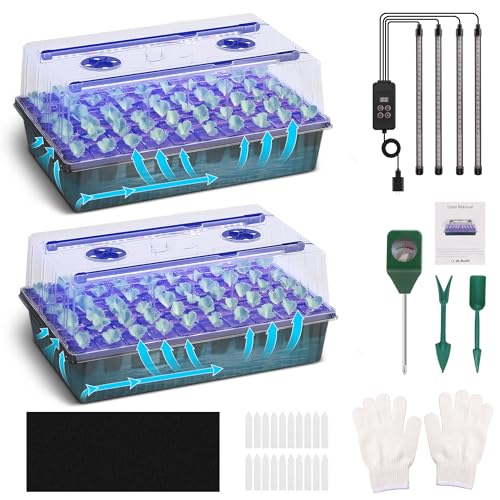
Advanced Grow Light with 1–24H Timer:Equipped with 56 high-efficiency LED beads per tray, simulating natural sunlight to promote faster and healthier seedling growth. The adjustable 1–24 hour timer allows precise control over lighting duration, catering to various plant stages.
Planting the Seeds
When planting blackberry seeds, start by selecting ripe and healthy berries. Extract the seeds carefully and wash off any pulp. Next, sow the seeds in a pot with well-draining soil, covering them lightly. Keep the soil consistently moist but not waterlogged. Place the pot in a sunny spot, ensuring adequate sunlight for germination.
Caring for Young Plants
Once your blackberry seeds sprout into seedlings, ensure they receive sufficient sunlight for healthy growth. Water them regularly, allowing the soil to dry out slightly between watering sessions to prevent root rot. As the plants grow, consider transplanting them into larger containers or your garden bed with proper spacing to promote optimal development.
Common Challenges and Solutions
When growing blackberries from blackberries, you may encounter some common challenges. Here are tips to help you manage pests and prevent diseases effectively.
Pest Management
To protect your blackberry plants from pests, regularly inspect the leaves and stems for any signs of infestation. If you notice pests such as aphids or spider mites, gently wash the plant with a mixture of water and mild soap to remove them. Encouraging natural predators like ladybugs can also help control pest populations in your garden. Additionally, applying organic insecticidal soap or neem oil can be effective against common blackberry pests.
Disease Prevention
Preventing diseases is crucial for the health of your blackberry plants. Ensure proper air circulation around the plants by spacing them adequately. Avoid overhead watering to reduce humidity levels that promote disease development. Prune any diseased or damaged canes promptly to prevent the spread of infections. Applying a fungicide labeled for blackberries can further protect your plants from fungal diseases like powdery mildew or rust.
By staying vigilant and implementing these pest management and disease prevention strategies, you can successfully grow healthy blackberry plants from blackberries in your garden.
Harvesting and Using Your Blackberries
When it comes to the rewarding experience of harvesting fresh blackberries from vines that originated from just one fruit, there are some best practices you should follow to ensure a bountiful yield and enjoy the fruits of your labor. Here are some tips on how to harvest and use your blackberries effectively.
Best Practices for Harvesting
- Timing is Key: Blackberries are at their best when they are fully ripe. Wait until the berries are uniformly black with a slight sheen before picking them. They should come off easily without any tugging.
- Gentle Handling: Handle the blackberries with care to prevent bruising or squishing them. Use shallow containers when harvesting to avoid crushing the delicate fruits.
- Frequent Harvests: Check your plants regularly during the peak season as blackberries ripen quickly. Harvest every few days to gather ripe berries promptly.
- Avoid Direct Sunlight: To maintain freshness, pick blackberries early in the morning or late in the evening when temperatures are cooler, reducing exposure to direct sunlight.
- Proper Storage: Store freshly picked blackberries in a single layer in shallow containers in the refrigerator’s crisper drawer for up to five days. Do not wash them until you’re ready to use them.
- Fresh Delights: Enjoy freshly picked blackberries on their own as a delicious snack or add them to salads for a burst of flavor.
- Smoothies and Juices: Blend blackberries into smoothies or juices for a refreshing drink packed with antioxidants and vitamins.
- Baking Bliss: Incorporate blackberries into pies, muffins, cobblers, or jams for sweet treats that showcase their natural sweetness.
- Savory Dishes: Pair blackberries with savory ingredients like goat cheese, balsamic vinegar, or grilled meats for unique flavor combinations.
- Preservation Methods: Freeze excess berries for later use in sauces, syrups, or desserts by spreading them on a baking sheet until frozen then transferring them to freezer-safe bags.
Conclusion
Growing blackberries from blackberries is a fulfilling journey that allows you to enjoy the fruits of your labor. By following the steps outlined in this article, you can create a bountiful supply of fresh blackberries for various culinary delights. Remember to provide your plants with the right conditions – sunlight, water, and care – to ensure their healthy growth. Dealing with pests and diseases may present challenges, but with vigilance and proper management techniques, you can protect your blackberry plants effectively. Harvesting your ripe blackberries and incorporating them into your favorite recipes will bring joy and satisfaction as you savor the delicious flavors they offer. Embrace the process of growing blackberries from blackberries as a rewarding experience that connects you to nature’s abundance. Enjoy every moment of nurturing your blackberry vines and relish in the sweet rewards they bring!
Frequently Asked Questions
How can I grow blackberries from a single berry in my backyard?
To grow blackberries from a single berry, extract seeds from ripe berries and plant them in well-draining soil with sunlight and moisture. Care for young plants by providing ample sunlight, proper watering to prevent root rot, and transplanting seedlings for optimal growth.
What are some common challenges in blackberry cultivation?
Common challenges include pest management by inspecting for infestations, using natural predators, and applying organic solutions. Disease prevention involves proper plant spacing, watering techniques, prompt pruning, and fungicide application against fungal diseases.
How can I effectively harvest and use blackberries?
Harvest ripe blackberries carefully to avoid damaging the fruit. Store them properly or enjoy them fresh in smoothies, baking, savory dishes, or preserve them by freezing for later use.
