

Have you ever noticed the distinct yellow leaves of ginkgo trees in the fall and wondered about their fruit? If you’re curious about when these unique trees produce their fruit, you’re not alone. Many people admire ginkgo trees for their beauty but aren’t sure when to expect their fruits to appear.
Key Takeaways
- Ginkgo trees are dioecious, with male trees producing pollen in spring and female trees bearing fruit in late summer to early fall (August to October).
- The fruit resembles small yellow-green berries and can emit a strong odor when ripe, commonly discouraging the planting of female ginkgo trees.
- Ginkgo trees typically take about 20 years to mature before they produce fruit, with several growth stages involved in their lifecycle.
- Factors such as climate, soil quality, tree age, and successful pollination significantly influence the timing and quantity of fruit production.
- Fruiting times may vary regionally; northern regions can see fruiting from late September to October, while southern regions may see it from late August to September.
- Ginkgo fruit is ecologically significant, providing food for wildlife and offering potential health benefits in traditional medicine and culinary uses, though caution is advised due to potential toxicity of unprepared seeds.
Overview of Ginkgo Trees
Ginkgo trees are unique, ancient plants known for their resilient nature and distinctive fan-shaped leaves. These deciduous trees thrive in various environments and can adapt to urban settings, making them popular choices for landscaping.
Ginkgo trees are classified as dioecious, meaning that they produce separate male and female plants. Male trees produce pollen in spring, while female trees bear fruit in late summer or early fall. The fruit resembles small, yellow-green berries and emits a strong odor when ripe. This often deters some from planting female ginkgo trees due to the smell.
Growth rates vary, but ginkgo trees generally reach maturity in about 20 years. During this time, you can expect to see stunning golden-yellow foliage in the fall, enhancing the tree’s aesthetic appeal.
If you’re considering adding a ginkgo tree to your landscape, think about location and gender. Planting a male tree can avoid the unpleasant odor of the female’s fruit, while still enjoying the tree’s spectacular fall colors.
Recommended Products

1. Grow Your Own Ginkgo Tree – Includes 10 premium Ginkgo biloba seeds for planting. Also known as Maidenhair Tree, this long-living ornamental tree is valued for its unique fan-shaped leaves and beautiful golden fall color.

Upright Architectural Growth – The Princeton Sentry Ginkgo is known for its tall, narrow, and columnar shape, making it ideal for lining streets, driveways, or smaller landscapes without taking up too much space.

UNIQUE FAN-SHAPED FOLIAGE: This variety is famous for its distinct, lush green leaves that resemble a maidenhair fern. These high-impact leaves add a splash of elegant texture to your yard during the spring and summer before transforming into a brilliant golden-yellow display in the autumn.
Ginkgo Tree Lifecycle
Ginkgo trees exhibit a well-defined lifecycle, showcasing distinct growth stages and a unique pollination process. Understanding these aspects can enhance your appreciation of this ancient species.
Recommended Products

Grow your own tree from seed!
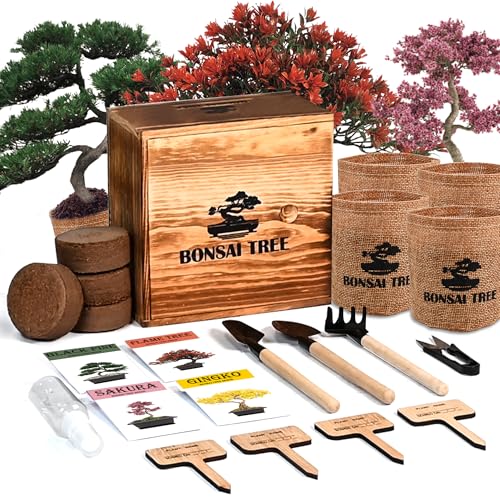
KIT INCLUDES: 4 types of bonsai tree seeds, 4 planter bags, 4 soil discs, 4 writable plant markers, 3 mini gardening tools, 1 bonsai pruner, 1 small water bottle, 1 planter box with cover and a gardening guide

Grow your own bonsai tree from seed!
Growth Stages
Ginkgo trees undergo several growth stages from germination to maturity:
- Germination: Seeds sprout in spring after temperatures warm, often taking 20 to 30 days.
- Sapling Phase: Young ginkgo trees emerge, establishing roots and leaves. This stage lasts about 5 to 10 years.
- Juvenile Stage: The trees reach a height of 6 to 10 feet and develop a more defined shape. This stage may last another 10 years.
- Maturity: After approximately 20 years, ginkgo trees reach full height and start producing flowers, with females eventually bearing fruit.
Pollination Process
Ginkgo trees follow a specific pollination process that begins in early spring:
- Male Trees: Male ginkgo trees produce pollen cones that release pollen into the air.
- Wind Pollination: Pollen travels by wind to female trees, which are often located nearby.
- Fertilization: Once pollen reaches the ovules in female trees, fertilization occurs, usually within a few weeks.
- Fruit Development: After successful fertilization, female trees produce fruit, which matures by late summer to early fall.
Understanding these growth phases and the pollination process helps clarify when you can expect ginkgo trees to produce fruit. Keep these details in mind when planning to plant or care for a ginkgo tree in your landscape.
What Time of Year Do Ginkgo Trees Produce Fruit?
Ginkgo trees produce fruit as summer transitions to fall. Typically, female ginkgo trees bear fruit from late summer through early fall, around August to October. This duration can vary depending on certain factors.
Factors Influencing Fruit Production
Several factors can impact the timing and quantity of ginkgo fruit production:
- Climate: Warmer climates generally lead to earlier fruiting. In cooler regions, fruit production might delay.
- Soil Quality: Nutrient-rich soil promotes better growth and fruiting. Consider regular soil tests to gauge nutrient levels.
- Tree Age and Health: Ginkgo trees typically need about 20 years to reach maturity and start producing fruit. A healthy tree produces more fruit.
- Pollination Success: Effective pollen transfer during early spring is crucial. A lack of male trees nearby can limit fruit development on female trees.
Regional Variations in Fruiting Times
Fruiting times can differ based on your location:
- Northern Regions: Ginkgo trees in cooler climates may produce fruit from late September to October.
- Southern Regions: In warmer areas, fruiting might occur from late August through September.
- Urban Areas: Heat islands in cities can slightly alter fruiting times. You might see earlier fruits in urban settings due to increased temperatures.
Understanding these aspects helps anticipate when your ginkgo trees will produce fruit, enhancing your gardening experience.
Importance of Ginkgo Fruit
Ginkgo fruit plays a vital role in the ecosystem and offers various benefits.
Ecological Significance
Ginkgo fruit provides food for wildlife, particularly in late summer and early fall. Birds and small mammals consume the fruit, helping in seed dispersal. This natural process allows ginkgo trees to propagate and thrive in various environments. Additionally, by supporting local wildlife, ginkgo trees contribute to biodiversity in their habitats.
Uses and Benefits
Ginkgo fruit possesses several uses and benefits for humans. In traditional medicine, ginkgo has been used for centuries, with preparations derived from its seeds believed to enhance cognitive function and support circulatory health. Some culinary practices incorporate ginkgo seeds in dishes, particularly in Asian cuisines. The seeds contain unique compounds that offer potential health benefits, like antioxidants. Always consult a healthcare professional before using ginkgo for medicinal purposes, as unprepared seeds can be toxic.
Conclusion
Ginkgo trees are truly remarkable plants that offer beauty and unique characteristics. Knowing when they produce fruit can help you plan your garden or landscape more effectively.
If you’re considering adding a ginkgo tree to your yard it’s good to keep in mind the timing of fruit production. From late summer to early fall you can expect those intriguing yellow-green berries to appear.
Whether you’re drawn to the stunning foliage or the ecological benefits these trees provide, you’re sure to enjoy the presence of a ginkgo in your space. Just remember to choose wisely between male and female trees based on your preferences. Happy planting!
Frequently Asked Questions
What is a ginkgo tree known for?
The ginkgo tree is famous for its stunning yellow leaves in the fall and its unique fan-shaped foliage. It is one of the oldest tree species and is resilient to environmental changes.
When do ginkgo trees produce fruit?
Ginkgo trees typically produce fruit from late summer to early fall, around August to October. The exact timing can vary based on climate, soil quality, and the tree’s location.
Are ginkgo trees male and female?
Yes, ginkgo trees are dioecious, meaning they have separate male and female trees. Male trees produce pollen in the spring, while female trees bear fruit in late summer to early fall.
How does ginkgo tree pollination occur?
Pollination occurs in early spring when male trees release pollen carried by the wind to female trees. This leads to fertilization and fruit development by late summer to early fall.
What does ginkgo fruit look like?
Ginkgo fruit resembles small, yellow-green berries and has a strong odor when ripe. This scent can often deter people from planting female ginkgo trees.
What are the benefits of ginkgo fruit for humans?
Ginkgo fruit has been historically used in traditional medicine to enhance cognitive function and support circulatory health. It is also used in various culinary practices, especially in Asian cuisines.
Is ginkgo fruit safe to eat?
While ginkgo fruit has benefits, the seeds can be toxic if unprepared. It’s advisable to consult with a healthcare professional before consuming ginkgo seeds or fruit.
