

Growing apple trees in Houston, TX requires careful attention to humidity and fungus management. High humidity levels can lead to fungal diseases that threaten your trees’ health and productivity. Proper techniques can mitigate these risks and promote robust growth.
Humidity’s Role in Apple Tree Fungal Issues
Houston’s climate features high humidity, which can create a breeding ground for fungal infections. Apple trees are particularly susceptible to diseases such as powdery mildew and apple scab. Recognizing the signs of these diseases early is crucial for effective management.
Monitoring humidity levels and maintaining good airflow around your trees can significantly reduce the risk of fungal growth. Implementing proper cultural practices is essential for healthy apple tree development.
Recommended Products

BROAD-SPECTRUM PLANT FUNGICIDE FOR GARDEN USE: Helps prevent and control powdery mildew, blight, leaf spot, black spot, and crown rot on houseplants, vegetables, and ornamentals. Food-grade citric acid formula works throughout the growing cycle. Safe for use on edible crops.

🌿 Controls Common Fungal & Bacterial Diseases Defend your plants from powdery mildew, botrytis, anthracnose, and more. Works on contact to stop foliar plant diseases before they spread.

MAXIMIZE YIELDS – This outdoor and indoor plant fungicide kills and prevents common plant pathogens, including powdery mildew, alternaria blight root rot, crown rot, and stem rot. When unavailable, use Earth’s Ally Disease Control, which provides the same proven fungicide protection.
Fungal Threats to Apple Trees in Humid Houston
In the humid climate of Houston, apple trees face unique challenges, particularly from fungal threats that can compromise their health and productivity. Understanding these risks is crucial for successful cultivation, as the warm and moist conditions create an ideal environment for various fungi. This section explores the specific fungal issues that apple trees encounter in this region and offers practical tips for management.
Fungal diseases can severely affect apple trees in humid conditions. Here are some common issues to watch for:
| Disease Name | Symptoms | Treatment Options |
|---|---|---|
| Powdery Mildew | White powdery spots on leaves | Apply fungicides or sulfur |
| Apple Scab | Dark, olive-green spots | Remove infected leaves, fungicides |
| Cedar Apple Rust | Orange spots, leaf drop | Remove cedar trees nearby, fungicides |
Identifying these diseases early can help you take appropriate action. Regular inspections and timely treatments are vital for maintaining tree health.
Optimal Watering Strategies for Houston’s Humidity
In Houston’s humid climate, effective watering strategies are crucial for the healthy growth of apple trees. Understanding how to balance moisture levels can prevent common issues like root rot and fungal diseases. This section outlines the best practices for watering to ensure your apple trees thrive in the unique conditions of the region.
Proper watering practices are essential in Houston’s humid climate. Overwatering can lead to root rot and promote fungal growth. Here are some effective techniques:
Water deeply but infrequently to encourage deep root growth.
Use drip irrigation to minimize water on leaves, reducing fungal risk.
Water in the morning to allow foliage to dry during the day.
Maintaining soil moisture without saturating the roots is key to preventing fungal diseases.
Enhancing Airflow for Houston Apple Trees
In Houston’s humid climate, enhancing airflow around apple trees is crucial for their health and productivity. Proper airflow helps reduce moisture buildup, which can lead to fungal diseases that threaten the trees. Implementing strategic practices can significantly improve the growing conditions for apple trees in this region.
Good airflow is crucial for reducing humidity around your apple trees. Here are some strategies to enhance airflow:
Space trees adequately when planting to allow for air circulation.
Prune trees regularly to remove crowded branches and improve light penetration.
Avoid planting in low-lying areas where moisture tends to accumulate.
Improving airflow can significantly decrease the likelihood of fungal infections.
Choose Resistant Apple Varieties
Selecting the right apple varieties is crucial for successful cultivation in Houston’s humid climate. Certain apple types are more resilient to fungal diseases, making them better suited for the region’s conditions. Understanding these resistant varieties can help ensure a healthier, more productive apple tree garden.
Selecting disease-resistant apple varieties can make a significant difference in managing fungal issues. Some varieties are bred specifically to withstand Houston’s humid conditions. Consider these options:
Enterprise: Resistant to apple scab and fire blight.
Liberty: Known for its resistance to multiple diseases.
Arkansas Black: Tolerant to humidity and has good disease resistance.
Choosing the right varieties can reduce the need for chemical treatments and enhance overall tree health.
Recommended Products
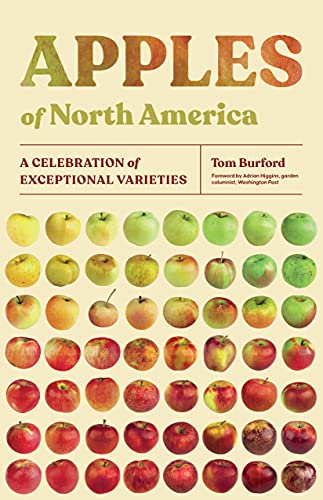

Live Fruit-Bearing Apple Tree – Grow your own crisp, tart Granny Smith apples right at home. This self-pollinating, high-yield apple tree produces firm, green apples perfect for fresh eating, baking, and cider-making

Fungal Infection Monitoring Schedule
Monitoring fungal infections is crucial for maintaining healthy apple trees in Houston’s humid climate. Regularly checking for signs of infection can help prevent widespread damage and ensure a fruitful harvest. This schedule outlines key times for inspections and recommended actions to protect your trees from fungal threats.
Consistent monitoring is essential for early detection of fungal diseases. Implement a routine check-up schedule for your apple trees. Here’s a simple plan:
Inspect trees weekly for any signs of fungal growth.
Apply fungicides as a preventive measure, especially during wet periods.
Remove infected leaves immediately to prevent spread.
Timely interventions can save your trees from severe damage.
Essential Practices for Houston Apple Tree Care
Caring for apple trees in Houston requires a tailored approach due to the region’s unique climate and humidity levels. Understanding the specific practices that promote healthy growth and mitigate fungal issues is essential for successful cultivation. This section outlines key strategies to ensure your apple trees thrive in the warm, humid environment of Texas.
Understanding the key factors in apple tree care can streamline your efforts. Here’s a comprehensive table summarizing essential practices:
| Factor | Best Practice | Frequency |
|---|---|---|
| Watering | Deep watering | Weekly |
| Pruning | Remove dead or crowded branches | Annually |
| Fungicide Application | Preventive treatment | Every 2-3 weeks |
| Disease Monitoring | Weekly inspections | Weekly |
Following these best practices can lead to healthier apple trees and a more fruitful harvest.
Recommended Products
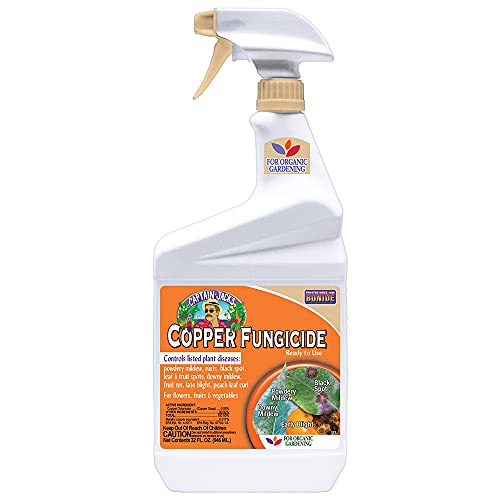
Control fungus and disease in your garden with Captain Jack’s ready-to-use Liquid Copper Fungicide!

Control diseases and insects in your garden with Captain Jack’s Fruit Tree Spray Concentrate! Use on a variety of listed fruits, nuts and citrus plants.

Control diseases and insects in your garden with Captain Jack’s Fruit Tree Spray Concentrate! Use on a variety of listed fruits, nuts and citrus plants.
Apple Tree Care Strategies for Houston Humidity
Caring for apple trees in Houston’s humid climate presents unique challenges, particularly concerning moisture management and disease prevention. Understanding effective strategies can help ensure healthy growth and fruit production. This section explores practical tips for maintaining apple trees in the face of high humidity and the risk of fungal infections.
Houston’s humidity presents challenges for apple tree cultivation. Implementing effective watering techniques, optimizing airflow, and choosing resistant varieties are crucial steps. Regular monitoring and timely treatments can help manage fungal diseases effectively.
